
Apple’s 2026 iPhone lineup emphasises matching hardware to user needs, with the iPhone 15 Pro Max leading in photographic capabilities and size, while offering practical options for different budgets and preferences.
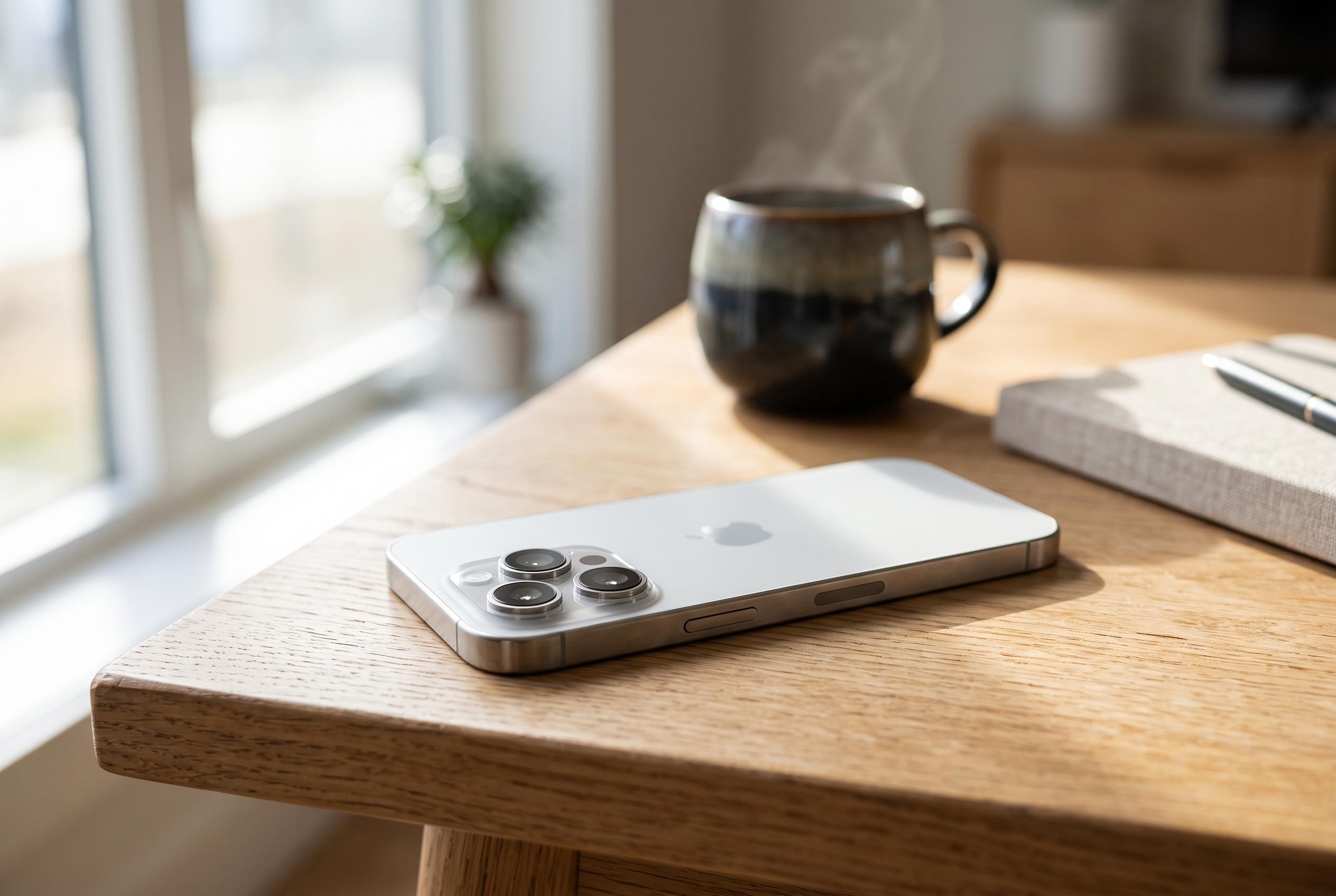
Apple’s iPhone camera line-up in 2026 is less about a single best handset than about matching hardware to use case. The iPhone 15 Pro Max remains the strongest all-round choice for serious mobile photographers, thanks to its 48MP main camera, large Super Retina XDR display and ProMotion support, while the iPhone 15 Pro offers much of the same imaging power in a smaller body. For buyers watching spend, the iPhone 14 still delivers dependable stills and video, even if it lacks the newer sensor and processing refinements.
Apple’s own specifications underline why the 15 Pro Max is the headline option. The company says the device has a 6.7-inch Super Retina XDR display with adaptive refresh rates up to 120Hz, 2,000 nits peak outdoor brightness, IP68 resistance and a 48MP camera system tuned for high-detail capture. In its launch material, Apple also said the A17 Pro chip brings a dedicated AV1 decoder and USB 3 support, improving video handling and transfer speeds for creators who move large files between devices.
That matters in practice because the best camera phone is not only about the sensor itself. A larger screen makes framing, reviewing and editing easier, especially when working with high-resolution images or video. The 15 Pro Max therefore suits users who value precision and presentation, but its size and weight will deter some buyers. The 15 Pro is the more practical premium option for those who want similar photography tools without carrying the largest model.
The standard iPhone 15 and iPhone 14 remain sensible alternatives for everyday photography. Both rely on Apple’s computational photography rather than headline-grabbing zoom hardware, but they still produce accurate colour, strong video and reliable results in mixed lighting. The trade-off is clear: cheaper models are easier to live with, but they cannot match the detail, flexibility or editing headroom of the Pro line. Renewed units can sharpen the value case further, although buyers must accept possible cosmetic wear and narrower warranty protection.
For most readers, the decision comes down to three questions: how much camera flexibility is needed, how large a phone is comfortable, and how much risk can be tolerated on price and condition. On that basis, the iPhone 15 Pro Max is the best choice for maximum photographic capability, the iPhone 15 Pro is the better balanced premium model, and the iPhone 14 remains a practical budget pick.
Disclaimer: This content is intended for informational purposes only. Readers are advised to exercise their own judgement, conduct due diligence, or consult a qualified expert before acting on any information provided.