

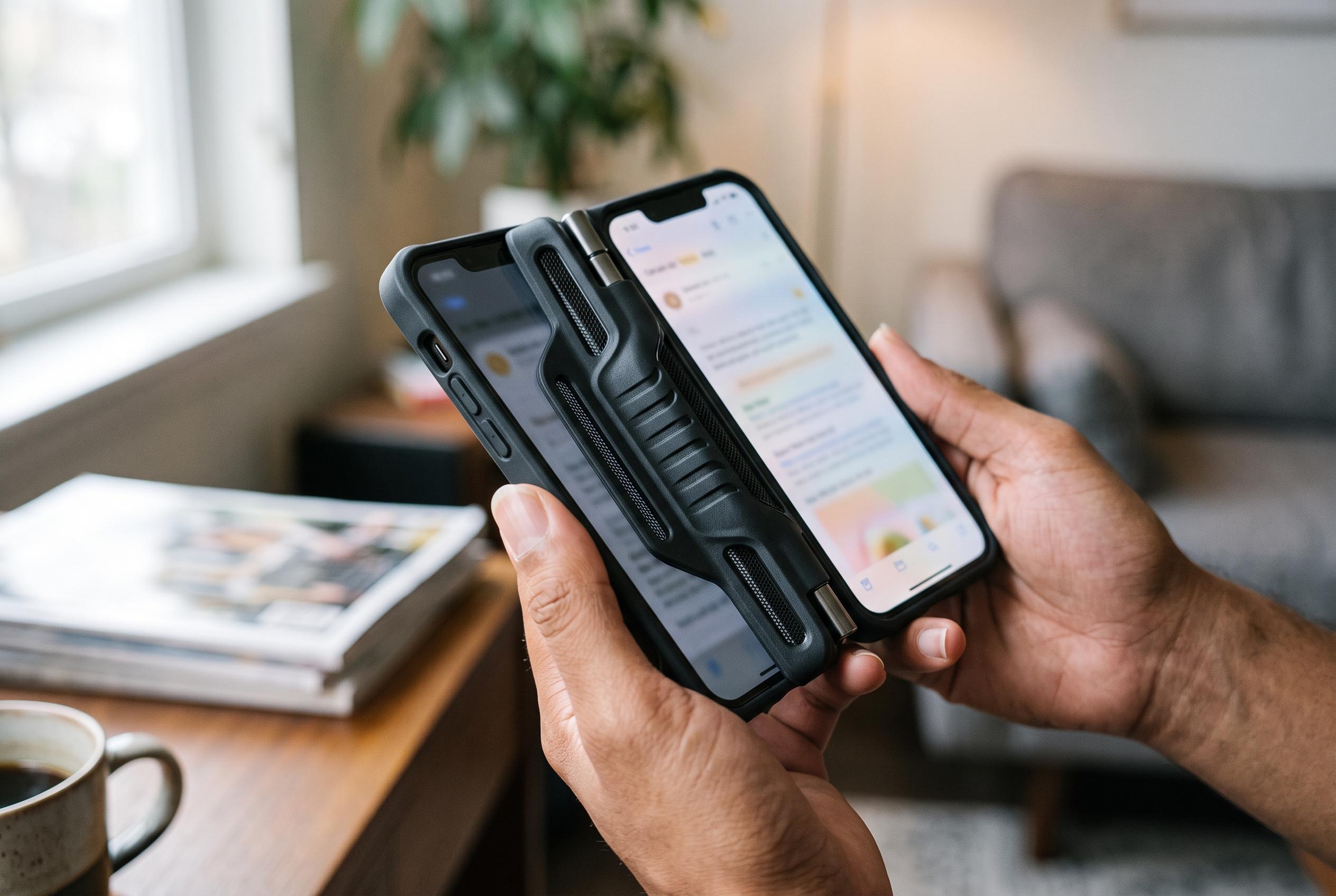

Apple’s hinge-based cooling system is putting new emphasis on case design, forcing iPhone Duo owners to balance joint protection, heat management, screen coverage and everyday bulk.
Apple’s iPhone Duo is already encouraging a different kind of case design, because the device’s folding hinge changes what protection really means. Tom’s Guide reported that Apple has built a cooling system through the hinge itself, using a flexible graphite pipe to move heat between the two halves, which underlines how central the hinge is to the phone’s structure. That makes case selection less about simple drop defence and more about preserving movement, heat management and access while still keeping the foldable form practical for daily use. The best examples in the current field, as outlined in the ranked guide, are the Mkeke Clear Case with Full Hinge Protection for overall balance, the SIXBOX for added storage and viewing support, and the TORRAS Q3 for users who want a more premium finish with a rotating stand.
The strongest pattern across the field is that hinge coverage has become a major selling point. The lead guide says several Mkeke, SUPFINE and FNTCASE models add a hinge guard, but that extra coverage can make a phone noticeably bulkier. That trade-off is echoed by other product descriptions: CoreXLB’s clear two-piece case uses separate front and back shells joined by protection along the hinge side, while keeping the folding action unobstructed. eBay’s listing for the Mkeke clear case also highlights full hinge coverage, dual rear camera cut-outs and a clear finish meant to preserve the phone’s original appearance. In practice, these designs show that buyers now have to choose between maximum coverage and a slimmer profile, rather than assuming a single case can do both perfectly.
Screen protection remains a separate decision from hinge defence, and that distinction matters. The guide stresses that a case can shield the folding joint while still leaving the displays exposed, or it can include a screen protector without fully enclosing the hinge. That is why the FNTCASE clear model, which includes a screen protector, appeals to buyers who want fewer separate accessories, while other options prioritise the outer shell and hinge structure instead. The lead article also notes that magnetic support is not the same as comprehensive protection: a case may work with chargers or wallets, but that does not guarantee coverage where the phone is most vulnerable. For owners who already use screen protection, compatibility checks are essential before adding more layers.
Practical features are becoming just as important as protection. The SIXBOX stands out because it combines a hinge guard, a stand and a card holder, which makes it more suitable for users who want a case to replace small everyday accessories. The FNTCASE rotating-stand version and the TORRAS Q3 also serve people who regularly watch videos or use their phones hands-free, but they do so with different balances of bulk and finish. Thinborne and PITAKA, by contrast, are aimed at readers who want the slimmest possible feel, even if that means giving up extras such as a stand or built-in storage. According to the lead guide, that is the central purchasing decision in this market: not which case is strongest in isolation, but which compromise fits the way the phone is actually carried and used.
Materials also shape the experience. Clear cases appeal to buyers who want to keep the Duo’s finish visible, and the guide highlights clear models that emphasise anti-yellowing materials and visibility as much as protection. Mkeke’s clear case is presented as a full-hinge option that remains transparent, while other cases use leather-style or aramid-fibre finishes to target users who care more about grip, texture or slimness than seeing the handset underneath. The result is a market that now splits into clear protective shells, feature-heavy utility cases and ultra-thin premium covers. For most buyers, the right choice will depend less on brand than on whether hinge coverage, stand use, card storage or minimal thickness matters most in everyday use.
Disclaimer: This content is intended for informational purposes only. Readers are advised to exercise their own judgement, conduct due diligence, or consult a qualified expert before acting on any information provided.



