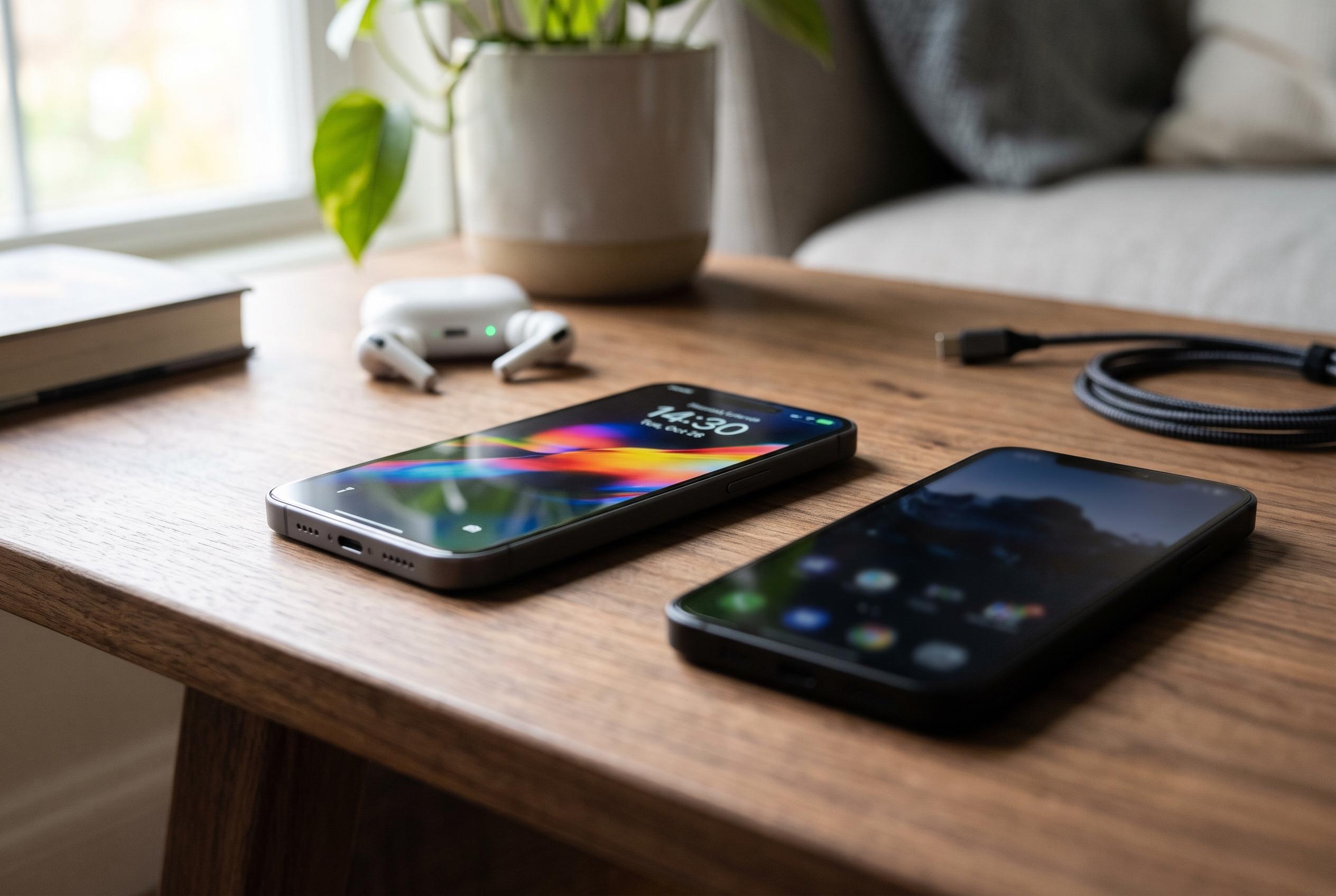

Motorola’s Edge offers a sharper display, larger battery and faster charging than Samsung’s Galaxy S26, but gives up performance, connectivity and long-term software support.
Motorola’s Edge is shaping up as one of the more convincing mainstream Android phones of the year, particularly for buyers who care about screen quality, battery life and charging speed rather than raw processing power. According to the comparison material, the handset is sold through AT&T and Verizon, while T-Mobile customers would need to buy an unlocked model directly from Motorola or a third party. In a direct specification match-up with Samsung’s Galaxy S26, the Edge is positioned as the cheaper device that still lands several clear advantages.
The most noticeable strengths are its display, battery and charging hardware. Both phones use 6.3-inch 120Hz AMOLED panels, but the Motorola screen is said to have a sharper 2640×1216 resolution. The Edge also carries a 5,000mAh battery, which is larger than the Galaxy S26’s 4,300mAh cell, and it supports 60W wired charging, comfortably ahead of Samsung’s 25W rating. On the imaging side, Motorola appears to have made aggressive choices for the price: the Edge is listed with three 50MP cameras, including the rear wide and ultra-wide units plus the front camera, while Samsung’s base model is described as having a more conventional triple-camera arrangement.
There are, however, important areas where Samsung remains well ahead. The Galaxy S26 is said to use either Qualcomm’s Snapdragon 8 Elite Gen 5 or Samsung’s Exynos 2600, both of which would place it far above the Edge’s MediaTek Dimensity 7450 in performance. It also comes with 12GB of RAM and at least 256GB of storage, compared with Motorola’s 8GB memory configuration. The Samsung model further supports USB 3.2 Gen 1 over USB-C, whereas Motorola is listed with USB 2.0. That difference matters for file transfer speeds and external connectivity, even if many users may never notice it in day-to-day use.
Software support may be the clearest long-term separator. Samsung is promising seven years of updates for the Galaxy S26, while Motorola’s support window is capped at three years in the material cited. That gap is significant for buyers who keep a phone for several upgrade cycles and want security patches and feature updates over the long run. Both devices also carry IP68 dust and water resistance and in-display fingerprint sensors, but the broader picture is one of compromise: Motorola appears to be offering the more balanced hardware package for the money, while Samsung is charging more for a faster chip, more memory, faster data connectivity and a much longer software commitment.
Disclaimer: This content is intended for informational purposes only. Readers are advised to exercise their own judgement, conduct due diligence, or consult a qualified expert before acting on any information provided.