
The latest Oura Ring 5 emphasises discreetness and comfort over new features, sparking a shift in the smart ring landscape as rivals challenge its premium design with lower prices and longer battery life.
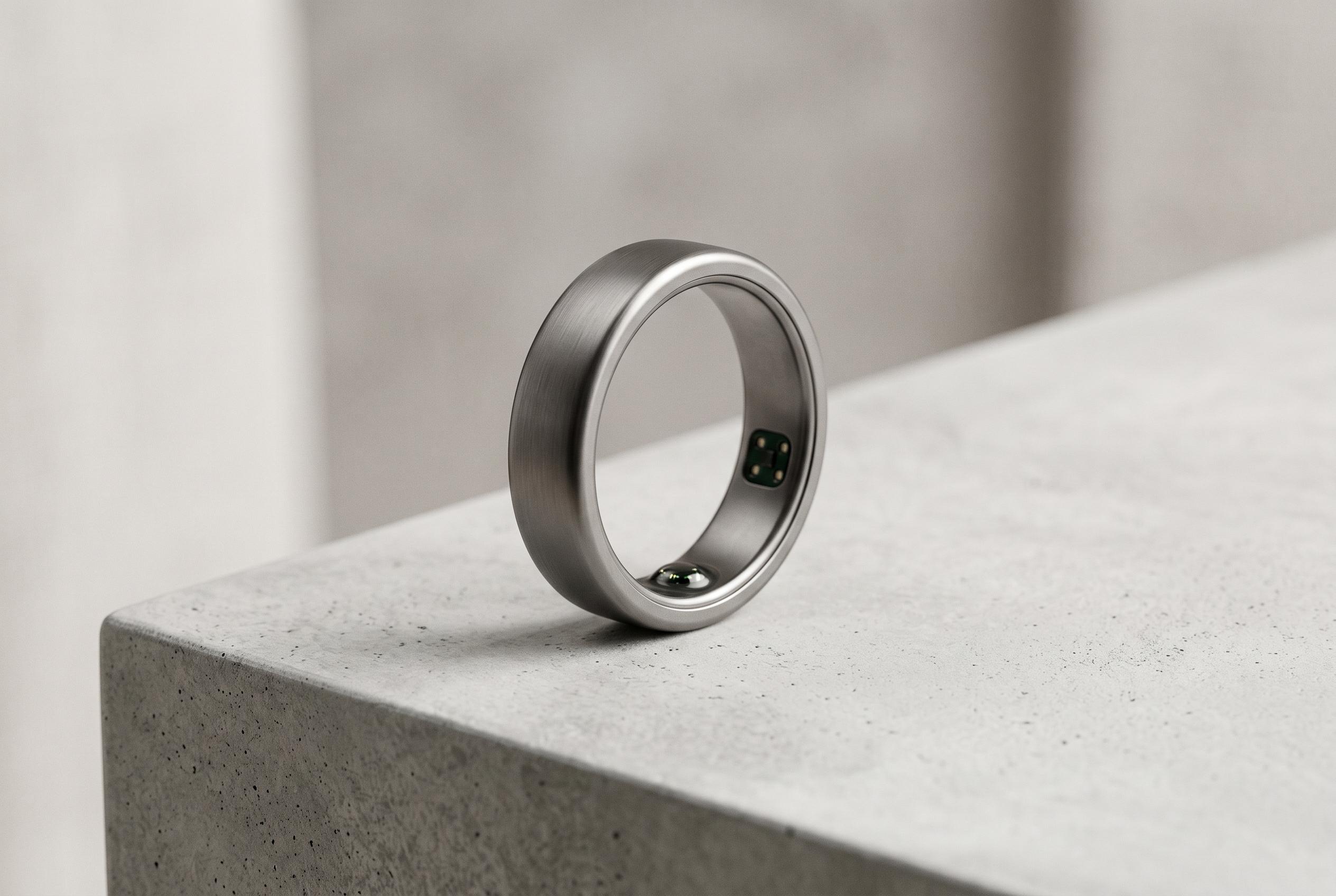
In a crowded smart ring market, the Oura Ring 5 stands out less because it adds a flood of new features than because it makes the category feel genuinely wearable. Reviewers at The Guardian, TechCrunch and Tom’s Guide all noted the same shift: the ring is about 40% smaller than its predecessor, and that reduction in bulk matters as much as any sensor upgrade. For people who have avoided wrist wearables because they interfere with sleep or daily comfort, that slimmer profile is the Oura’s defining advantage.
According to Oura’s launch details, the Ring 5 was unveiled on May 28, 2026 and went on sale from June 4, with blood pressure trend detection and overnight breathing analysis among the headline additions. Independent reviews have since described it as lighter, more discreet and easier to forget during sleep, while still delivering roughly a week of battery life. Tom’s Guide said the battery can stretch to about 9 days in some use cases, while other hands-on testing put real-world endurance at 6 to 9 days depending on activity and settings.
That combination of comfort and endurance is what gives the Oura its appeal. The ring is designed for passive, around-the-clock tracking, using photoplethysmography sensors, temperature readings and motion data to build a picture of sleep, recovery and daily strain. The practical value lies in how little it demands from the wearer. Unlike a smartwatch, it does not need nightly removal to sleep comfortably, and that makes the data more consistent over time.
The trade-off is cost. Oura still reserves its most advanced insights, including AI-driven guidance, behind a monthly membership after the first month. For some buyers, that is a worthwhile exchange for a polished app and broad third-party support. For others, the recurring fee remains the main reason to look elsewhere. In that sense, the Ring 5 is not just a hardware purchase but a subscription decision.
It is also the most mature option for people who care about cycle tracking and broader wellness use. The ring’s temperature trends and sleep analytics are especially relevant for users monitoring recovery, fertility or hormonal changes, and the latest design improvements make it easier to wear consistently enough for those patterns to emerge. That continuity is often more important than any single reading.
The bigger story, though, is that the smart ring category is becoming more segmented. Oura still sets the standard for polish and comfort, but newer rivals are pressuring it on price, battery life and subscription terms. The Ring 5 may be the best all-round choice for readers who want the most refined experience, yet its value depends on whether they are willing to pay for that refinement every month.
Disclaimer: This content is intended for informational purposes only. Readers are advised to exercise their own judgement, conduct due diligence, or consult a qualified expert before acting on any information provided.