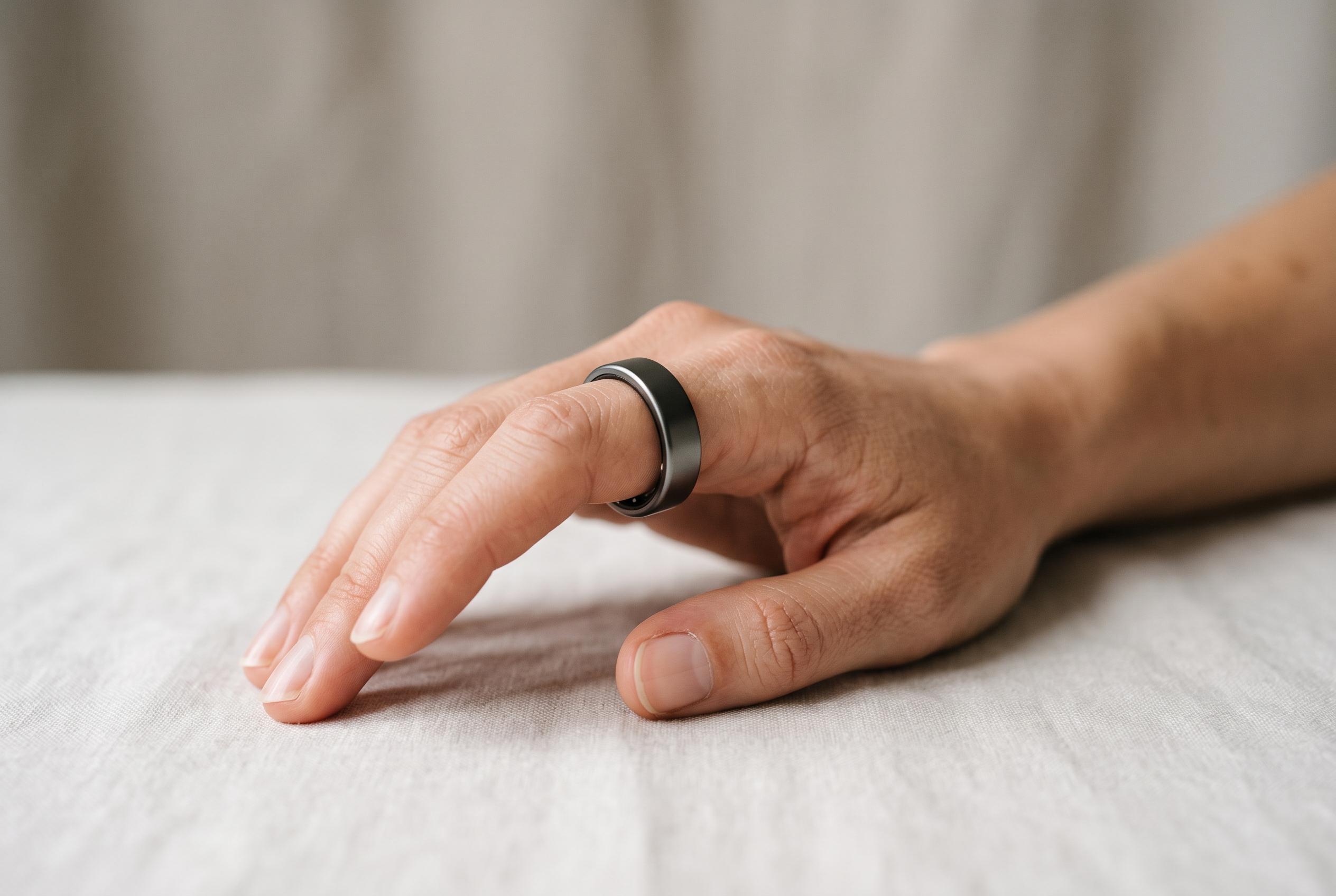

A 2024 study highlights the Oura Ring Generation 3’s superior ability among consumer wearables to measure deep sleep with clinical backing, surpassing competitors like Apple Watch and Fitbit, though still not a substitute for medical assessment.
Among consumer wearables, the Oura Ring Generation 3 appears to be the strongest option for tracking deep sleep with the best clinical backing. A 2024 study in Sleep Medicine, using multi-night ambulatory polysomnography as the reference standard, found good agreement with PSG across global sleep measures and sleep time in light and deep sleep. The device posted overall wake-sleep accuracy of 91.7% to 91.8%, with sleep-stage accuracy varying by stage and deep sleep among the areas where it remained comparatively strong.
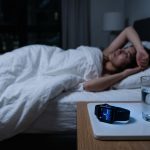
That matters because deep sleep, or stage N3 slow-wave sleep, is the hardest stage for consumer devices to measure. Wearables do not read brain activity directly. Instead, they infer sleep stages from movement, heart rate and heart rate variability, usually through optical sensors on the wrist or finger. That method works reasonably well for telling sleep from wakefulness, but it is less reliable for separating deep sleep from light sleep or quiet wakefulness.
The Oura Ring has a practical advantage in that respect. Its finger-based sensor placement tends to produce cleaner optical signals than a wrist-worn device, and the ring is less likely to shift overnight. Independent comparisons cited in the supplied material also suggest it outperforms the Apple Watch and Fitbit in four-stage sleep classification. While it still falls short of medical-grade EEG-based polysomnography, it is the closest mainstream consumer device to a clinically validated sleep-stage tracker.
Apple’s Watch remains a strong all-round smartwatch, but not the most precise deep-sleep instrument. It is widely regarded as reliable for total sleep duration and for distinguishing sleep from wake, yet its stage-by-stage classification is less consistent than Oura’s. WHOOP, meanwhile, is designed more around recovery and training load than pure sleep staging, while Fitbit and Garmin can provide useful baseline data but do not match the same level of agreement with PSG in the sources reviewed.
The wider point is that deep sleep figures from any consumer wearable should be treated as estimates, not diagnoses. A healthy adult’s deep sleep need is variable and changes with age, and experts quoted in the supplied material warn against overreacting to one night’s reading. For people worried about persistent fatigue, excessive daytime sleepiness or symptoms of sleep apnoea, the right next step is clinical assessment, not more screen time spent comparing readiness scores.
Disclaimer: This content is intended for informational purposes only. Readers are advised to exercise their own judgement, conduct due diligence, or consult a qualified expert before acting on any information provided.