
RingConn unveils its third-generation smart ring, refining its core health tracking features, adding vascular health trend tracking, and boasting up to 14 days of battery life, appealing to health-conscious users seeking a subscription-free device.
RingConn’s third-generation smart ring is not a dramatic reinvention, but it is a careful refinement of a product line that already had a clear appeal. TechRadar’s review says the Gen 3 keeps the brand’s core formula intact: broad health tracking, long battery life and no subscription fee. That combination remains the main reason the ring stands out in a market where recurring charges are increasingly common. Gizmochina reported at launch that RingConn positioned the device as a premium but fee-free alternative, and that remains the defining part of its pitch.
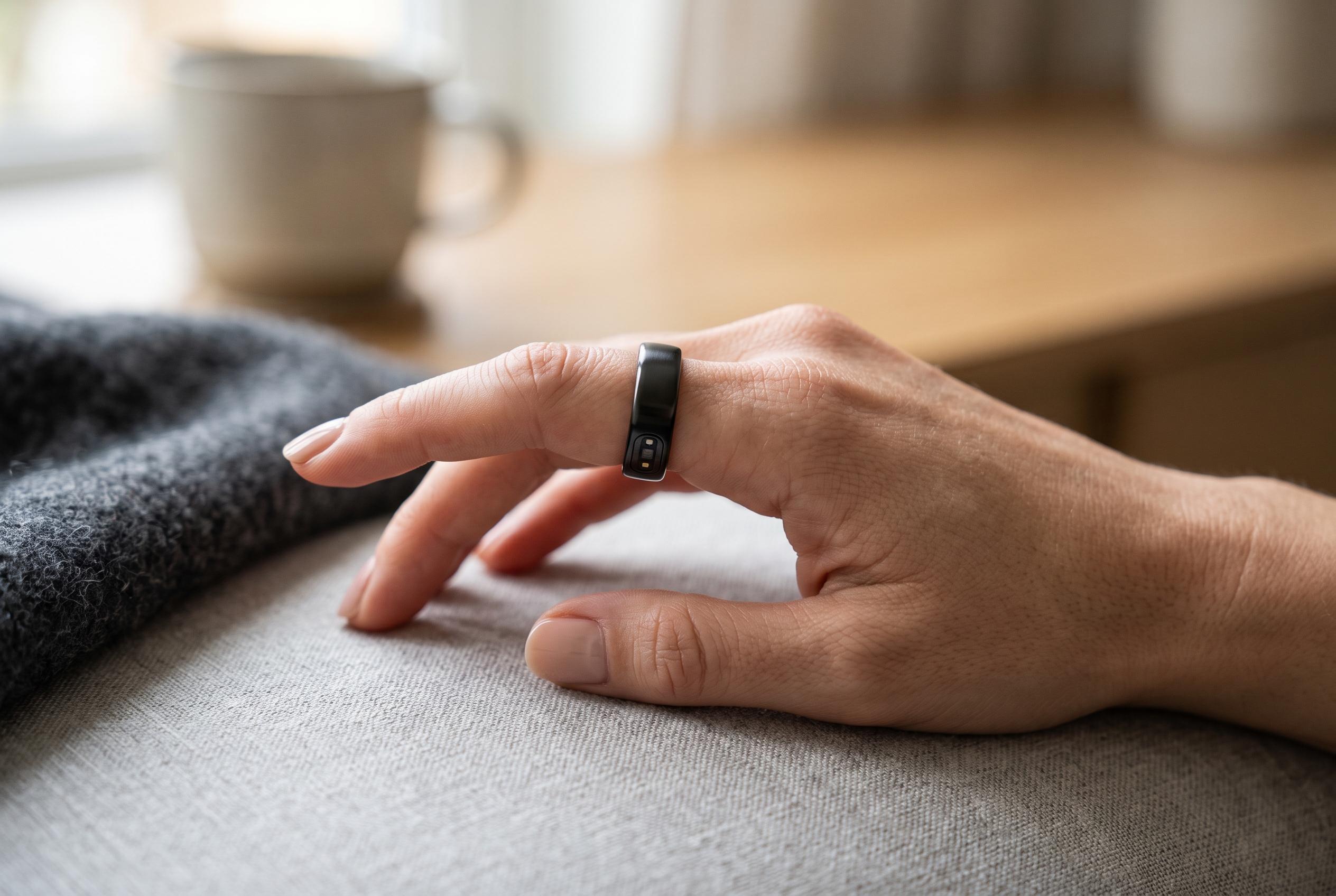
The hardware is only modestly changed, but the details matter. RingConn’s official blog says the Gen 3 is 2.3mm thick, weighs 2.5g to 3.5g depending on size and now comes in sizes 6 to 15, with new brushed silver and brushed rose gold finishes joining the existing options. TechRadar found the titanium ring comfortable enough for day-and-night wear and noted that its slightly squared profile helps it look less generic than many rivals. Wareable and Tech Advisor have also previously praised RingConn’s comfort and styling, which reinforces the impression that the brand knows this is a device people will wear all day, not just during workouts.
Feature-wise, the Gen 3 adds a vibration motor for gentle alerts, inactivity reminders and low-battery warnings. It also expands RingConn’s cardiovascular focus with vascular health trend tracking, which the company says is based on overnight vascular load data and external blood pressure readings entered manually from a cuff. TechRadar said the feature is not a blood pressure monitor in the strict sense, despite some confusing wording in the app. That is an important distinction. The ring is not replacing medical equipment, but trying to identify patterns over time. Sleep apnoea monitoring remains one of the more notable extras, and Smart Ring HQ singled out both that function and the new vibration system as meaningful differentiators.
The app experience is where RingConn still trails the most polished rivals. TechRadar said the interface is clean and easy to use, but not as refined as Oura’s. Even so, the reviewer found the data presentation sensible, with clear sleep, stress and recovery sections that make it easy to spot trends. Sleep tracking appears to be a particular strength. TechRadar’s testing found that the ring handled irregular sleep patterns well and produced broadly similar results to a Whoop 5.0, including close overnight heart-rate and sleep-stage readings. That aligns with earlier reviews from Tech Advisor and Wareable, both of which highlighted strong sleep performance and excellent battery life.
Battery life remains the RingConn Gen 3’s strongest practical advantage. RingConn says the ring lasts up to 14 days, and TechRadar’s test unit ran for nearly 12.5 days with the new features enabled. That is longer than many of its best-known rivals, including Oura and Samsung’s smart ring offerings. The result is a device that is not the cheapest, not the most advanced and not the most polished, but is arguably one of the easiest to live with. For buyers who want serious health tracking without monthly fees, that makes the Gen 3 a very persuasive option.
Disclaimer: This content is intended for informational purposes only. Readers are advised to exercise their own judgement, conduct due diligence, or consult a qualified expert before acting on any information provided.