
In a 10-kilometre outdoor run test, the Samsung Galaxy Watch Ultra 2 proved to be the more convincing sports watch, boasting a brighter screen and superior haptic feedback, though the Apple Watch Ultra 2 still holds an edge in usability with its Digital Crown.
After a 10-kilometre run with both devices strapped on, the Samsung Galaxy Watch Ultra 2 emerged as the more convincing sports watch for outdoor exercise, though not the more complete package overall. Tom’s Guide found that the two premium wearables are closely matched on core tracking features, including rugged cases, dual-frequency GPS and quick-start buttons, but Samsung’s model made a stronger first impression in use, especially on the wrist during sustained activity. The result was not a scientific verdict from one outing, but a useful comparison of how each watch behaves when pace, sweat and repeated glances to the display matter most.
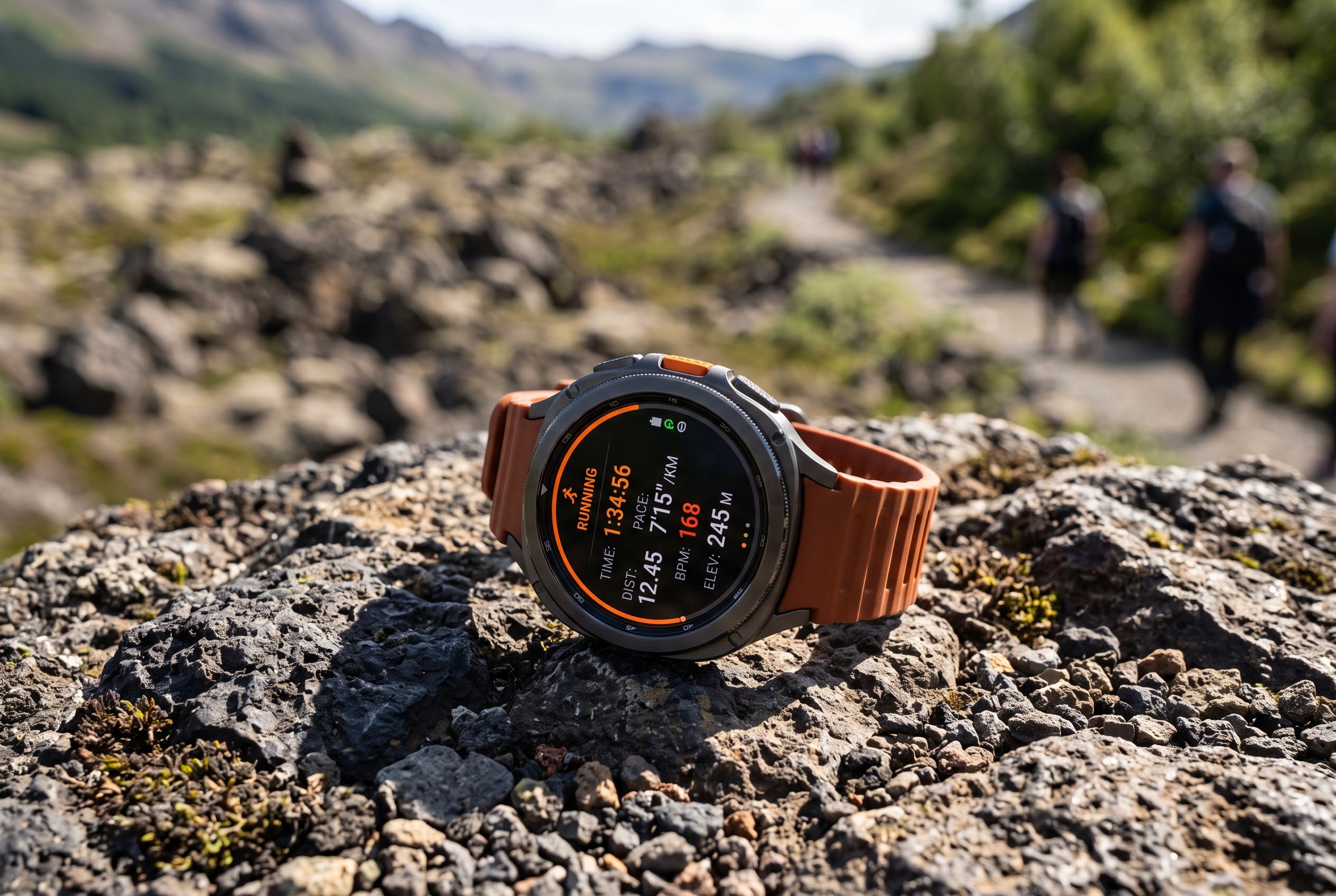
The clearest advantage was the screen. Samsung equips the Galaxy Watch Ultra 2 with a 1.52-inch Super AMOLED panel rated at up to 5,000 nits, which made it notably easier to read in changing outdoor light than the Apple Watch Ultra 2’s 3,000-nit LTPO OLED display. Tom’s Guide said Samsung also presents workout data in a cleaner, larger format, which makes the information faster to absorb at a glance. Samsung positions the watch as a rugged outdoor model, with titanium construction, MIL-STD-810H certification, water resistance to 130 feet and a larger battery, all of which reinforce its endurance focus.
Haptics were another area where Samsung seemed to pull ahead. The stronger vibration feedback made kilometre alerts more noticeable, and the watch could also read out pace and splits through its speaker without requiring the wearer to look down. That matters more on longer runs, where subtle alerts can be missed and glance-free interaction becomes valuable. Tom’s Guide also preferred the bundled Marine Band, saying the slimmer strap sat more securely and stayed more comfortable as sweat built up. Samsung says the updated band is lighter than the original and uses its Dynamic Lug attachment system, which means it can also fit the first-generation Galaxy Watch Ultra.
Apple still had one clear ergonomic advantage: the Digital Crown. For runners wearing gloves or coping with cold, wet conditions, the physical wheel remains easier to use than Samsung’s touch-based bezel control, even with vibration prompts. That practical edge matters because the Galaxy Watch Ultra 2 is otherwise a strong rival, with Tom’s Guide also pointing to its price advantage at launch and Samsung’s broader watch specifications suggesting a product designed to compete on endurance, brightness and usable design rather than on software familiarity alone. For anyone choosing between the two, the decision now looks less about raw fitness tracking and more about which control scheme, display and strap feel best during real exercise.
Disclaimer: This content is intended for informational purposes only. Readers are advised to exercise their own judgement, conduct due diligence, or consult a qualified expert before acting on any information provided.