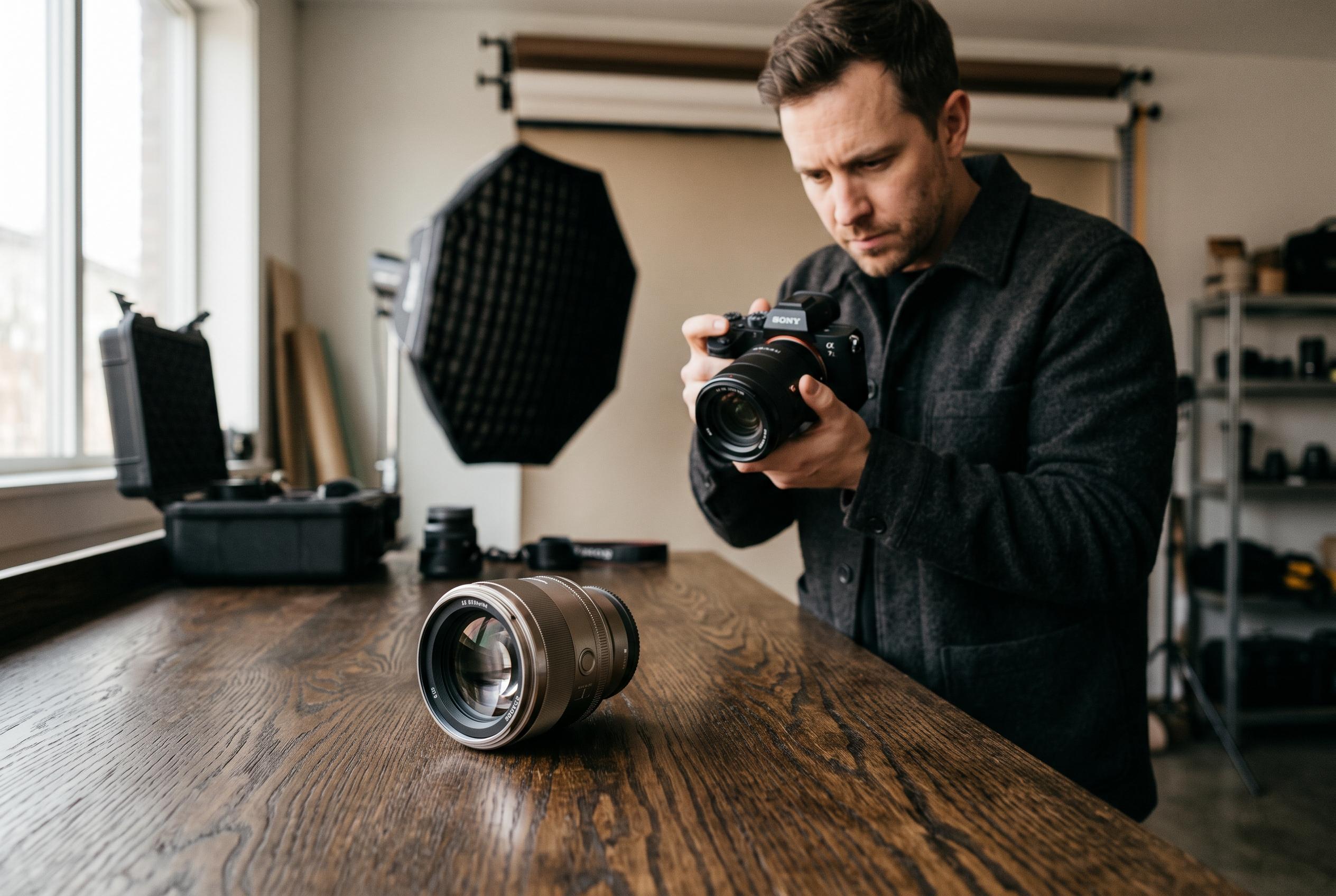

The Sony FE 85mm f/1.8 offers a lighter, more affordable alternative to the renowned G Master, sparking discussions on practicality versus characteristic rendering among photographers and competing brands.
Sony’s FE 85mm f/1.4 G Master has always divided opinion because it is so deliberately clinical. The lens can produce beautiful portrait work, but it asks the photographer to do more of the creative shaping in post-production and in camera. That character has long set it apart from more immediately flattering alternatives, and it helps explain why many shooters moved towards Sony’s smaller 85mm f/1.8 instead.
For photographers who want a lighter and cheaper option, the FE 85mm f/1.8 has earned a strong reputation. Cameralabs described it as compact and lightweight, with good image quality that improves further when stopped down, although it can show chromatic aberration and some flare in harsh backlight. Digital Camera World was similarly positive, praising its sharpness, weather-sealed construction and overall value. The Digital Picture also judged it a solid portrait lens, while ePHOTOzine highlighted its handling and suitability for both full-frame and APS-C E-mount cameras.
That practical appeal sits behind the wider argument. The original G Master may still produce excellent results, but many photographers seem willing to trade maximum aperture and prestige optics for a lens that is easier to carry and less expensive to buy. In real use, the differences can be subtle unless images are compared side by side, which is why the 85mm f/1.8 remains such an obvious choice for many Sony users.
Even so, alternatives from other brands continue to shape expectations. The Viltrox 85mm f/1.4, the Zeiss Batis 85mm f/1.8 and older third-party designs such as Tamron’s 85mm f/1.8 for Canon EF and Nikon F all show that personality is not exclusive to Sony’s own glass. The broader complaint, and the article’s central point, is that Sony has often favoured neutral rendering over distinctive character. For photographers who want an 85mm lens with more warmth and less polish, that remains the real debate.
Disclaimer: This content is intended for informational purposes only. Readers are advised to exercise their own judgement, conduct due diligence, or consult a qualified expert before acting on any information provided.