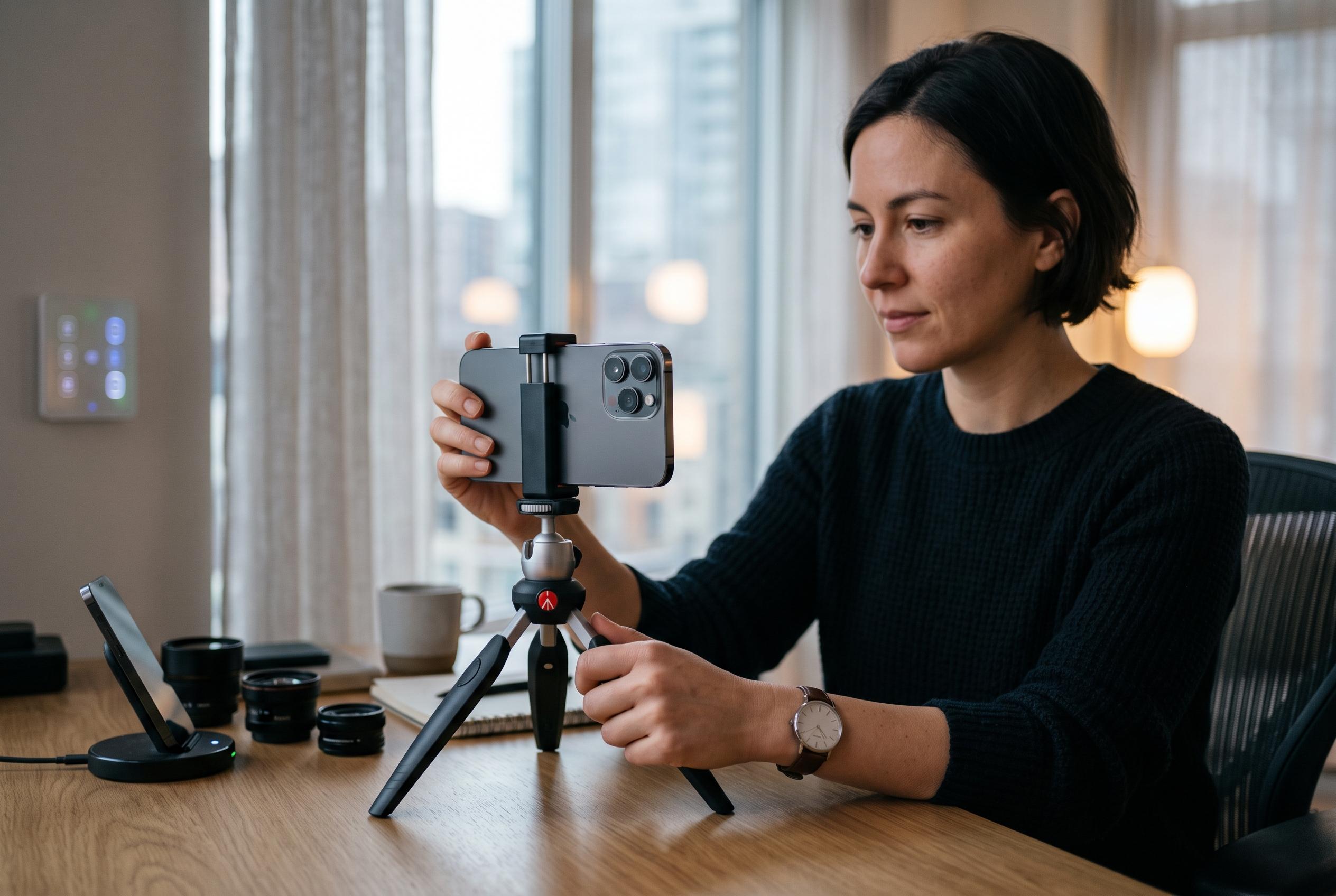

By late 2026, flagship smartphones like Samsung’s Galaxy S26 Ultra, Google’s Pixel 11 Pro, Apple’s iPhone 18 Pro, and OPPO’s Find X9 Pro distinguish themselves through advanced AI features, customised photography experiences, and specialised hardware, redefining the landscape of mobile imaging.
By late 2026, the debate over the best camera phone has moved well beyond megapixels. The leading devices now compete on computational photography, scene recognition, portrait handling and the quality of on-device AI. Among the current flagship options, Samsung’s Galaxy S26 Ultra, Google’s Pixel 11 Pro, Apple’s iPhone 18 Pro and OPPO’s Find X9 Pro each target a different kind of user, with hardware and software tuned for distinct shooting styles.
According to Tom’s Guide, the iPhone 18 Pro Max remains one of the strongest all-round smartphones, while the Galaxy S26 Ultra is widely treated as the best camera-focused Android handset. TechRadar’s hands-on comparison of the iPhone 18 Pro and Galaxy S26 Ultra found that Apple’s device leans towards more natural colour rendering and reliable results across lighting conditions, whereas Samsung pushes a more vivid, stylised look and offers stronger zoom performance. The same comparison noted that the Galaxy’s camera system includes a 5x optical zoom and an additional 3x telephoto lens, giving it more flexibility for distant subjects.
Samsung’s newest Ultra model is also the most obviously aggressive on paper. Tech sources including PhoneArena and SamMobile say the phone uses a 200MP main camera, a wider f/1.4 aperture and improved low-light performance, while its video tools include 10-bit HDR recording, stabilisation across all cameras and real-time AI processing for 4K footage. SamMobile also reported that the front camera has a wider field of view and that the upgraded processing aims to improve skin tones and texture handling in indoor lighting. For buyers who want one device that can handle almost any photographic situation, that combination makes the S26 Ultra difficult to ignore.
Google’s Pixel 11 Pro follows a different philosophy. Rather than relying on the most extreme sensor specification, it puts more weight on software and Google’s Gemini integration. The company says the Pixel 11 series uses the Tensor G6 chip, a 50MP wide camera and an upgraded ultrawide unit, with deeper Gemini support built into the system. In practical terms, that should appeal to users who want a phone that can deliver polished images with minimal manual intervention. The Pixel line has long been associated with strong computational photography, and this generation continues that approach with an emphasis on convenience, portrait work and night photography.
Apple’s iPhone 18 Pro and Pro Max remain the clearest choice for video-first buyers. TechRadar reported that the iPhone 18 Pro uses a variable aperture on its main camera and produces especially consistent results in both bright and low light. It also highlighted strong selfie performance and colour reproduction that looks more restrained and realistic than Samsung’s output. That makes Apple’s flagship attractive to creators who value dependable skin tones, stable video and a more natural final image. OPPO’s Find X9 Pro, meanwhile, is positioned as the specialist’s option, with its Hasselblad partnership and a 200MP telephoto camera aimed at portrait and zoom users who prefer a more expressive, high-contrast finish.
For most buyers, the right choice depends on what they photograph most often. The Galaxy S26 Ultra suits those who want the broadest camera toolkit and the most assertive zoom system. The Pixel 11 Pro is better for users who want AI to do more of the work. The iPhone 18 Pro remains the safest choice for video and colour consistency, while the Find X9 Pro offers a more artistic approach to portraits and distance shots. In a market where AI now shapes image quality as much as optics do, the best camera phone is increasingly the one that matches the user’s preferred style rather than the one with the largest sensor on the spec sheet.
Disclaimer: This content is intended for informational purposes only. Readers are advised to exercise their own judgement, conduct due diligence, or consult a qualified expert before acting on any information provided.