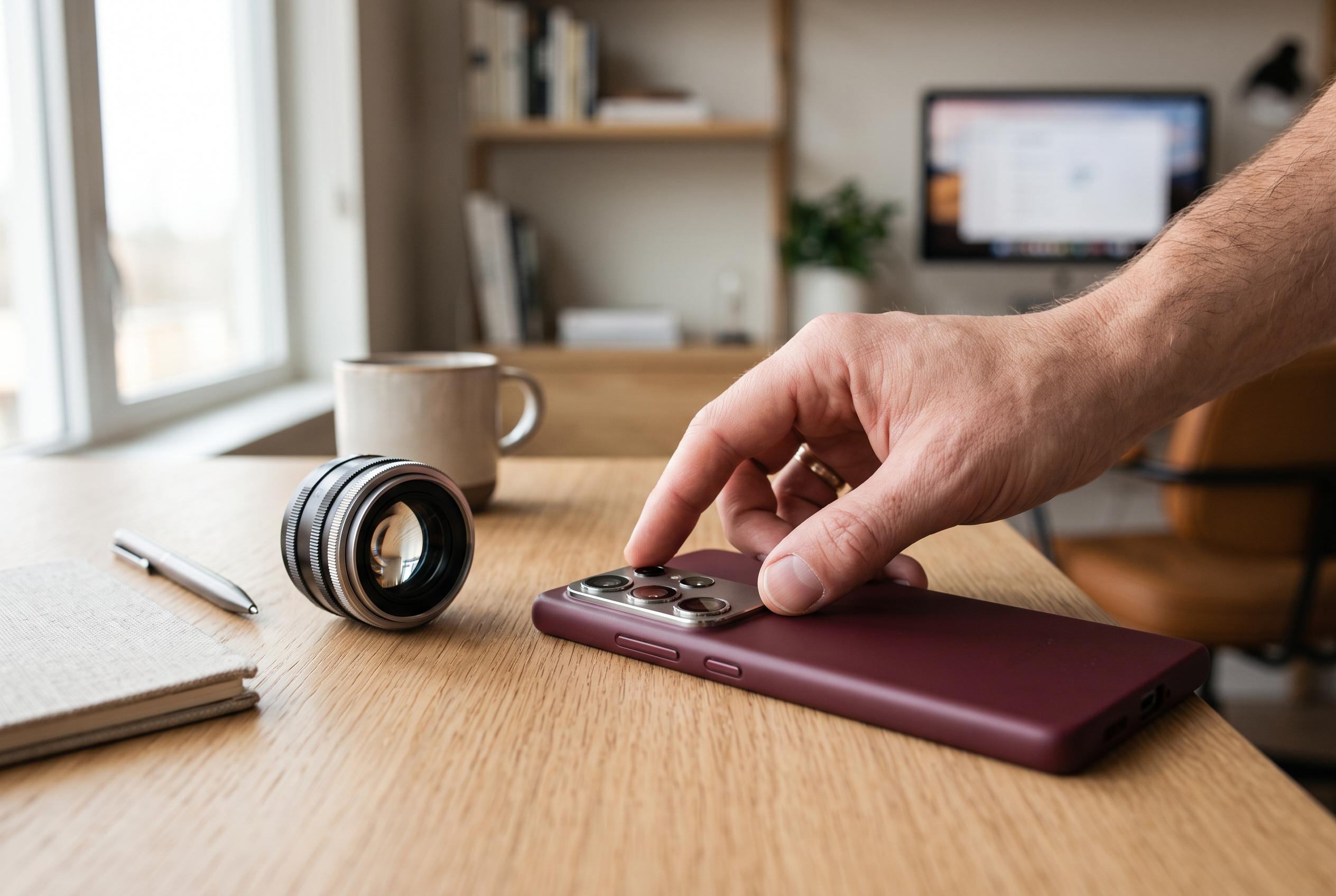

After a week with the Burgundy 6.3-inch iPhone 18 Pro, reviews highlight a model that refines the familiar with a new variable-aperture camera, improved performance, and modest design tweaks , but without dramatic leaps from its predecessor.
After a week with the Burgundy 6.3-inch iPhone 18 Pro, the clearest conclusion is that Apple has refined rather than reinvented its smaller flagship. The new model introduces the A20 Pro chip, a variable-aperture 48-megapixel main camera, a smaller Dynamic Island, a larger vapour chamber, the C2 modem and a series of modest design adjustments. Yet, as the hands-on review on Technology in Business suggests, the experience is less about a dramatic leap and more about a carefully judged polish of the iPhone 17 Pro formula. For owners of a 17 Pro, that makes the upgrade harder to justify unless photography or performance under sustained load matters a great deal. Paragraph 1: [1], [5]
The camera system is the most significant change. TechRadar reported that the variable aperture on the main lens ranges from ƒ/1.48 to ƒ/4.0, giving users real physical control over depth of field rather than relying on software simulation. In early tests, that translated into more natural background blur and cleaner subject separation, particularly at wider settings. Tom’s Guide added that the feature brings clear creative benefits, but it also introduces moving parts and, therefore, a new repair risk if the aperture mechanism fails. In practice, the new setup appears to be Apple’s most meaningful photographic shift in years, even if it comes with added complexity. Paragraph 2: [3], [4], [5]
Performance and thermals also appear to have improved, although not always in ways that are obvious in everyday use. Tom’s Guide said the A20 Pro is Apple’s first 2-nanometre smartphone processor, and that the revised thermal design helps sustain higher performance for longer workloads. Its teardown also found that the chip had been repositioned to aid heat management, alongside a much larger vapour chamber. The same report noted, however, that the US eSIM version still uses a Qualcomm modem rather than Apple’s C2 chip. That detail matters because it suggests Apple’s platform transition is not entirely uniform across markets. Paragraph 3: [4], [5]
Battery life has improved, but the gains are measured rather than dramatic. Tom’s Guide’s teardown and testing indicated a North American iPhone 18 Pro battery capacity of 4,288mAh, only slightly above the iPhone 17 Pro’s 4,252mAh, yet enough to deliver roughly an extra hour in its tests. The larger Pro Max model showed a more substantial battery increase, but still only modestly better endurance in real-world testing. Repairability remains a mixed picture: iFixit’s provisional score was 7/10, helped by screw-based battery mounting, but screen and USB-C port repairs remain awkward. Meanwhile, retailers are already trying to soften the upgrade cost, with Creative Bloq reporting trade-in offers, delivery incentives and a £1 Apple charger deal in the UK, while US buyers can secure sizeable trade-in discounts through Apple, Verizon, AT&T and Best Buy. Paragraph 4: [4], [6], [2]
Disclaimer: This content is intended for informational purposes only. Readers are advised to exercise their own judgement, conduct due diligence, or consult a qualified expert before acting on any information provided.