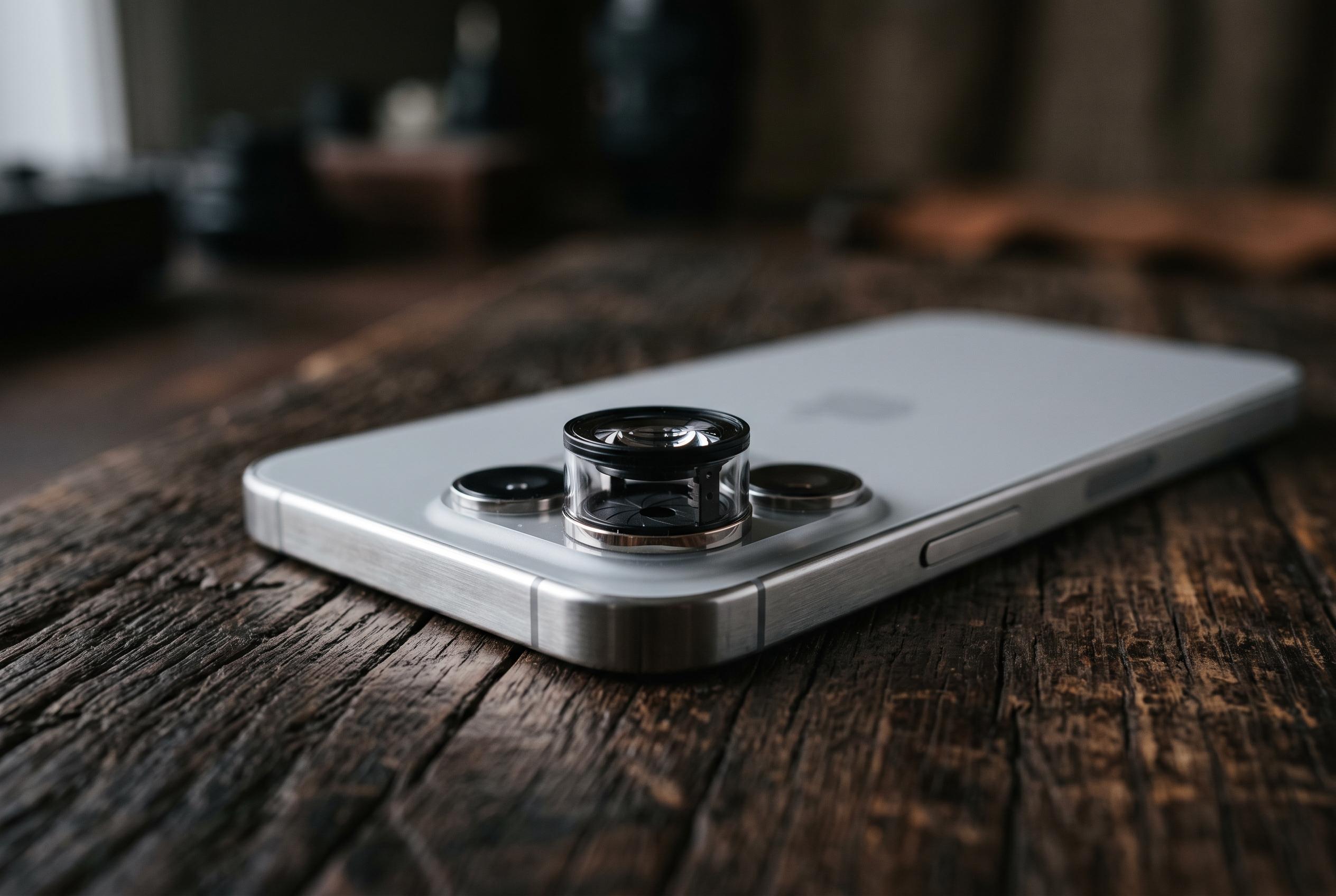

Photographer Austin Mann’s field test of the iPhone 18 Pro reveals Apple’s significant hardware upgrade in camera design, offering manual control over aperture for the first time and promising a new level of professional-like photography on a smartphone.
Austin Mann’s field test of the iPhone 18 Pro suggests Apple has made its biggest camera change in years. In a week of shooting at the remote Dunton River Camp in south-west Colorado, the travel photographer used the new phone in dark skies, bright sun and close-up scenes to assess whether the handset’s headline feature , a variable aperture on the main camera , is more than a marketing flourish. According to the reports published by iPhone in Canada, Digital Camera World and Tom’s Guide, the new system moves between four stops, from f/1.48 to f/4.0, using six laser-cut blades. This gives the camera more control over light capture and depth of field than previous iPhone models, which used fixed apertures.
The most immediate benefit appears in low light. In Mann’s tests under a moonless sky, the iPhone 18 Pro produced detailed astrophotography and clean shadow detail, including a tractor lit only by a torch. Digital Camera World notes that the wider f/1.48 setting admits substantially more light than the older f/1.8 design, while Apple’s system relies on physical optics rather than heavier software correction to keep night images natural. At the other end of the range, closing down the aperture creates more depth of field and more pronounced starbursts around lights, giving the camera a look that is closer to traditional optics than to the processed effects common on phones.
What makes the upgrade more significant is not only the hardware, but the control now exposed inside the Camera app. MacRumors reports that Apple has added Pro Controls, letting users adjust aperture, shutter speed and white balance, while also checking exposure with a live histogram. That means photographers can separate focus from exposure, use manual focus peaking and rely on subject tracking when shooting people, animals or moving objects. In Mann’s hands, those tools also made practical sense: a slower shutter could create natural motion blur in flowing water, rather than forcing the phone to simulate the effect afterwards.
Even so, the reports suggest most owners will rarely need to intervene. The system is designed to choose aperture settings automatically, opening wide indoors and closing down outside to keep more of a scene sharp. MacObserver says this is the first iPhone main camera to alter the amount of light reaching its sensor mechanically, which is a notable shift for a device that has long prioritised automation over user control. For photographers, though, the wider point is clear: Apple has made the stock camera app feel much closer to a serious imaging tool, while still leaving casual users free to let the phone decide.
Disclaimer: This content is intended for informational purposes only. Readers are advised to exercise their own judgement, conduct due diligence, or consult a qualified expert before acting on any information provided.