
Apple introduces its first foldable iPhone, the Duo, priced significantly above the traditional Pro Max, prompting debate over whether the extra cost offers enough benefits for consumers.
Apple’s latest top-end iPhone comparison is unusually stark because, for the first time, the company has introduced a model that sits above the Pro Max on price. The iPhone Duo starts at $1,999, while the iPhone 18 Pro Max begins at $1,299 after a $100 increase. That leaves buyers weighing a $700 premium for Apple’s first foldable against the safer choice of its most advanced conventional flagship. Reporting from Tom’s Guide and price breakdowns from MacRumors and other comparison pieces show that Apple has kept the storage ladder aligned across the range, which makes the gap consistent at every tier.
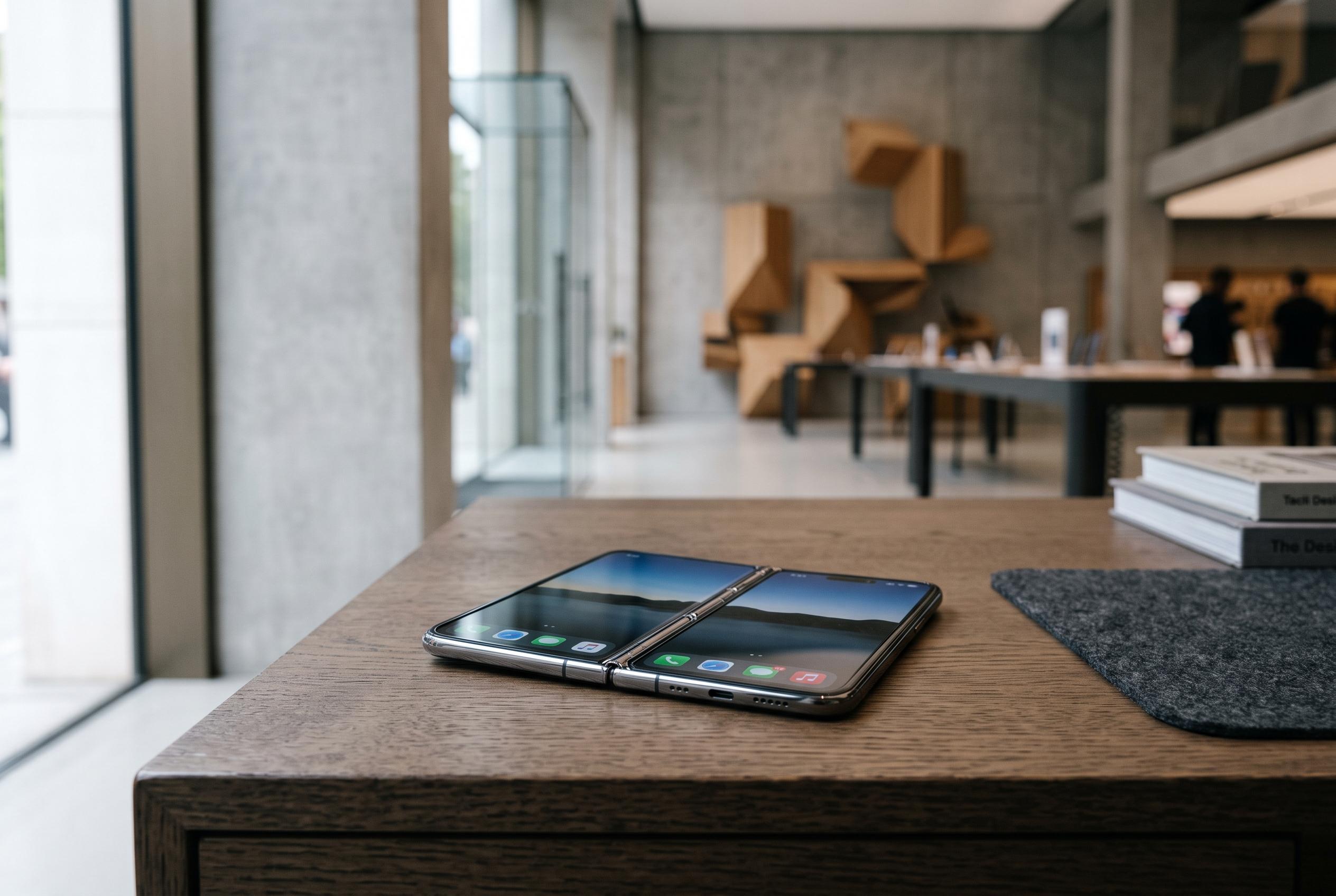
On design, the two devices serve very different users. The iPhone 18 Pro Max stays close to Apple’s familiar large-screen formula, with a 6.9-inch display and four colour options. The iPhone Duo, by contrast, is Apple’s most ambitious hardware change yet: a foldable handset with a 7.6-inch inner screen and a 5.4-inch outer panel. Tom’s Guide says the hinge leaves the crease far less visible than on many rival foldables, while the compact folded shape makes one-handed use easier. Opened out, it offers more room for split-screen work and media consumption, although the larger panel may still face questions over brightness and reflection performance until full testing is complete.
The camera systems reflect the same split in purpose. The iPhone 18 Pro Max carries a triple 48MP array, including a telephoto lens, variable aperture control and support for ProRAW, Apple Log and spatial capture features. That makes it the stronger choice for users who want maximum photographic control. The iPhone Duo uses a dual 48MP setup instead, but its foldable form adds practical benefits for creators: it can stand on its own for hands-free shooting, and the outer display can serve as a live preview screen for selfies, vlogs and framing. Its weakness is clear, however, as it lacks a dedicated telephoto camera.
Performance and software are more closely matched. Both models use Apple’s A20 Pro chip and 12GB of RAM, and both run iOS 27 with the same Apple Intelligence features. The difference lies in how the software is used. The Duo introduces true split-screen multitasking and smoother hand-offs between the outer and inner displays, which should appeal to people who regularly move files, text or apps between windows. Battery claims are also close: Apple rates the Duo for up to 44 hours of video playback on the outer display and 31 hours on the inner, while the Pro Max is rated at up to 45 hours. Both support 25W MagSafe wireless charging and up to 50% charge in about 30 minutes with Apple’s 35W adapter.
For most buyers, though, the conclusion is straightforward. The iPhone Duo is the more striking device and the one that points to Apple’s foldable future, but it asks a heavy premium for benefits that many users will not fully exploit. The iPhone 18 Pro Max remains the better-balanced option because it offers the stronger camera system, slightly better battery rating and a far lower entry price. Tom’s Guide argues that the Duo’s extra cost is mainly paying for novelty and screen space, not a broader set of essential capabilities.
Disclaimer: This content is intended for informational purposes only. Readers are advised to exercise their own judgement, conduct due diligence, or consult a qualified expert before acting on any information provided.