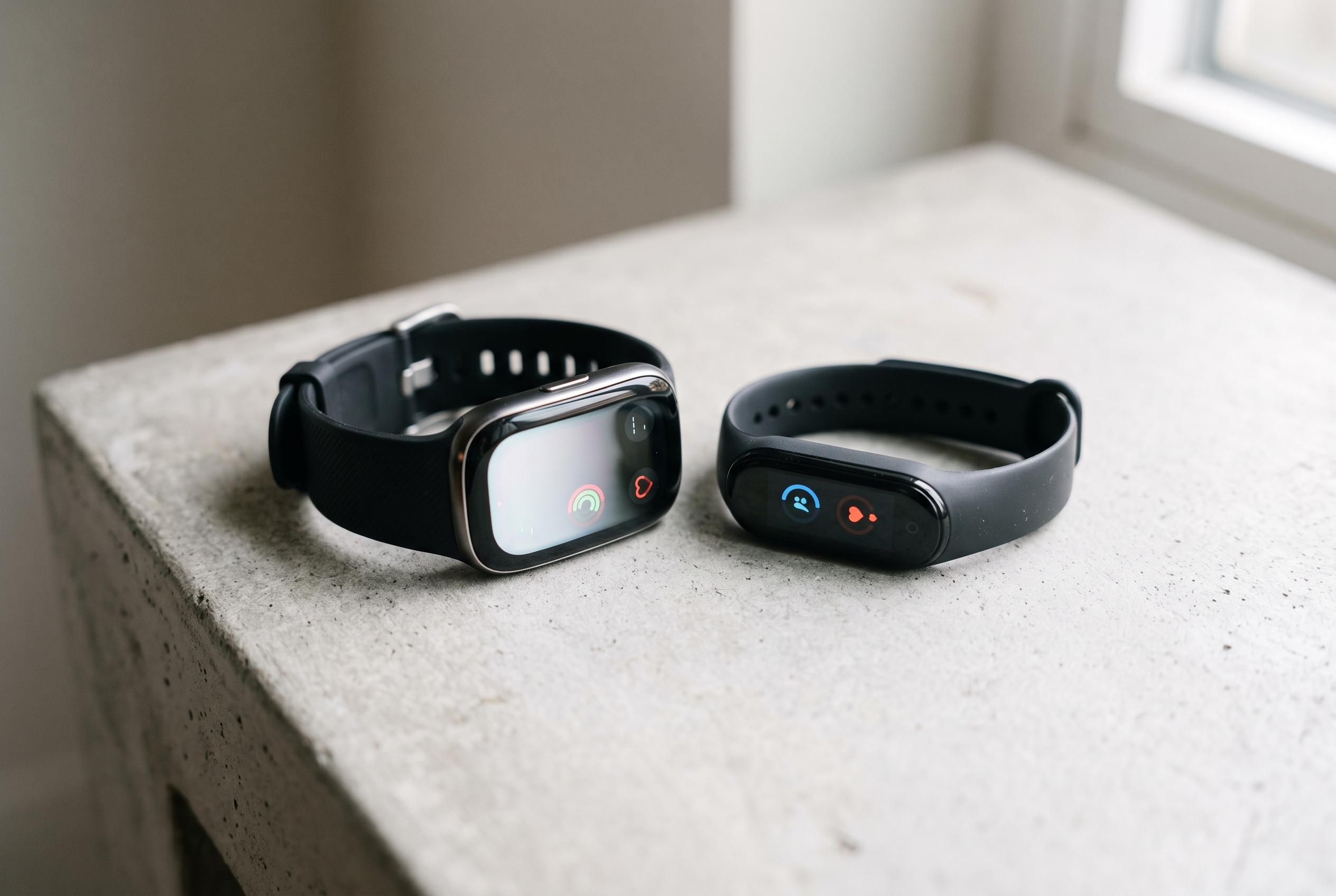

Google’s newer Fitbit Edge adds GPS, a larger display and advanced health tools, making it the stronger all-round choice despite the Inspire 3’s lower price and longer battery rating.
The Fitbit Inspire 3 remains a capable low-cost tracker, but Google’s newer Fitbit Edge is the stronger all-round device for most buyers. Tom’s Guide says the Inspire 3 is now four years old and often discounted, while the Edge arrives as a fresh 2026 model with a far broader feature set and a price that still undercuts many premium wearables. The real question is no longer whether the Inspire 3 is good value; it is whether the extra outlay for the Edge is justified by the added hardware and health tools. According to Tom’s Guide, the answer is usually yes, unless budget is the overriding concern.
In design terms, the two trackers are closer than their price gap might suggest. Tom’s Guide notes that the casings are similar in size, although the Edge is taller and noticeably heavier. Even so, the newer model is still described as comfortable on the wrist. The bigger practical difference is the control system: the Inspire 3 uses a haptic side button, while the Edge switches to a physical button with proper tactile feedback, which makes operation easier and more reliable. Both devices are rated to 50 metres of water resistance, so either should cope with showers and shallow swimming.
The display is one of the most obvious upgrades. Tom’s Guide says the Inspire 3’s 0.76-inch AMOLED panel is usable and reasonably bright, but its touch response can feel inconsistent. The Edge, by contrast, has a 1.34-inch AMOLED screen that is larger, sharper and easier to read outdoors. In a separate early-impressions piece, Tom’s Guide also said the Edge’s screen and overall layout make the device feel more polished, especially when paired with the new physical button. For anyone who checks stats frequently during workouts, that larger display is a meaningful improvement rather than a cosmetic one.
The biggest gap is in health and fitness capability. Tom’s Guide says the Inspire 3 covers the basics well, including heart-rate tracking, sleep monitoring and common workout modes, but it lacks onboard GPS, an altimeter and the newest safety and health features. The Edge adds GPS, elevation tracking and more advanced health functions, including ECG support, blood pressure and insulin resistance trend reports, breathing emergency alerts and loss-of-pulse detection. Tom’s Guide also says the Edge ties into Google’s health subscription features for more detailed training, nutrition and recovery insights, which makes it more suitable for users who want deeper analysis rather than simple activity logging.
Smart features remain limited on both devices, but the Edge does at least gain some useful Google integration. Tom’s Guide reports that both trackers can mirror notifications and control media on Android and iPhone, yet neither is a full smartwatch replacement. The Edge does not include NFC for contactless payments, which is a drawback given that some earlier Fitbit models offered it, but it can surface Google Maps directions from a paired phone. Battery life is the one area where the Inspire 3 still wins on paper, with Google rating it for up to ten days compared with seven for the Edge. Tom’s Guide says real-world use suggests the Inspire 3 is more likely to last seven to eight days, while the Edge may land closer to five or six, though it recharges faster at around 90 minutes.
Overall, Tom’s Guide concludes that the Fitbit Edge is the better tracker because it combines a larger screen, stronger controls, built-in GPS and a much richer health feature set in a similarly compact form factor. The Inspire 3 still makes sense for buyers who want an inexpensive, lightweight fitness tracker for basic activity, sleep and stress monitoring. But for anyone weighing the two directly, the Edge looks like the more forward-looking option, while the Inspire 3 increasingly reads as the budget fallback.
Disclaimer: This content is intended for informational purposes only. Readers are advised to exercise their own judgement, conduct due diligence, or consult a qualified expert before acting on any information provided.