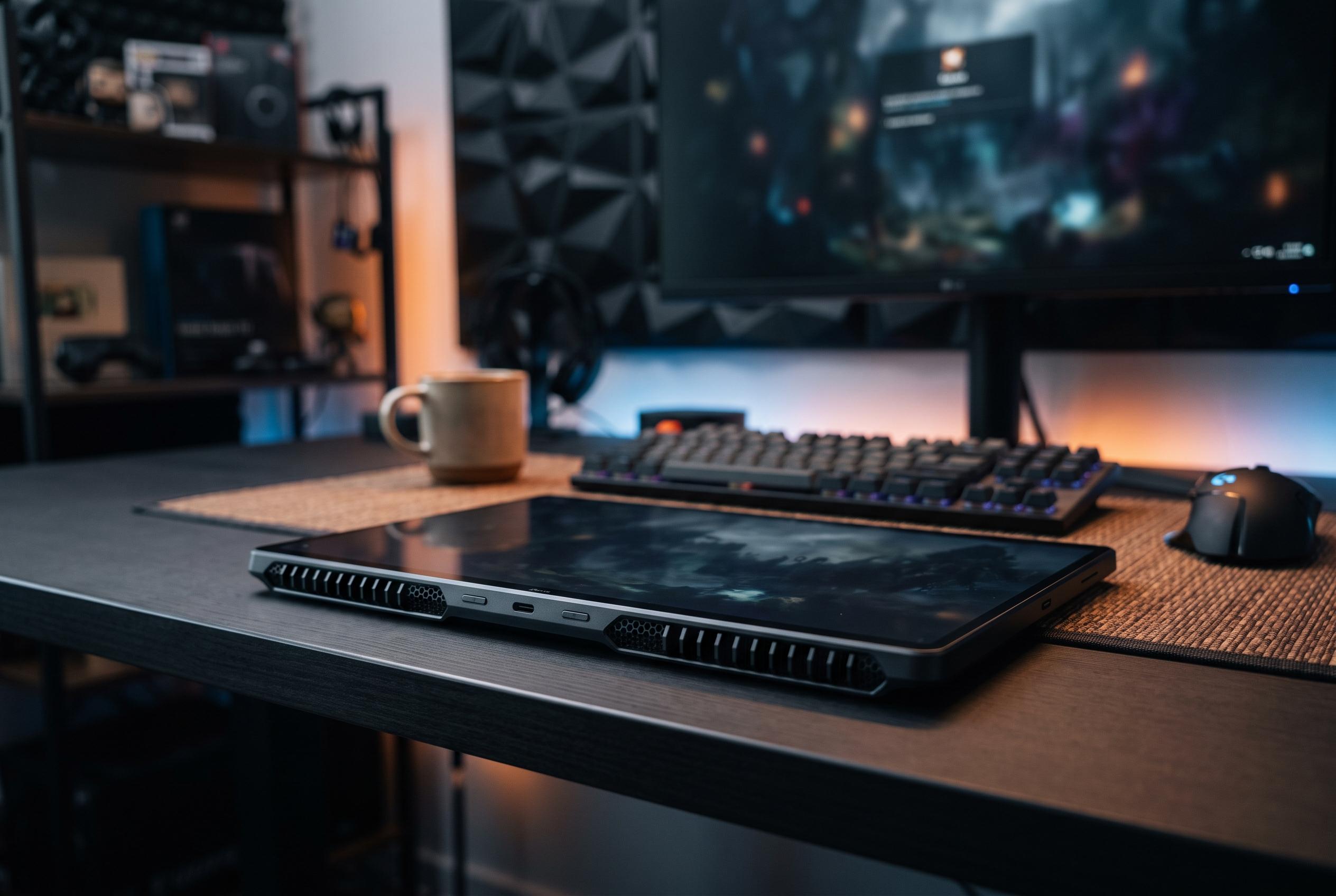

Emerging gaming tablets are set to feature faster displays, increased RAM, and advanced cooling, offering more powerful options for casual and hardcore gamers alike.
Tablet gaming is becoming more popular as players look for larger displays, steadier performance and fewer frame drops. But raw RAM alone does not decide how well a tablet handles games. Chipset power, graphics performance, cooling and software tuning all matter, and that is why the strongest options usually combine several specifications rather than relying on one headline figure.
Among the more affordable choices, the Redmi Pad 2 stands out with an 11-inch 2,560 x 1,600 display, a 90Hz refresh rate and an 8GB memory option, according to the article. Samsung’s Galaxy Tab A9+ offers a similar 11-inch format with 8GB of RAM and a focus on stable everyday use. Infinix’s XPAD and TECNO’s MEGAPAD 11 both use the MediaTek Helio G99 and 90Hz screens, while TECNO adds virtual memory expansion to reach a claimed total of 16GB. That feature should be treated carefully: virtual RAM borrows from storage, so it cannot match the speed of real memory.
At the top end, Lenovo’s Legion Tab is clearly the most gaming-focused device in the group. Lenovo says the current Legion Tab Gen 3 uses a Snapdragon 8 Gen 3 chip, up to 12GB of LPDDR5X RAM, UFS 4.0 storage and an 8.8-inch display with a 165Hz refresh rate. The company also highlights a 9,000mAh battery, rapid charging and its Legion ColdFront cooling system, all aimed at sustaining performance during longer sessions. Notebookcheck’s coverage also notes aggressive pricing in some markets, which may make the device more reachable than many premium gaming tablets.
The next wave may push this category even further. TechRadar reported that Lenovo is preparing a Legion Y700 model for March 2026 with a Snapdragon 8 Elite Gen 5 chip, a 165Hz display and a 9,000mAh battery. GamesRadar, meanwhile, said a newer Legion Tab shown at MWC could offer up to 16GB of RAM, 512GB of UFS 4.1 storage and a 3K 165Hz panel. Taken together, these reports suggest gaming tablets are moving towards higher bandwidth memory, faster storage and more advanced displays, while the practical choice for buyers still depends on whether they want casual gaming, multitasking or top-tier performance.
Disclaimer: This content is intended for informational purposes only. Readers are advised to exercise their own judgement, conduct due diligence, or consult a qualified expert before acting on any information provided.