
Garmin launches the Cirqa, a screen-free wearable designed for continuous health monitoring without subscriptions, appealing to athletes and health-conscious users seeking discretion and convenience in their fitness devices.
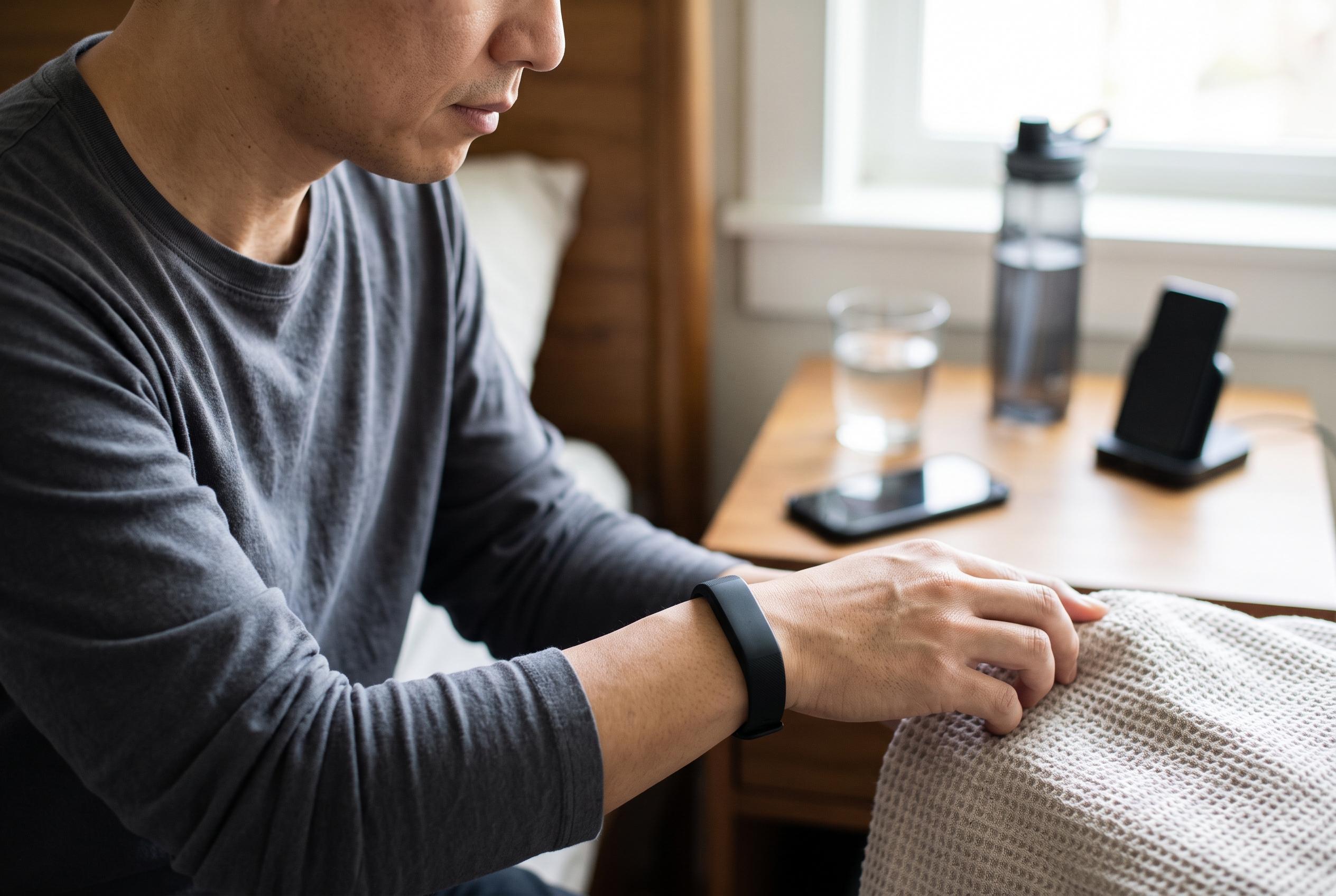
Garmin’s Cirqa Smart Band arrives at a time when endurance athletes are increasingly wary of both screens and subscriptions. Priced at $200, it is designed as a discreet, screen-free wearable that draws on Garmin’s wider ecosystem while avoiding the monthly fees associated with rivals such as Whoop and Oura. Garmin’s own launch material positions it as a device for users who want continuous health and training data without the distraction of a display.
In practice, the Cirqa makes a strong case for itself as an everyday health tracker. Reviews from Wareable and Tom’s Guide say it is comfortable enough for all-day and overnight wear, and both report accurate readings for core metrics such as heart rate, sleep and recovery-related data. TechRadar likewise found the optical heart-rate sensor to be dependable in comparison with a chest strap, reinforcing Garmin’s claim that the band can deliver useful performance data without requiring a subscription.
That value proposition is especially compelling for current Garmin users. The band works through Garmin Connect, and the company says it can slot into an existing training setup rather than replacing it. Garmin also says the device supports more than 80 activities, while Android Central notes that a side button can be used to pick a preferred activity quickly. Garmin’s Physio TrueUp system is intended to help synchronise data between the Cirqa and a Garmin smartwatch, which means some athletes may use the band mainly for sleep and recovery while keeping a watch for training sessions.
The limitations are more important for triathletes. The Cirqa does not include built-in GPS, so outdoor running and riding depend on a paired phone for route and distance data. The Triathlete review says that omission is a major weakness for anyone hoping to use the band as a true replacement for a watch, particularly for open-water swimming and pool sessions where wrist-based metrics are limited and activity control is less convenient. That view is echoed, in different terms, by Wareable and TechRadar, both of which note that the software experience is less informative than the presentation offered by Whoop or Oura.
Battery life is another area where the headline figure needs context. Garmin says the Cirqa can last up to 10 days, but that estimate assumes only 30 minutes of activity a day. The Triathlete reviewer said real-world use was closer to seven to eight days, while Wearable’s review found the endurance broadly consistent with Garmin’s claims. Taken together, the evidence suggests the Cirqa is best viewed as a well-made, subscription-free companion device rather than a full substitute for a multisport watch. For athletes already relying on Garmin hardware, that may be enough; for others, the absence of GPS and swim-friendly depth makes the value proposition less convincing.
Disclaimer: This content is intended for informational purposes only. Readers are advised to exercise their own judgement, conduct due diligence, or consult a qualified expert before acting on any information provided.