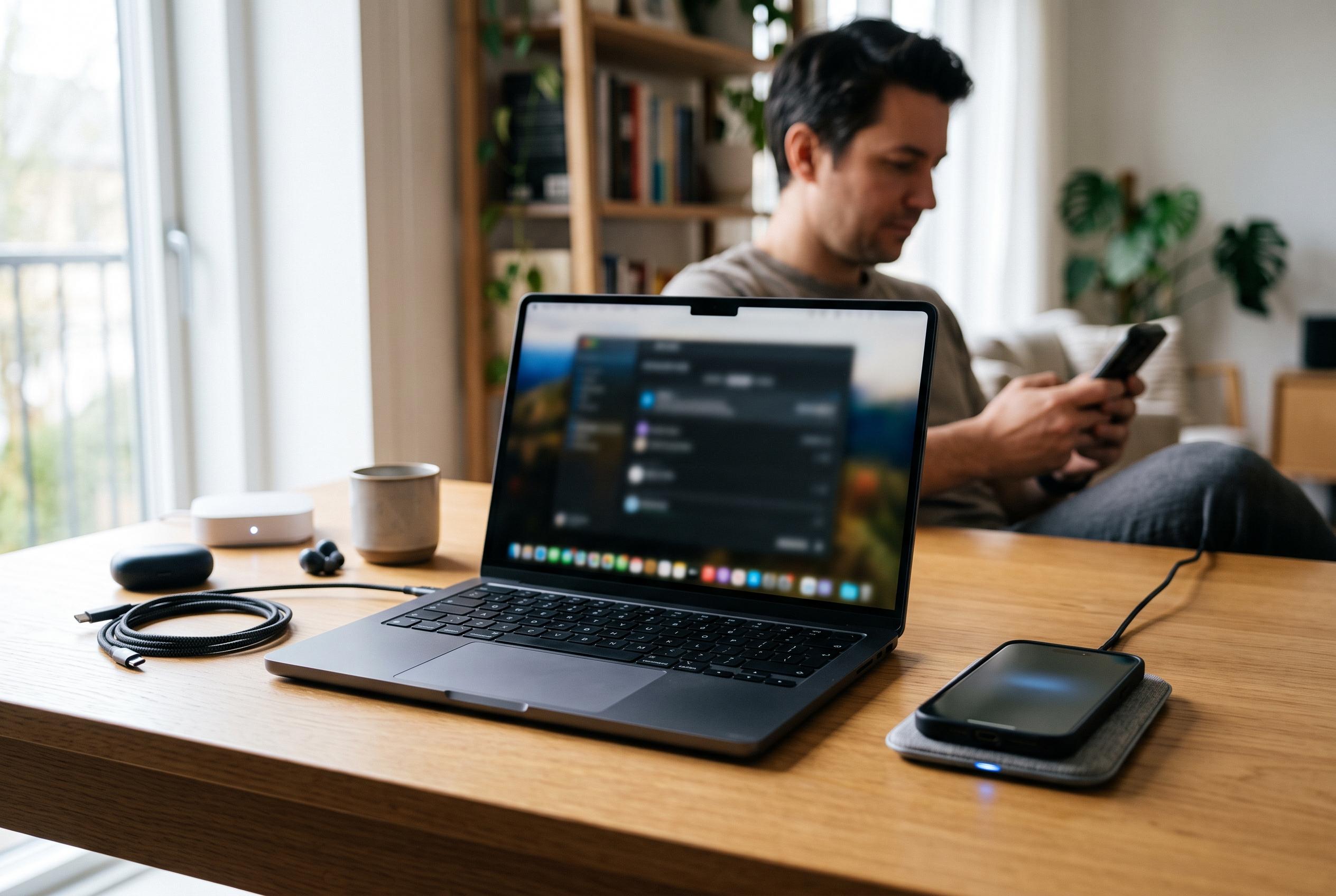

Google has launched pre-orders for its new Googlebook laptops at $899, focusing on tighter Android ecosystem integration and targeting a niche market of mobile-centric users, despite market challenges from established competitors.
Google has begun taking pre-orders for its new Googlebook line at $899, positioning the devices as a more ambitious alternative to Chromebooks rather than a direct replacement. According to coverage from Axios and TechCrunch, the pitch is centred on tighter Android integration, with premium models from Acer, Asus, Dell, HP and Lenovo due to reach the US on 4 October. The idea is straightforward: make the laptop work more like a natural extension of an Android phone, while keeping the familiar web-first tools that defined ChromeOS.
That approach is not without merit. Reporting from TechCrunch and Tom’s Guide indicates that Googlebook will support native Android apps, web apps and Linux tools, while adding Gemini features such as the Magic Pointer cursor, AI-assisted dictation and custom widgets. Google also appears to be leaning heavily on phone-to-laptop continuity, including app casting, file sync and access to mobile services from the desktop. In theory, that closes one of the biggest gaps that has long separated Android users from the smoother integration Apple offers between the MacBook and iPhone.
Even so, the commercial case looks less certain. The new line arrives in a market where mainstream laptops have become faster, lighter and more efficient, leaving fewer obvious reasons to accept platform limits in exchange for simplicity. The lead article on 9to5Google argues that this is the core problem: for many buyers, the remaining gap is not browser access but full-featured desktop software, especially in creative and professional work. Adobe applications, in particular, remain a sticking point, and the article notes that Google’s own promotional material relies on mobile versions rather than the proper desktop editions many users expect.
There are signs, though, that Google is aiming at a narrower audience than the old Chromebook pitch ever managed. Axios reports that the company sees Googlebook as a premium tier designed to sit alongside existing Chromebooks, not erase them. That would make sense if the target is users who live primarily in Android and browser-based services, and who value convenience, battery life and simpler device hand-off over maximum software compatibility. The question, as the 9to5Google piece makes clear, is whether that audience is large enough to support a new category of laptop when the market already offers capable Windows and Mac machines at every price point.
Disclaimer: This content is intended for informational purposes only. Readers are advised to exercise their own judgement, conduct due diligence, or consult a qualified expert before acting on any information provided.