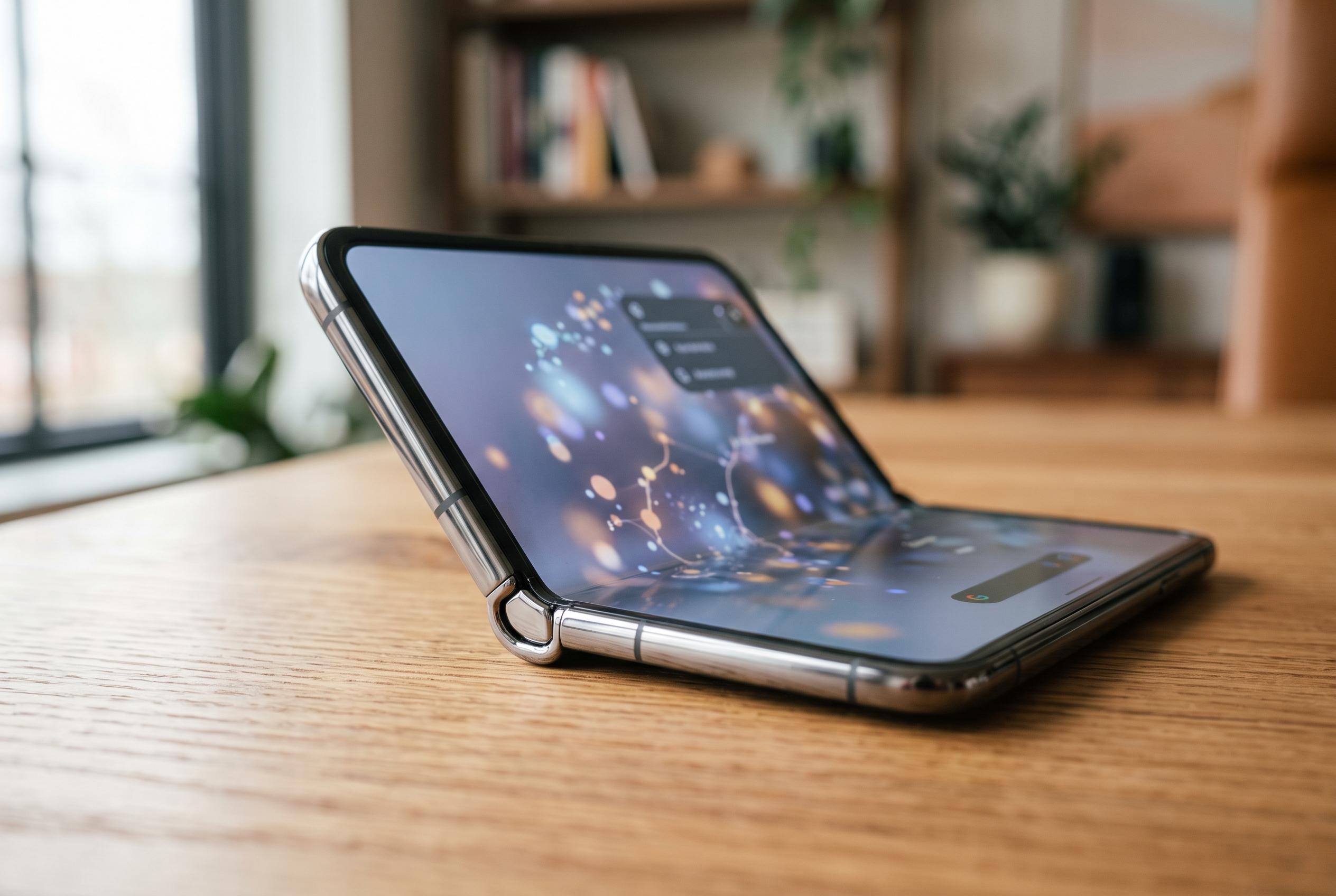

Google’s latest Pixel 11 Pro Fold maintains familiar design with refinements, delivering mature performance and innovative AI features, as rivals adopt more radical redesigns amidst a shifting foldable market.
Google’s latest foldable arrives at a moment when the market is shifting around it. Samsung has split its Z Fold line into two distinct families, while Apple has now entered the category with its first folding iPhone. Yet Google has chosen continuity rather than reinvention, keeping the same basic silhouette as last year’s model. According to early reviews from outlets including Android Central, TechRadar and Tom’s Guide, that restraint has produced one of the most mature book-style foldables available, even if it looks less adventurous than some rivals.
In practice, the Pixel 11 Pro Fold seems to have benefited from careful refinement rather than dramatic redesign. Reviewers say it is thinner, lighter and easier to live with than its predecessor, while retaining the familiar large outer display format that avoids the narrower, more awkward feel of some competing foldables. TechRadar notes that the device weighs 239 grammes, loses 19 grammes versus the previous model and adds IP68 dust and water resistance, a level of protection that remains unusual in this category. The 6.5-inch cover screen and 8-inch inner display both use LTPO OLED panels with peak brightness of 3,600 nits, and that combination has been praised for clarity outdoors and smoothness in everyday use.
The camera system is more complicated. Google has upgraded the main sensor and kept a 5x telephoto lens, but reviews suggest the folding model still sits behind the non-folding Pixel 11 Pro phones in outright imaging quality. Android Central says the Fold’s photos are weaker in dynamic range, portrait rendering and fine detail than those of its slab siblings, while Tom’s Guide found the improvements welcome but not transformative. Even so, the software remains a strength. Google’s new tools, including Magic Capture, Made You Look, a pinned taskbar and other foldable-specific camera features, are described as practical additions rather than gimmicks. They make better use of the larger screen than most rivals do.
Artificial intelligence is the area where Google still appears most confident. The Tensor G6 chip, built on a 2 nm process, gives the company room to push local AI functions, including live translation and more advanced task automation. Reviewers say features such as Rambler, Gemini Notebook and HiLight are ambitious, with some genuinely useful ideas for dictation, summarisation and notification management. But there are limits. Several reviews note that some of Google’s more personalised Gemini features remain unavailable in parts of Europe at launch, and that the company’s software lead is tempered by slower hardware than the best chips from Apple and Qualcomm.
That hardware gap matters most in gaming, thermal control and charging. Across the reviews, the Tensor G6 is consistently described as capable for daily use but well behind the fastest rivals, especially under load. Battery life is judged adequate rather than class-leading, despite the lower-capacity 4,806mAh cell, and charging remains relatively slow at 30W wired, even though wireless Pixelsnap support has improved to 25W. The price has also risen: the Pixel 11 Pro Fold starts at $1,899, or €1,999 in the French review, making it more expensive than last year’s model but still cheaper than some direct rivals. The result is a device that appears less like a breakthrough than a considered, if costly, correction. For buyers who want the most polished Pixel foldable yet, it is easy to recommend. For those seeking the fastest or most ambitious one, the case is less clear.
Disclaimer: This content is intended for informational purposes only. Readers are advised to exercise their own judgement, conduct due diligence, or consult a qualified expert before acting on any information provided.