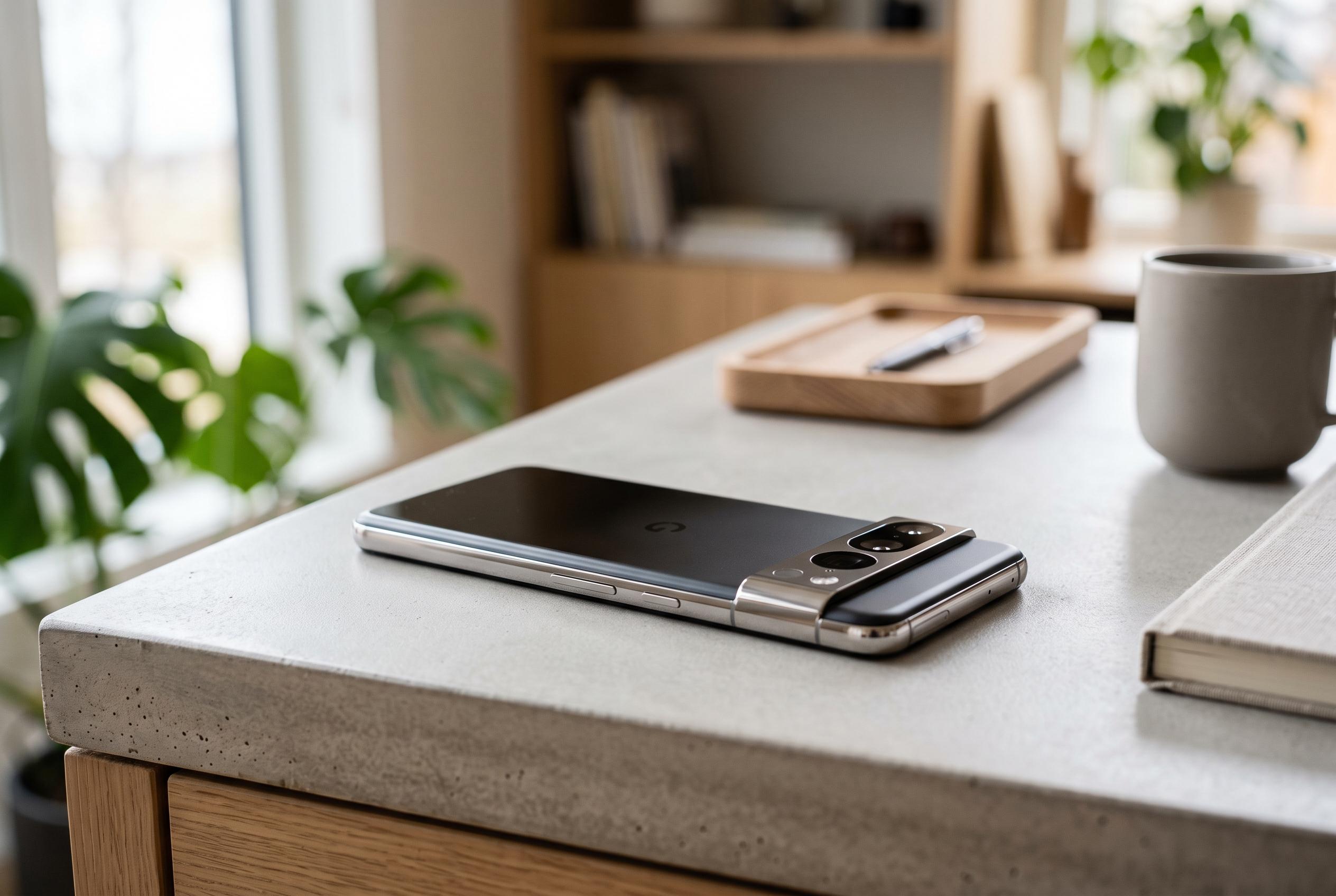

Google’s Pixel 11 Pro XL offers a polished flagship experience with enhanced design and camera features, continuing its focus on software finesse in a fiercely competitive market where hardware specs remain a key battleground.
Google’s Pixel 11 Pro XL continues the company’s familiar formula: it is less a numbers-first flagship than a polished showcase for Android, with a clean interface, dependable cameras and increasingly central Gemini features. Yet the wider market has not stood still. In a price band occupied by phones with top-tier processors, advanced displays and very large batteries, Google’s appeal still rests on experience rather than raw specification strength. The Pixel 11 Pro XL refines that pitch with a better-finished body, built-in Qi2 support and a revised telephoto camera, but it also inherits the same question that has followed Pixel flagships for years: whether software finesse can justify a premium price when rivals are stronger on paper.
The phone’s physical design appears to make a strong first impression. Zoomit’s review says the handset feels expensive before the screen even lights up, helped by a Gorilla Glass Victus 2 rear panel seated on an aluminium frame. Tech Advisor adds that the device uses a matte glass back, shiny sides and a notably heavy 226g build, while the colour palette includes Obsidian, Fog, Olive and Canyon. The result is a phone that looks and feels premium, but not compact or especially light. That matters, because the XL model is clearly aimed at buyers who want a large-format flagship and are prepared to carry it.
Display and day-to-day usability remain central to the Pixel’s case. TechRadar describes a 6.8-inch Super Actua panel with a 120Hz refresh rate, which should suit smooth scrolling and gaming, while its review also highlights the polished build and straightforward interface. That aligns with Google’s broader strategy: reduce friction, keep the software cohesive, and let the hardware serve the experience rather than dominate it. The company has also added Qi2 support, which should improve wireless charging compatibility and magnetic accessory use, bringing the Pixel line closer to the convenience features now expected in expensive phones.
Camera performance is the area where Google continues to argue that its phones matter most. TechRadar and Android Central both point to a 50-megapixel main sensor alongside 48-megapixel ultra-wide and telephoto cameras, while DXOMARK’s test placed the Pixel 11 Pro XL fifth globally with a score of 168. That test praised exposure, colour, autofocus and the balance between detail and noise, though it also found weaker results from the secondary cameras and in video. PhoneArena meanwhile highlighted Google’s new Magic Capture mode, which records video when the shutter is pressed and uses on-device AI to pull out and enhance a still image into a high-resolution HDR photograph. Taken together, the reviews suggest a camera system that is highly capable and often clever, even if it is not uniformly class-leading across every shooting mode.
Performance is the main caveat. The Tensor G6 is said to be a clear advance over the previous generation, but still well behind the fastest chips from Apple and Qualcomm, particularly in graphics and heavier workloads. That does not make the Pixel 11 Pro XL slow in everyday use; TechRadar says it handles normal tasks and games reliably. But it does mean Google is still asking buyers to accept a familiar compromise: strong software, excellent photography and thoughtful features in exchange for less headroom than the very fastest Android rivals. For some users, that balance will feel right. For others, it will look like too much money for too little silicon.
Disclaimer: This content is intended for informational purposes only. Readers are advised to exercise their own judgement, conduct due diligence, or consult a qualified expert before acting on any information provided.