
The Pixel 11’s vibrant, high-refresh OLED screen with peak brightness up to 3,600 nits emphasizes the need for specialised screen protectors that balance clarity, impact resistance, and privacy options, as the new models dominate Google’s smartphone lineup from August 2026.
Google’s Pixel 11 arrives with a 6.3-inch OLED panel, a 1,080 x 2,424 resolution and support for refresh rates up to 120Hz. Phandroid says the phone’s display also handles HDR10+ content and reaches a peak brightness of 3,000 nits, while Google uses Corning Gorilla Glass Victus 2 for the front. That should provide a decent base level of protection, but the combination of a bright, high-refresh panel and daily handling still makes a case for a separate protector if owners want to reduce the risk of scratches, scuffs and marks.
The wider Pixel 11 range, announced on 12 August 2026, includes four models: the Pixel 11, Pixel 11 Pro, Pixel 11 Pro XL and Pixel 11 Pro Fold. Android Central and What Hi-Fi say the line is powered by Google’s Tensor G6 chip, while the Pro models are pitched with peak brightness as high as 3,600 nits. That matters because a screen protector should preserve both touch response and visibility on panels designed for intense brightness and frequent outdoor use.
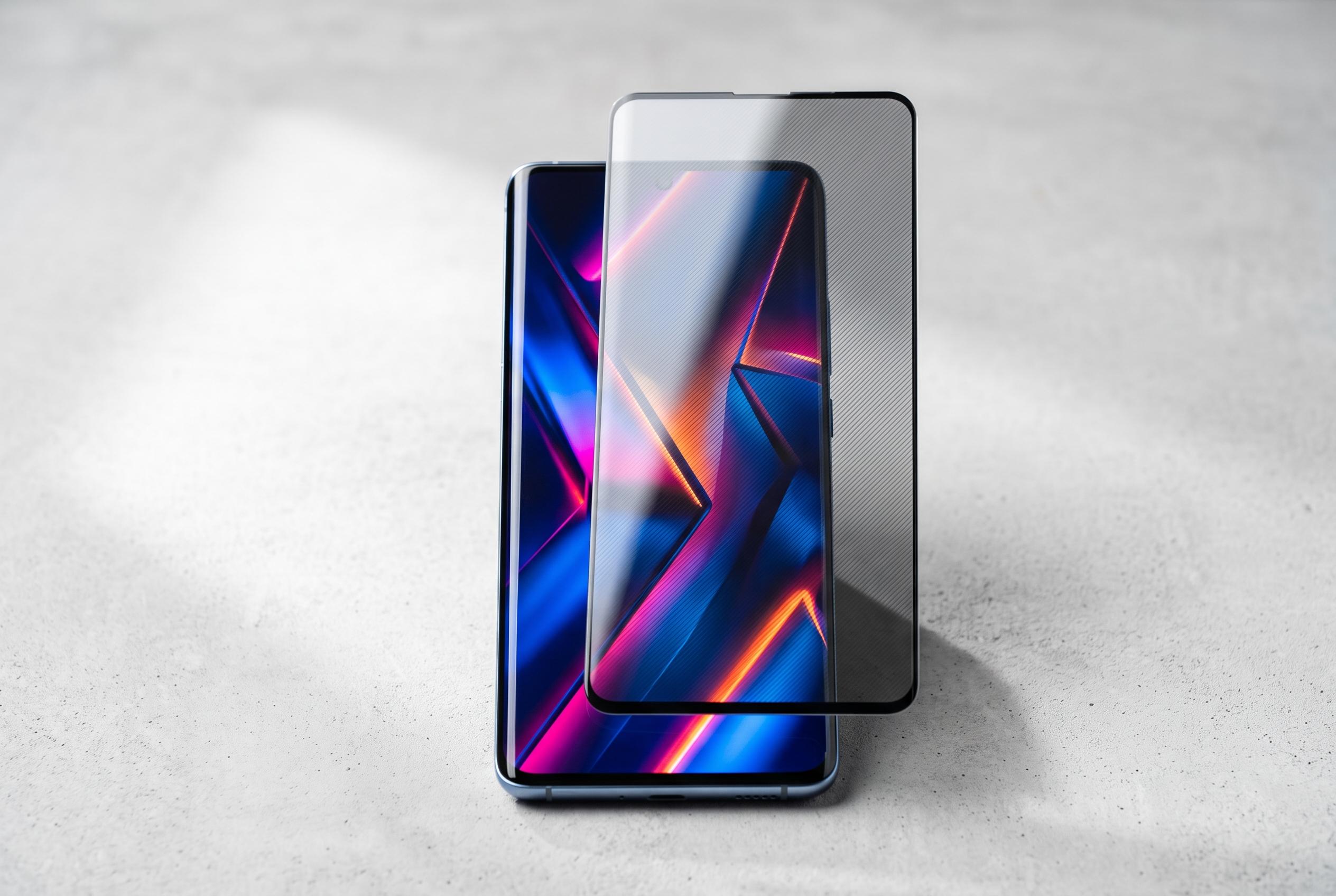
Among the most durable options highlighted by Phandroid is Spigen’s GlasTR EZ Fit Pro, which uses AluminaCore Glass and ships with an alignment tray for straightforward fitting. The site also points to ZAGG’s Glass Elite Privacy protector for users who want side-angle shielding, though it comes at a much higher price. Ringke’s Easy Slide is positioned as a two-pack with a dust-control tray and a 9H rating, while JETech offers a cheaper privacy version with a 2.5D edge profile and installation tray. For buyers who want film rather than glass, ArmorSuit’s MilitaryShield uses a self-healing layer and includes a spray kit, squeegee and cloth, making it the least expensive choice in the list.
The broader trade-off is simple: tempered glass options tend to offer better impact resistance and a more phone-like feel, while film protectors are thinner, cheaper and less intrusive. Privacy versions are useful for commuters and anyone handling sensitive information in public, but they usually reduce viewing angles and can cost more. For a handset like the Pixel 11, which pairs a high-brightness display with Google’s latest camera and AI-focused hardware, the best choice depends less on headline durability claims than on whether the buyer values clarity, privacy, or lowest possible cost.
Disclaimer: This content is intended for informational purposes only. Readers are advised to exercise their own judgement, conduct due diligence, or consult a qualified expert before acting on any information provided.