
Huawei introduces the Watch D3, a next-generation blood pressure smartwatch featuring an inflatable cuff for direct artery measurement, blending medical-grade monitoring with mainstream convenience, yet with limitations for clinical accuracy and aquatic use.
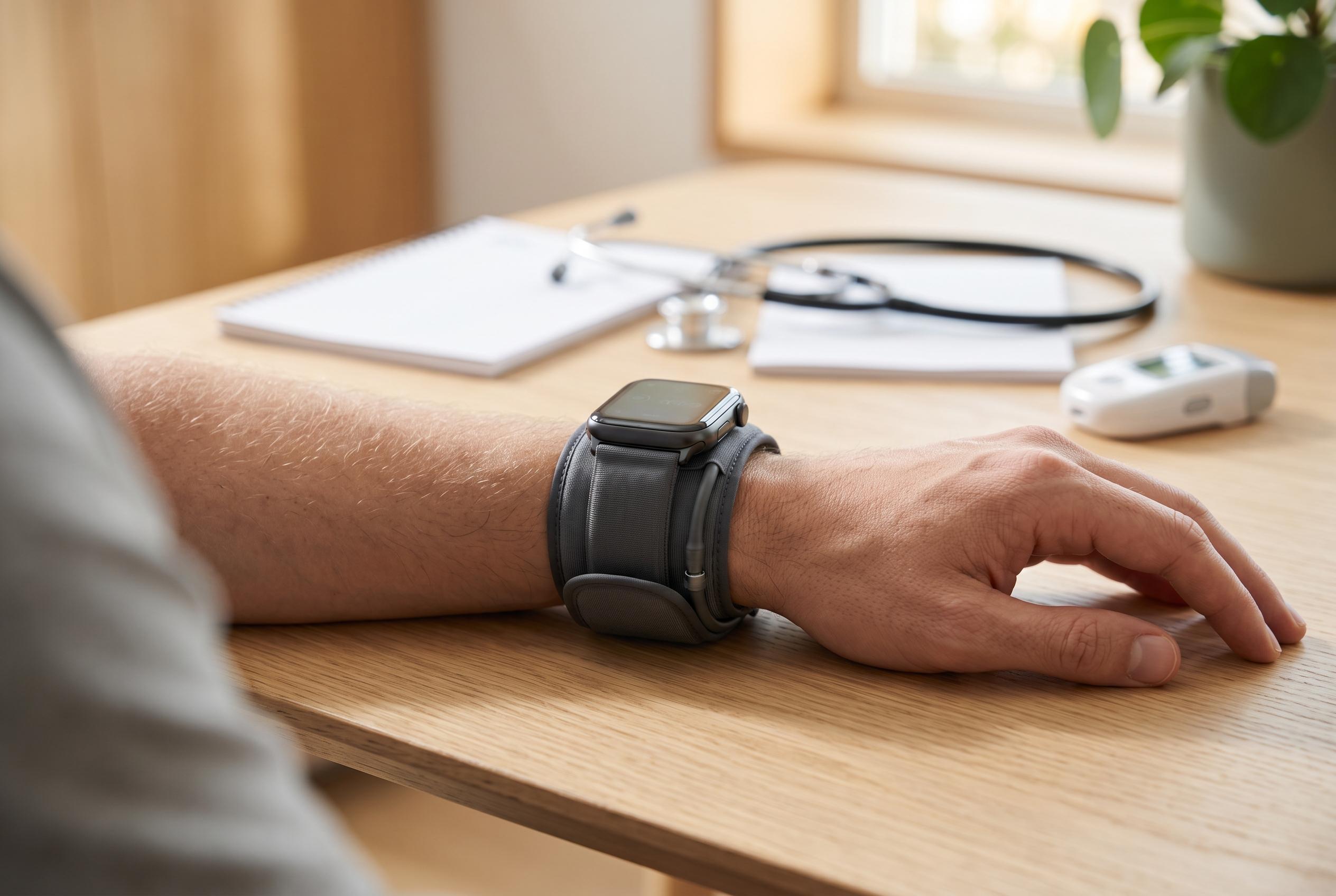
Huawei’s latest blood pressure smartwatch is a more ambitious refinement of an already unusual idea: a wristwatch with a genuine inflatable cuff built into the strap. Rather than estimating pressure from optical pulse signals, the Watch D3 uses a micro-pump and airbag to measure blood pressure directly, which places it in a different category from mainstream smartwatches that only infer trends. In practical terms, it is designed for people who need frequent readings without reaching for an upper-arm monitor, while still wanting the conveniences of a modern smartwatch. Huawei has positioned it as a medical-grade health device as well as a wearable, with certified 24-hour ambulatory blood pressure monitoring, ECG functions and broader health-tracking features.
The hardware is slimmer than the earlier Watch D2, with Huawei listing dimensions of 46.5 x 41 x 11.3 mm and a weight of about 40g without the strap. The display has grown to a 1.92-inch AMOLED panel, rated by Huawei at 480 x 408 pixels and 328ppi, and review coverage has consistently praised its brightness and clarity. TechRadar described the screen as vivid and easy to read, while also noting that the overall design remains attractive despite the specialised nature of the product. Huawei offers the watch with composite leather straps in sand and white, plus a black HNBR version, and supports wrists from 130mm to 210mm in circumference.
What makes the Watch D3 distinctive is its method of measurement. The strap inflates around the wrist and applies pressure in stages, allowing the watch to read the artery directly rather than relying on calibration against another cuff. Notebookcheck’s hands-on coverage emphasised that the inflation is quieter and less abrupt than many clinical devices, while still serving the same underlying purpose. The watch also adds newer health functions, including pulse wave arrhythmia analysis, beat-by-beat ECG and arterial stiffness assessment, which move it beyond a single-purpose blood-pressure tracker and into the more crowded premium health wearable segment.
Independent testing suggests the D3 is good enough for trend monitoring, but not yet a substitute for a validated arm cuff when precision matters. The reviewer’s side-by-side comparison against an Omron upper-arm monitor found the Watch D3 reading about 10 points low on the systolic figure on average, and slightly less on the diastolic measure, which is close enough to track changes but not close enough for diagnosis. TechRadar’s review reached a similar conclusion in more general terms, praising the device’s health focus while still flagging the bulkier strap and the sensor hardware as compromises. Huawei itself says the watch should not be used to adjust medication or make clinical decisions without a doctor.
The Watch D3 is also built around repeated measurement rather than a one-off reading. Huawei’s 24-hour ambulatory mode follows recognised interval guidance, and the watch can take automatic overnight readings, producing a report that can be shared with a clinician. That makes it more useful for spotting day-to-night variation, morning spikes and exercise-related changes than a standard cuff used only occasionally. The review found the overnight mode practical in real use, with little disturbance to sleep, although battery life falls sharply when continuous monitoring is enabled.
There are, however, clear limits. Huawei’s own guidance says the watch is not suitable for swimming, showering or immersion, despite an IP68-style rating being referenced on some product pages, because the cuff system must exchange air during readings. The company also warns that accuracy may be affected by certain medical conditions, and that the device has not been validated for pregnancy. For buyers in the UK, the Watch D3 launches at £399.99, while in the US there is no direct Huawei equivalent on sale; the closest inflatable-cuff alternative remains the much simpler Wellue BPW1. For readers who want the most direct answer, the Watch D3 appears to be one of the most advanced wrist-based blood-pressure monitors available, but its best use is still as a trend-tracking tool rather than a diagnostic instrument.
Disclaimer: This content is intended for informational purposes only. Readers are advised to exercise their own judgement, conduct due diligence, or consult a qualified expert before acting on any information provided.