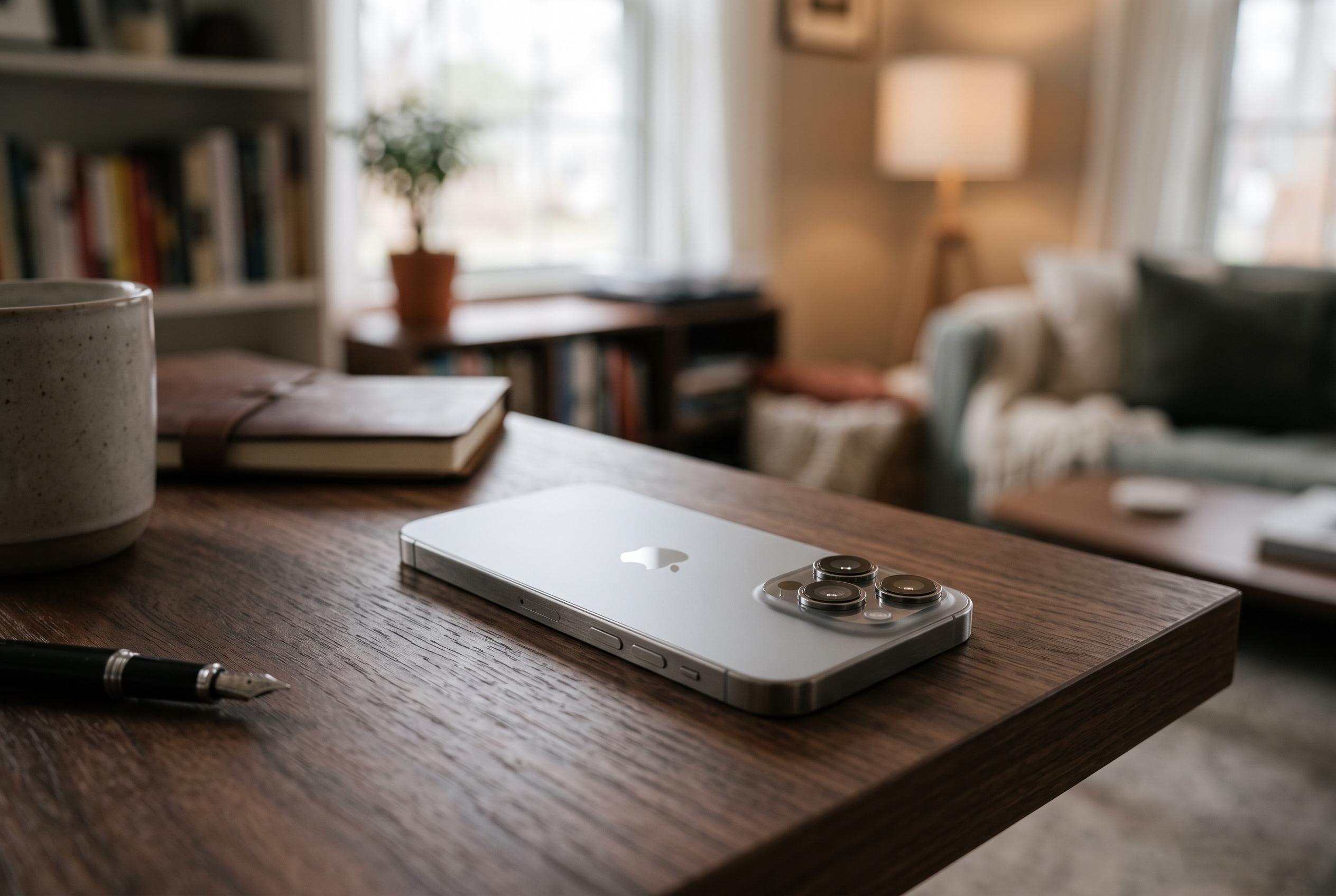

The iPhone 18 Pro’s new variable aperture offers genuine hardware adjustments but primarily signifies a leap forward in software controls, with modest photographic gains and stronger videography tools, according to expert analysis.
The iPhone 18 Pro’s variable aperture has turned out to be less dramatic in practice than Apple’s presentation suggested, but also more capable than many expected. After testing the handset against the iPhone 17 Pro in the same scenes, indoors and outdoors, and comparing files at extreme magnification in Lightroom, the clearest conclusion is that Apple has changed far less of the camera system than the marketing implied. The wider aperture range is real, but the rest of the imaging hardware appears to be largely carried over, which helps explain why the overall look remains familiar. According to Fstoppers, the ultra-wide, telephoto and front cameras are unchanged, while the main module is the only part that appears to have been revised.
That main camera now moves between four aperture settings, from f/1.48 to f/4, rather than staying fixed as on the previous model. MacRumors says Apple’s camera app allows manual access to those settings, and related reporting indicates that the system uses six physical blades behind the lens to alter the light path. The practical result is a small but genuine mechanical adjustment rather than a software simulation. In Fstoppers’ comparison, the widest setting was sharper than expected in the centre of the frame, while the corners softened in the way most lenses do when opened fully. At the other end of the range, f/4 did not show the diffraction loss some observers predicted.
What is more striking is how modest the image differences are across the aperture range itself. Smartprix and other reports describe the main camera as a 48-megapixel unit with four selectable stops, but Fstoppers found that the visual gap between them is narrow enough that most users will not notice it in ordinary photographs. The lens does alter depth of field, yet the effect is constrained by the small sensor behind it. In full-frame terms, Fstoppers estimates the usable spread roughly between f/5.2 and f/14, which explains why the background separation remains limited even at the widest opening. The more noticeable benefit may come at close focusing distances, although the phone can quietly switch to the ultra-wide camera when the main module cannot focus closely enough.
That distinction matters because it undercuts one of the more common claims around the feature: that the aperture is primarily a photographic upgrade. According to Fstoppers, the stronger argument is for video, where controlling exposure with a physical aperture can help maintain a conventional shutter speed and preserve natural motion blur. Yet even there, the limitation is familiar. A wider or narrower aperture does not remove the need for neutral density filters in bright light, and it does not replace the other tools videographers already use. Some of the processing burden could also be solved in software rather than mechanics, which would avoid forcing users to think about exposure in the first place.
The more meaningful advance, then, may be in Apple’s software rather than in the lens itself. Fstoppers notes that the native Camera app now exposes manual control over shutter speed, aperture and white balance, which gives users direct access to settings that were previously the preserve of third-party apps. That matters because iPhone images are heavily processed before they reach the screen, and third-party apps that bypass Apple’s usual image pipeline often deliver files that look less natural. Apple still appears to be withholding ISO control, likely because its computational capture system blends multiple exposures rather than relying on a single frame. White balance control, by contrast, is a clear gain, particularly for video work.
For most buyers, though, the verdict is unchanged. If the question is whether the iPhone 18 Pro is a worthwhile camera upgrade from the 17 Pro alone, the answer is probably not. The new lens is technically interesting, and the software controls are genuinely useful, but the final images are close enough to last year’s phone that the change is easy to overstate. According to Fstoppers, the model is best described as Apple’s strongest iPhone camera to date, while also being only a small step beyond the one that came before it.
Disclaimer: This content is intended for informational purposes only. Readers are advised to exercise their own judgement, conduct due diligence, or consult a qualified expert before acting on any information provided.