

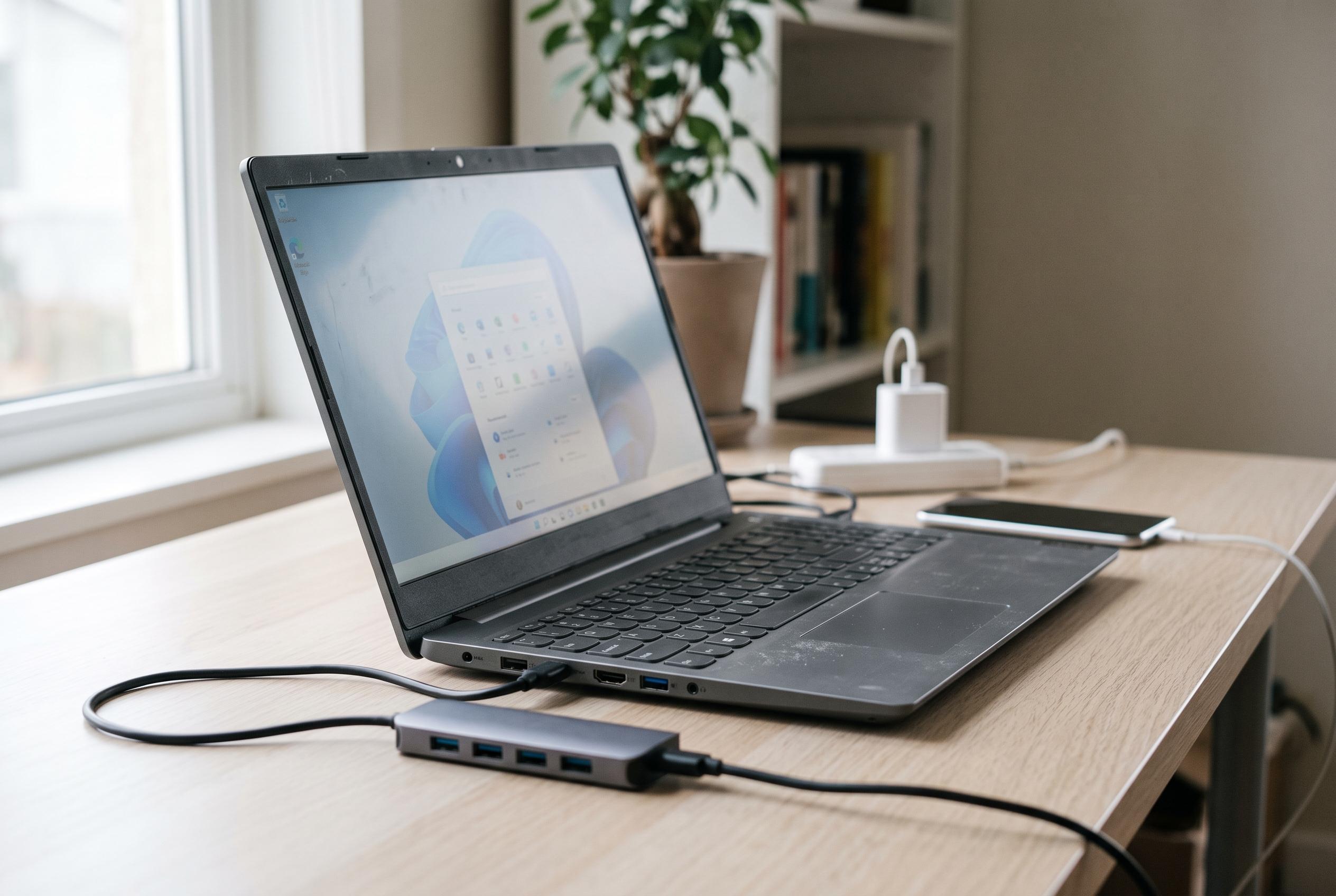

Lenovo’s latest IdeaPad Slim 3i arrives at a challenging time for budget laptops, offering modest performance and design that may not justify its price amid increasing component costs and market compromises.
Lenovo’s IdeaPad Slim 3i arrives at an awkward moment for budget laptops. According to Thurrott, the wider component squeeze has pushed prices up even as entry-level machines continue to make familiar compromises. That leaves this model in a difficult position: it is plainly designed for basic computing, yet it does not feel like a strong value proposition at the price levels now attached to it. The result is a notebook that does less, while asking more in return.
Physically, the Slim 3i follows Lenovo’s familiar consumer formula, but the execution is more spartan than elegant. Thurrott describes the Cosmic Blue chassis as largely plastic, with visible flex across the keyboard deck and keyboard keys that look and feel inexpensive. The 15.3-inch screen makes the machine sizeable, and Lenovo has used the extra width for a numeric keypad rather than separate speaker grilles, a decision that improves data entry but makes the layout busier and, in the reviewer’s view, less practical. Other reviews of the same family have made similar points about the plastic construction, modest build quality and middling overall finish.
The display is one of the more interesting parts of the specification. Thurrott notes a 15.3-inch IPS panel with a 1,920 x 1,200 resolution, a 16:10 shape and a 120Hz variable refresh rate, which is unusual in this class. Lenovo’s own product listing also highlights the 15.3-inch panel, a privacy shutter and Intel Core processor options. Thurrott found the screen perfectly usable for productivity, with text that remains mostly sharp and colours that appear more vivid than the quoted brightness level might suggest. Yet the panel is still limited by relatively weak colour coverage, and independent reviews from PCWorld and RTINGS have pointed to washed-out tones, low contrast and a screen that is adequate rather than impressive.
Performance expectations should remain modest. Thurrott’s review indicates that the unit uses Intel’s Wildcat Lake platform, a reminder that this is a machine built for light workloads rather than heavy multitasking or creative work. That assessment broadly matches other recent reviews: PCWorld criticised the limited memory and dated CPU performance, while RTINGS said the laptop is best suited to casual productivity rather than demanding applications or gaming. TechRadar was somewhat more positive, especially when the machine is discounted, but also highlighted compromises such as weak colour reproduction, uneven ergonomics, battery-life concerns and modest audio. Taken together, the consensus is clear: the IdeaPad Slim 3i can handle everyday office tasks and web use, but buyers paying full price are likely to find better-balanced alternatives.
Disclaimer: This content is intended for informational purposes only. Readers are advised to exercise their own judgement, conduct due diligence, or consult a qualified expert before acting on any information provided.



