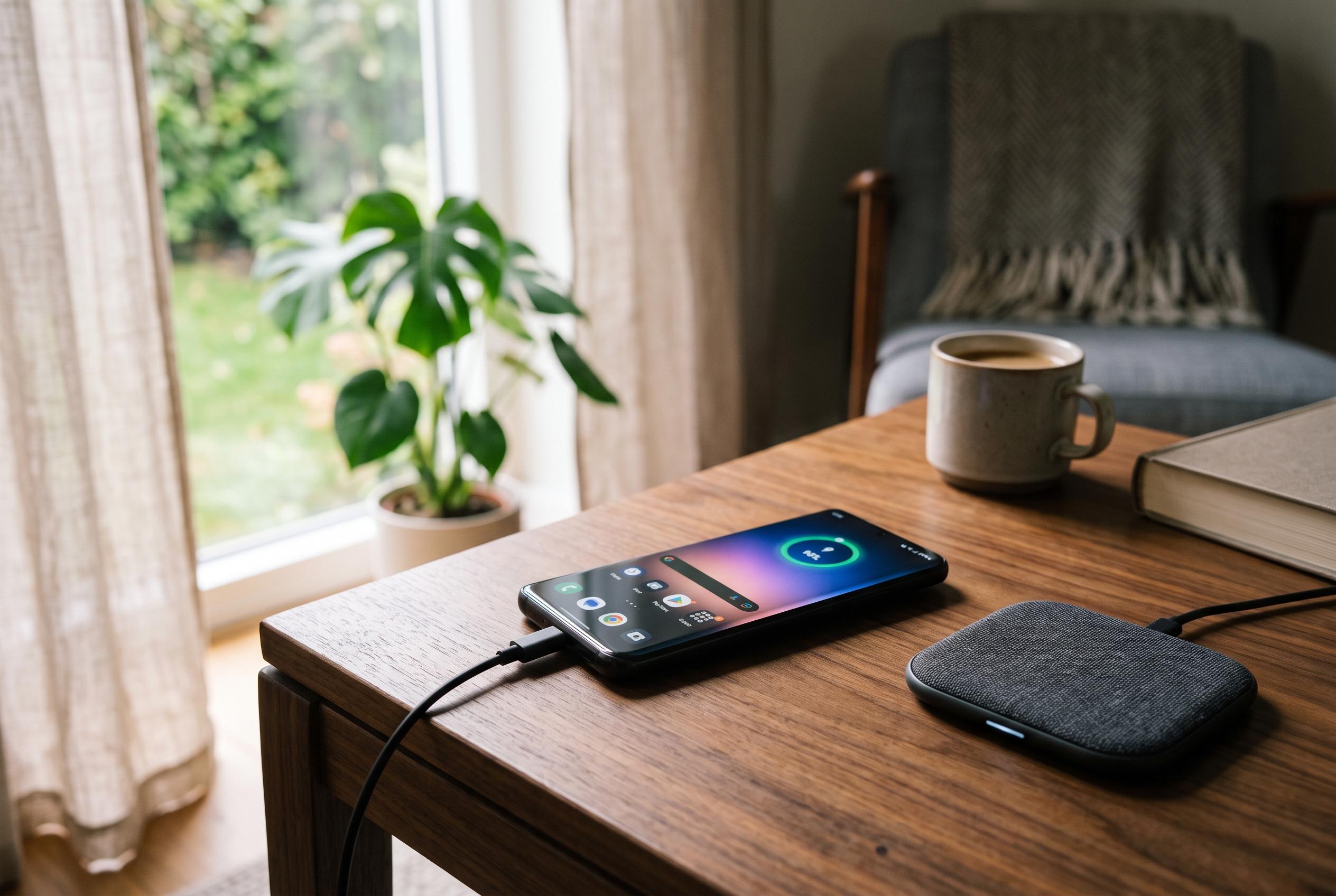

Xiaomi’s rugged Redmi Note 17 Pro Max delivers exceptional endurance and a fluid AMOLED display, but its conventional camera and chipset temper the near-premium ambitions.
The Redmi Note 17 Pro Max arrives as a deliberate attempt to push a mid-range phone into near-premium territory without crossing into flagship pricing. Business Today’s review frames the handset around two clear selling points: a large, rugged body with IP68/IP69K protection, and a 6.83-inch 1.5K AMOLED panel with a 120Hz refresh rate. On paper, that combination should appeal to buyers who want a durable phone with a bright, fluid display rather than the slimmest possible device. NoypiGeeks, GSMArena and Tech Advisor all place the same core features at the centre of their assessments, suggesting Xiaomi has leaned hard into specification-led appeal.
The battery is the feature most likely to define the experience. Different reviewers cite capacities ranging from 9,210mAh to 10,000mAh, but the common conclusion is that endurance is exceptional, with silicon-carbon chemistry helping the phone deliver unusually long run times for its class. That matters because the Redmi Note 17 Pro Max is clearly aimed at users who value practicality over elegance: people who want a device that can last through heavy use, travel and gaming without constant charging. Android Central and Tech Advisor both describe battery life as a standout advantage, while NanoReview also highlights the same point alongside its broader hardware analysis.
Performance is more measured. The Snapdragon 6 Gen 5 is competent rather than extravagant, and the consensus from NanoReview, GSMArena and Business Today is that the phone handles everyday use well, but is not trying to compete with more expensive performance-focused devices. That makes sense in context: this is a handset built for sustained, efficient use rather than headline benchmark figures. Business Today notes that the device was pushed through gaming and thermal testing, indicating Xiaomi is aware that buyers in this segment now expect decent heat management as well as raw speed. The review coverage suggests the chip is adequate for the price, though not especially exciting.
The camera system is more restrained than the rest of the specification sheet. Reviewers consistently describe a 50-megapixel main camera paired with an 8-megapixel ultra-wide lens, which places the phone firmly in familiar mid-range territory rather than photography-first premium ground. GSMArena and NanoReview both treat the imaging hardware as serviceable, while Business Today’s assessment suggests the optics do not fully match the more ambitious build, screen and battery story. That tension sits at the heart of the phone’s value question: the Redmi Note 17 Pro Max looks unusually well equipped for durability, display quality and stamina, but buyers will need to decide whether those strengths justify the asking price when the camera and chipset are more conventional than the marketing implies.
Disclaimer: This content is intended for informational purposes only. Readers are advised to exercise their own judgement, conduct due diligence, or consult a qualified expert before acting on any information provided.