

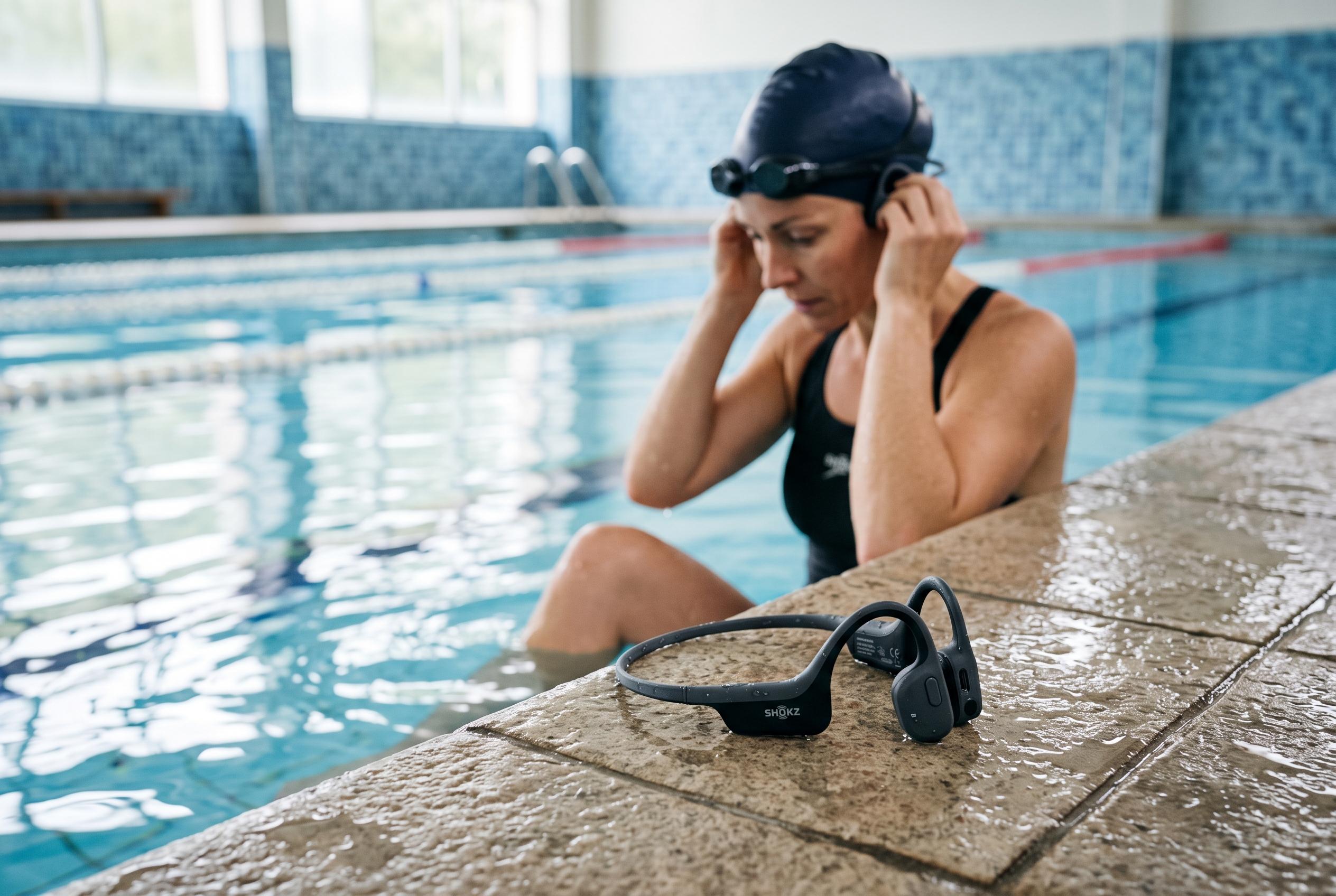

Shokz’s premium swimming headset offers offline music, 64GB of storage and swim tracking, but its water-resistance limits, QQ Music dependence and warranty terms may prove decisive for buyers.
Shokz’s OpenSwim Pro 2 is arriving into a market that has become more sceptical, not less, about premium swimming headphones. The appeal is obvious enough: a waterproof bone-conduction headset aimed at pool sessions, open-water training and free diving, with offline music, swim tracking and a price that can climb towards the top end of the category. But the discussion around the device has shifted from features to the practical questions that matter most to buyers: how it handles water, how music gets onto it, and whether the after-sales protections are as reassuring as they first appear.
According to Shokz’s Chinese product page and a launch report from Sina Finance, the OpenSwim Pro 2 is rated at 5ATM and has passed IP68 and IP69 testing, with the company positioning it for swimming, surfing and free diving to 20 metres. Shokz also says the 50-metre figure refers to a static water-pressure test for ten minutes, not an instruction to treat that as a real diving depth. That distinction matters, because the marketing language around waterproofing can sound broader than the operating conditions the company actually specifies.
The second issue is music transfer. Shokz says the OpenSwim Pro 2 supports offline imports from QQ Music, alongside phone-local audio transfer and wired computer transfer, with 64GB of storage. The company also explains that Bluetooth is not reliable underwater, which is why swimming use depends on offline playback rather than live streaming. That is the core technical constraint, and it is also the source of much of the user frustration: for anyone whose listening habit is built around other music services, moving a playlist onto the device remains a more labour-intensive process than the product’s premium positioning might suggest.
A third point of friction is durability and warranty coverage. User accounts circulating on social platforms have described failures soon after purchase and disputes over whether water ingress should be covered by added insurance products. The wider lesson is less about a single defective unit than about how consumers interpret the term “waterproof”. For a swimming headset, exposure to water is not an accidental edge case but the defining use case, so buyers need to check both the manufacturer’s own limits and the separate rules attached to any third-party replacement or protection plan.
Seen in that light, the OpenSwim Pro 2 is best understood as a specialist tool rather than a universal headphone. Its strengths are clear for regular swimmers who already use QQ Music, want local storage and value swim-tracking data such as laps, pace and stroke counts. For occasional users, for listeners who do not rely on QQ Music, or for anyone expecting forgiving warranty treatment if the device gets wet, the purchase case is much weaker. The important step before buying is not comparing specifications alone, but matching those specifications to the way the headset will actually be used.
Disclaimer: This content is intended for informational purposes only. Readers are advised to exercise their own judgement, conduct due diligence, or consult a qualified expert before acting on any information provided.



