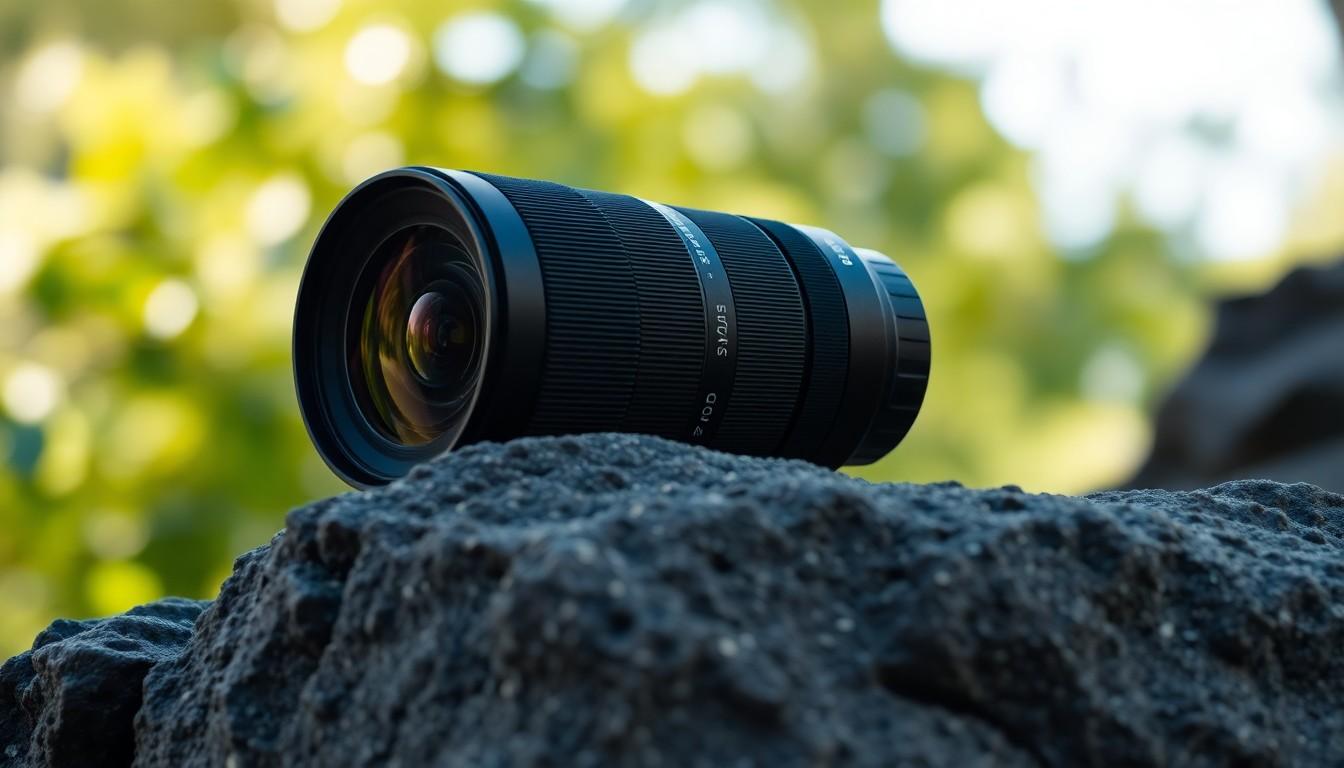

Sigma introduces its 150-600mm f/5-6.3 DG DN OS Sports lens, offering a powerful combination of reach, build quality, and autofocus performance, transforming how photographers approach wildlife and outdoor subjects.
Sigma’s 150-600mm f/5-6.3 DG DN OS Sports is the sort of lens that can alter a photographer’s habits rather than merely expand a kit. For a landscape photographer moving into wildlife work, the appeal is not only the reach but the way that reach changes subject selection. According to Sigma’s own product information, the mirrorless lens pairs a 150-600mm range with a dust- and splash-resistant body, 25 elements in 15 groups, and a minimum focusing distance of 58cm at the wide end, while independent reviews from DPReview and Cameralabs describe it as a serious, well-built telephoto zoom aimed at full-frame mirrorless users.
The first thing that stands out is scale. At roughly 2.1kg, including the tripod collar, this is not a lens to carry casually, but that weight is tied to a construction that feels deliberate and durable. Sigma’s official specification and B&H Photo’s listing both note a 95mm filter thread, FLD and SLD glass elements, and optical stabilisation designed to make a long zoom more practical in the field. Focus Camera’s review also points out that the lens was designed specifically for mirrorless bodies, which helps explain why it has become a credible alternative for photographers who want super-telephoto reach without moving straight to much larger prime lenses.
At 600mm, the perspective changes completely. Distant birds, small mammals and even isolated details in a wider scene become viable subjects, but the cost is the usual one: camera shake is magnified and subject tracking becomes much more demanding. DPReview’s field review and hands-on piece both note that the lens is intended to serve wildlife and sports shooters, and that its stabilisation and handling are central to making the focal length usable in real conditions. In practice, that means technique still matters, but the lens does enough to keep the experience manageable rather than intimidating.
Autofocus is another key part of the appeal. The lens uses a high-speed stepping motor, and the combination of modern mirrorless subject detection and long-reach optics is what makes the lens feel accessible rather than fussy. That matters especially for photographers who are new to wildlife, because a lens of this type can quickly become frustrating if focus acquisition is slow or unreliable. The reports from DPReview and Cameralabs both suggest that Sigma has struck a sensible balance between responsiveness and usability, with performance that holds up well enough for active subjects in the field.
Image quality is where the lens appears to justify its size and price. Sigma says the optical formula is built to control aberrations across the zoom range, and DPReview’s field impressions describe strong performance from end to end. That is important because long zooms often soften noticeably at the extreme telephoto setting. Here, the useful detail retention means the files can tolerate cropping, which effectively extends the lens’s reach still further. For photographers working with high-resolution cameras, that combination is practical as well as attractive.
The main compromise is the variable f/5-6.3 aperture. It is not fast, particularly at the long end, and it limits low-light flexibility and shallow depth of field compared with a large telephoto prime. But that trade-off is built into the lens’s design philosophy. A brighter lens at this reach would be significantly bigger, heavier and more expensive, and the reviews from DPReview and Cameralabs frame Sigma’s choice as a sensible one for photographers who want versatility rather than sheer speed. For many users, that balance will be the point of the lens rather than the drawback.
In use, the 150-600mm Sports is less about solving every problem than about opening a new way of seeing. It is at its most obvious for wildlife, but its range also makes sense for aviation, motorsport and outdoor events. What it offers is not only reach, but a different compositional instinct: the shift from including everything to isolating what matters. For photographers who are curious about that way of working, Sigma’s lens is a strong and technically capable option.
Disclaimer: This content is intended for informational purposes only. Readers are advised to exercise their own judgement, conduct due diligence, or consult a qualified expert before acting on any information provided.