

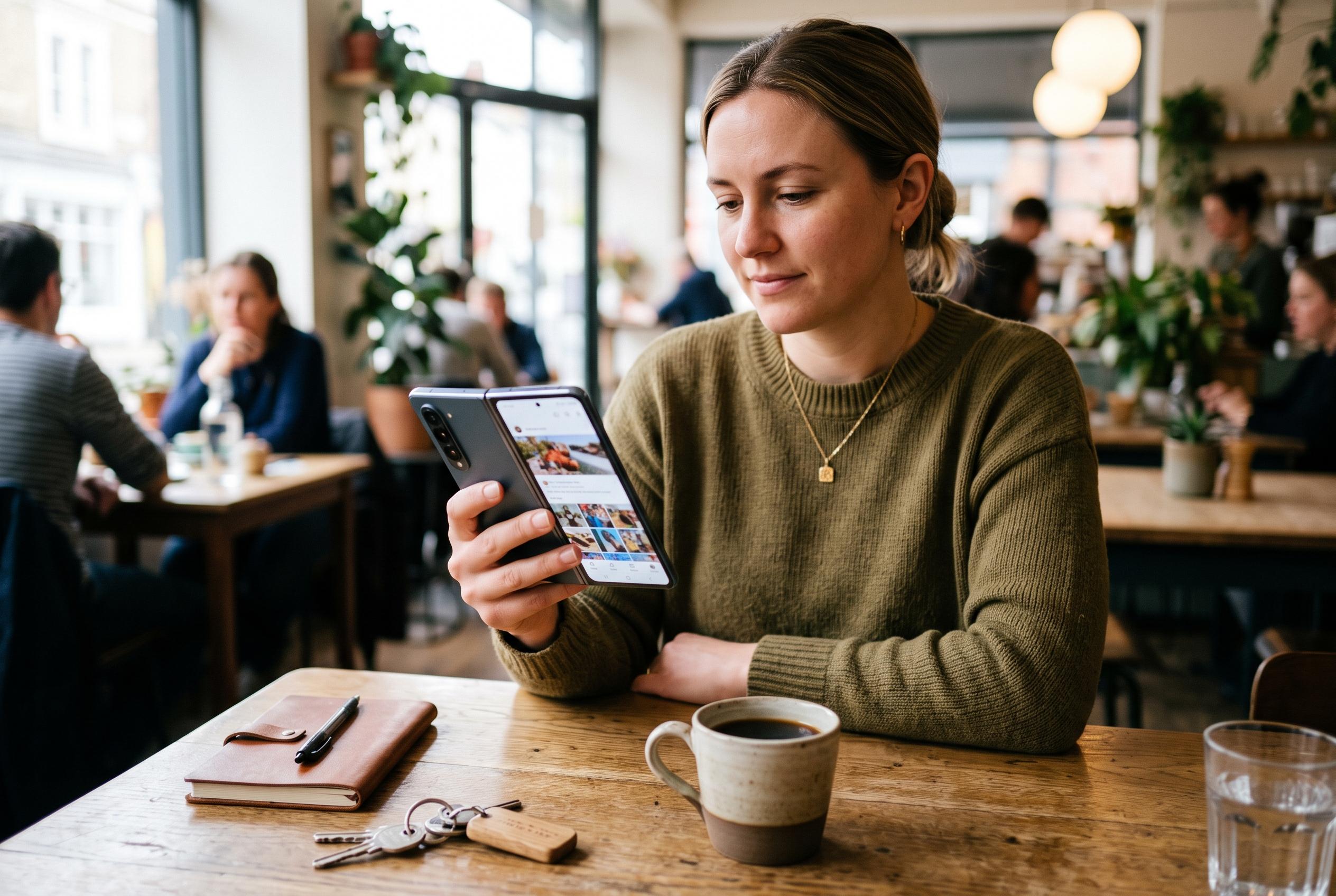

A Galaxy Z Fold owner says the bulk, awkwardness and limited everyday benefits of foldable phones may not justify their premium over conventional handsets.
Foldable phones may still look futuristic on stage, but daily use can be far less persuasive. In a first-person piece for PCMag, a Galaxy Z Fold owner argues that the appeal fades once the device is being carried, opened and closed throughout the day, leaving many users with a handset that is heavy, awkward and, in practice, used mostly like a conventional phone.
The central complaint is ergonomic rather than novel. According to the author, folded devices tend to feel thick in the hand, which makes one-handed use less comfortable than on a standard slab-style smartphone. The article also argues that, outside specific use cases, people are often reluctant to unfold the device on the move because the larger screen feels more exposed and fragile. At home, the piece suggests, the benefit is less obvious still, since a tablet or laptop may offer a better large-screen experience without the compromise of a foldable form factor.
That scepticism extends to multitasking. The writer acknowledges that split-screen use can be useful, but says most phone tasks still require only one app at a time. The article also points out that switching between apps on a conventional smartphone is usually faster than arranging two panes on a folding display. Even if Apple’s first foldable is well executed, the argument is that polish will not change the basic question of whether most people actually need a phone that opens into a larger screen.
The conclusion is blunt: for many buyers, a traditional iPhone may remain the more practical choice. Rather than paying a premium for a foldable design, the article suggests that users would be better served by a standard flagship model, which avoids the added bulk and complexity while doing most everyday jobs just as well.
Disclaimer: This content is intended for informational purposes only. Readers are advised to exercise their own judgement, conduct due diligence, or consult a qualified expert before acting on any information provided.



