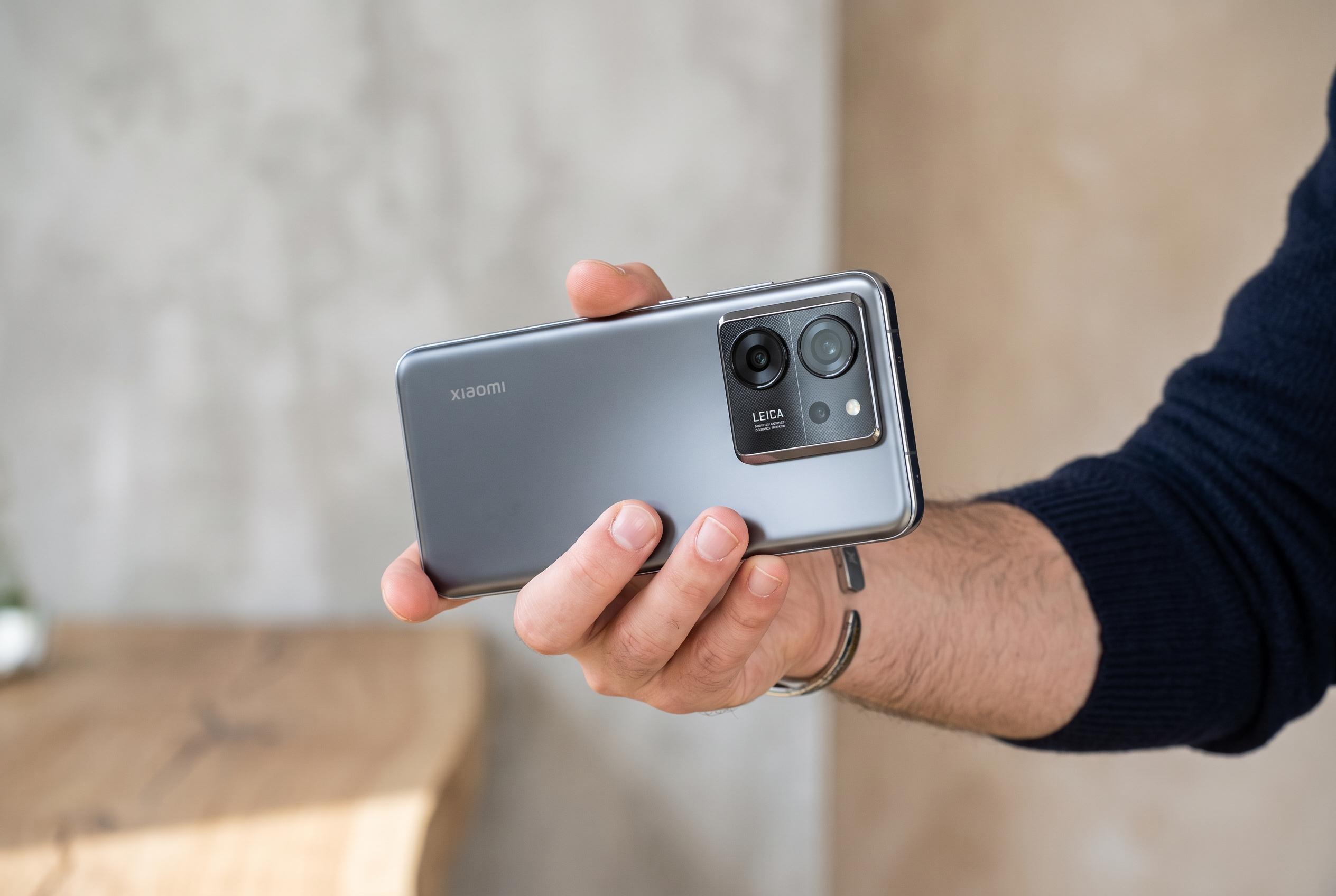

The Xiaomi 17T balances flagship-like camera versatility and battery endurance with compromises in design and software, making it a compelling choice at the right price but less so at retail cost.
The Xiaomi 17T is a study in contrasts. It is a phone that delivers genuine flagship-like benefits in the areas that matter most to many buyers , camera versatility, battery endurance and gaming performance , while also carrying compromises that are difficult to defend at its official Brazilian price. Independent reviews have broadly reached the same conclusion: the 17T is strong where it counts, but its software polish, charging behaviour and overall value depend heavily on where and how it is bought.
Design is one of the first areas where Xiaomi has made a deliberate shift. The 17T is smaller and easier to handle than the larger T-series models that came before it, yet it still feels premium in most respects. The 6.59-inch 1.5K AMOLED panel is bright, sharp and vivid, with a 120Hz refresh rate that keeps everyday use smooth. However, that display specification also hides a step backwards from the previous generation’s 144Hz panel, a change that will matter little to most people but still weakens the sense of progression. TechRadar and 91mobiles both praised the screen quality, while also noting the refresh-rate inconsistency as a minor disappointment.
Performance is another clear strength. The Dimensity 8500 Ultra, paired with 12GB of RAM, gives the device enough headroom for demanding multitasking and mobile gaming, even if it does not sit in the very highest tier of benchmark competition. In practical use, the phone behaves like a fast, well-optimised upper-mid-range device rather than a true flagship. That distinction matters, because Xiaomi’s pricing places it uncomfortably close to much more expensive rivals. Business Standard and TechRadar both pointed to the chipset’s solid performance, while also suggesting that the software experience does not always match the hardware.
The camera system is where the 17T most clearly justifies its positioning. Xiaomi has given it a Leica-tuned triple rear setup, led by a 50-megapixel main camera, a 12-megapixel ultra-wide lens and, crucially, a 50-megapixel 5x periscope telephoto. That long-range lens is the feature that most consistently separates the 17T from ordinary premium phones. Reviewers at 91mobiles, Gadgets 360 and TechRadar all highlighted the telephoto camera as a major asset, and the evidence points in the same direction: this is a handset that gives serious zoom capability without moving into full flagship territory. The front camera is less convincing, and software processing can be uneven, but the rear system is the main reason to buy the phone.
Battery life is equally persuasive. The 17T’s large cell and efficient chip give it all-day stamina with room to spare, and some reviews have suggested it can stretch well beyond a single day with moderate use. The trade-off is charging speed. Xiaomi includes 67W wired charging, but independent testing has found that refill times are not class-leading. That is not a fatal flaw, but it does mean the 17T is more of a long-run endurance phone than a rapid top-up device. Reports from 91mobiles and Gadgets 360 both underline this balance: excellent battery life, but charging that could be faster.
Software and pricing are the final deciding factors. The phone ships with HyperOS, and while the interface is generally smooth, reviewers have noted that it can feel less refined than the best rival software and comes with too many pre-installed apps. More importantly, the official Brazilian launch price places the 17T in an awkward bracket where its plastic frame and upper-mid-range processor become harder to excuse. The picture changes sharply in grey-market pricing, where the device becomes far more compelling value. In other words, the Xiaomi 17T is easy to recommend at the right price, but much harder to defend at full retail.
Disclaimer: This content is intended for informational purposes only. Readers are advised to exercise their own judgement, conduct due diligence, or consult a qualified expert before acting on any information provided.