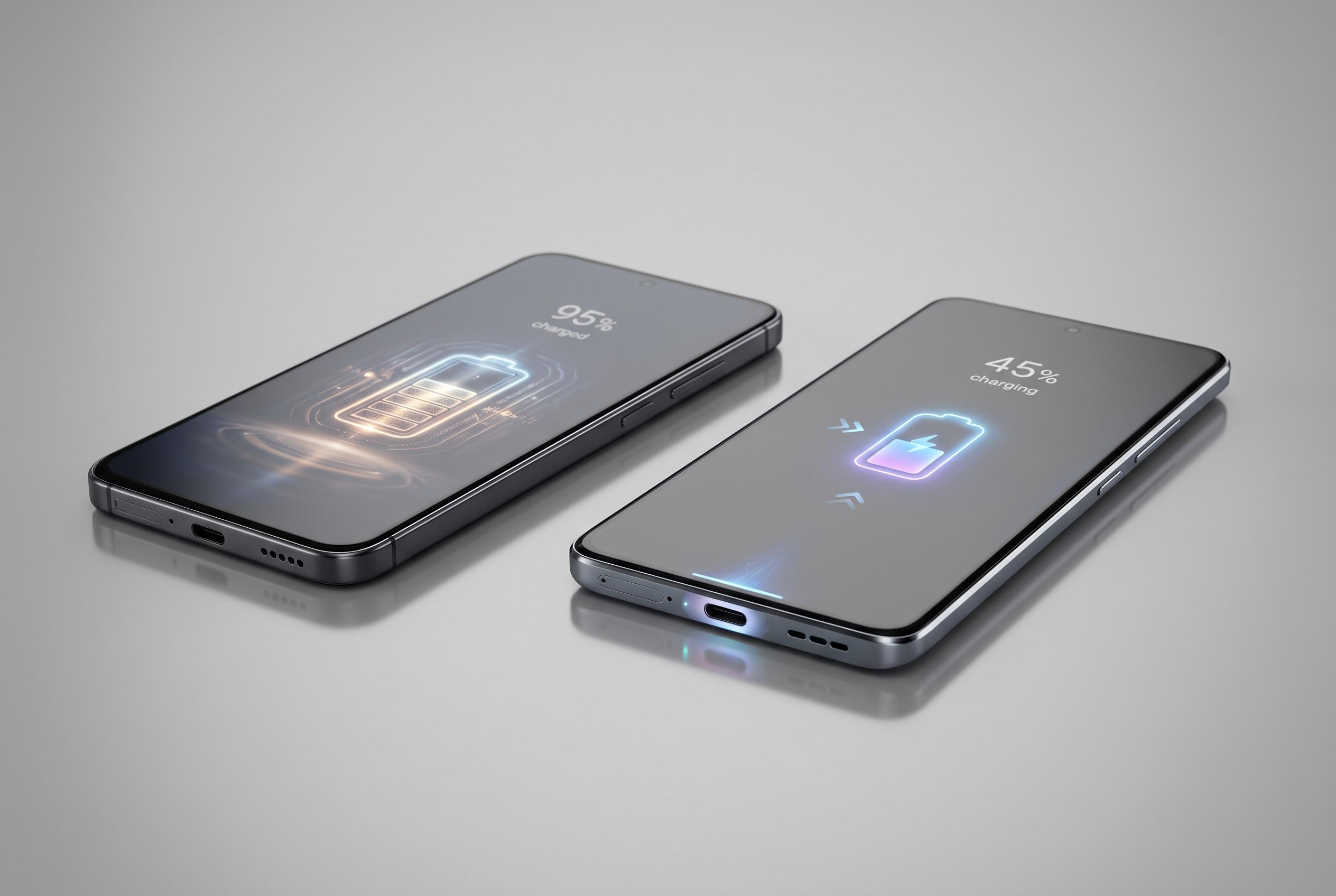

The Poco X8 Pro offers superior battery capacity, faster charging, and better performance, positioning it as the more compelling choice in the mid-range smartphone market despite Motorola’s lighter design and brighter display.
Motorola and Xiaomi have both pushed fresh mid-range phones into the market this year, but they are aimed at slightly different buyers. According to the launch details, the Motorola Edge 70 Fusion Plus focuses on a thinner body, a 144Hz display and a triple-camera system, while the POCO X8 Pro leans on a larger battery, faster charging and a stronger chipset. On paper, that makes the Xiaomi model the more aggressive value play, but Motorola’s device still has several clear advantages.
The design difference is immediate. Motorola uses a lighter build with plastic sides and a textured rear panel, while Xiaomi opts for aluminium edges and a glass back. Both phones carry IP68 and IP69-level protection, but the POCO adds IP69K support and Gorilla Glass 7i on both sides, which gives it a more premium finish. The Motorola is slimmer and lighter at 177g, compared with the POCO’s 201.5g, although the Xiaomi handset is still only moderately thicker.
Screen specifications also separate the two. The Edge 70 Fusion Plus has a 6.8-inch P-OLED panel with a 144Hz refresh rate and a quoted 5,200-nit peak brightness. The POCO X8 Pro uses a smaller 6.59-inch AMOLED display with a 120Hz refresh rate, Dolby Vision and 3,500 nits of peak brightness. In practical terms, Motorola offers the smoother panel and the brighter headline number, while Xiaomi adds broader HDR support.
Performance is where the POCO makes its strongest case. Motorola has fitted the Snapdragon 7s Gen 4, paired with 12GB of RAM and 256GB of storage. Xiaomi counters with the Dimensity 8500 Ultra, available with up to 12GB of RAM and 512GB of storage. Recent launch coverage from Gadget360 and Notebookcheck describes the Motorola as a competent upper-midrange phone, but the POCO’s chip is positioned higher and should deliver better results in demanding apps and games.
Camera hardware follows the same pattern. Motorola’s rear array includes a 50MP main camera, a 50MP ultrawide and a 10MP telephoto lens with 3x optical zoom, plus a 50MP selfie camera. Xiaomi keeps things simpler with a 50MP main camera and an 8MP ultrawide, alongside a 20MP front camera. Both record video at up to 4K and 60fps, but Motorola’s telephoto lens gives it more flexibility for portraits and distance shots.
Battery and charging are another clear win for the POCO. The Edge 70 Fusion Plus carries a 5,200mAh cell with 68W charging, while the X8 Pro offers a 6,500mAh battery with 100W wired charging and 27W reverse charging. Xiaomi has also promised longer software support, with four major Android upgrades and six years of security patches, compared with Motorola’s three major updates and five years of security support. In pricing, the POCO launched far higher in Brazil but is now available for roughly R$2,200, versus about R$2,400 for the Motorola. That leaves the Xiaomi model as the better all-round package for most buyers, even if the Motorola remains the more balanced choice for those who want a lighter phone, a brighter display and a telephoto camera.
Disclaimer: This content is intended for informational purposes only. Readers are advised to exercise their own judgement, conduct due diligence, or consult a qualified expert before acting on any information provided.