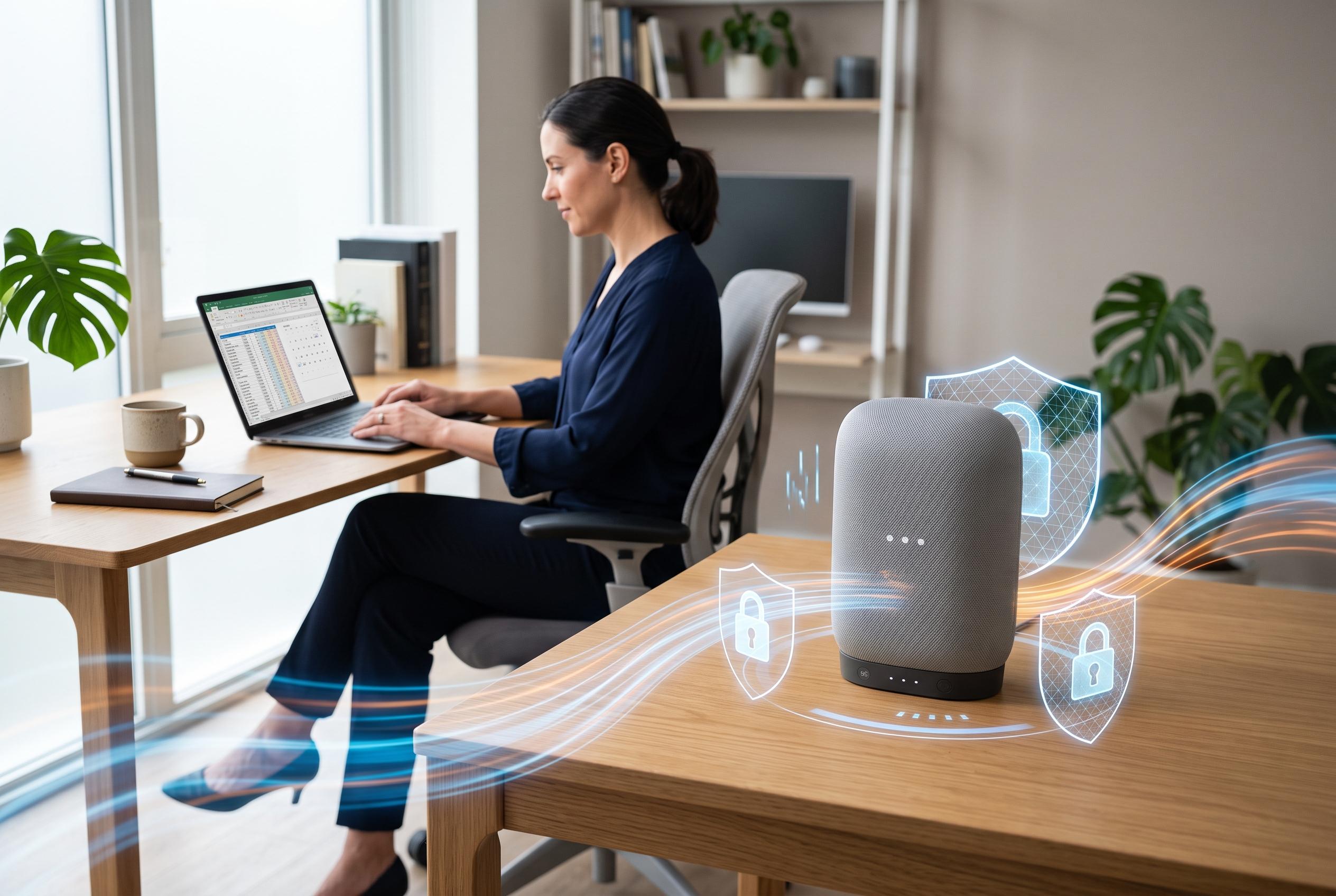

While designed to respond only to wake words, Amazon’s Alexa continues to face criticism over voice recordings, third-party data collection, and regulatory investigations, prompting calls for greater user control.
Amazon Alexa is designed to react to a wake word, not to stream every conversation to Amazon by default. Echo devices keep listening locally for that trigger phrase, then send only the relevant audio to Amazon’s cloud for verification and processing. In practical terms, the system is built around passive wake-word detection, short local audio buffers and cloud-based speech recognition, which is how Alexa can answer questions, control smart-home devices and carry out other commands.
That does not mean the privacy risk is negligible. According to the CyberGhost VPN explainer, Amazon retains voice recordings and transcripts from Alexa interactions and may use them to improve services and advertising. It also notes that Alexa Skills, the third-party add-ons that extend the assistant’s functions, can collect additional data, including location details, contact information and transcripts, depending on the service.
The bigger concern is that the wake-word system is not perfect. Misheard phrases or audio from a television, video or other nearby source can trigger an unintended recording. The CyberGhost article says Amazon also uses human reviewers for some anonymised snippets to check transcription quality and improve accuracy in difficult listening conditions, including accents and background noise. That makes Alexa more capable, but it also expands the number of people and systems that may handle user data.
Regulators have also scrutinised Amazon’s handling of Alexa data. The Federal Trade Commission and the Justice Department alleged in 2023 that Amazon kept children’s voice recordings and geolocation data for too long, did not properly honour some deletion requests and used some of the data to train its systems. The FTC later said Amazon failed to protect users’ and children’s privacy, and the Justice Department said Amazon agreed to injunctive relief and a $25 million civil penalty to resolve the case.
For users who want more control, the options are limited but useful. Muting the microphone on an Echo device is the most direct way to stop it from listening for the wake word. Amazon also lets users review and delete stored recordings in the Alexa app or privacy settings page, including automatic deletion after a chosen period. Turning off additional processing and disabling unused Skills can reduce the amount of data shared beyond the device itself. The basic trade-off is unchanged: Alexa is built to listen enough to work, but users can still limit how much of that listening is stored, reviewed or shared.
Disclaimer: This content is intended for informational purposes only. Readers are advised to exercise their own judgement, conduct due diligence, or consult a qualified expert before acting on any information provided.