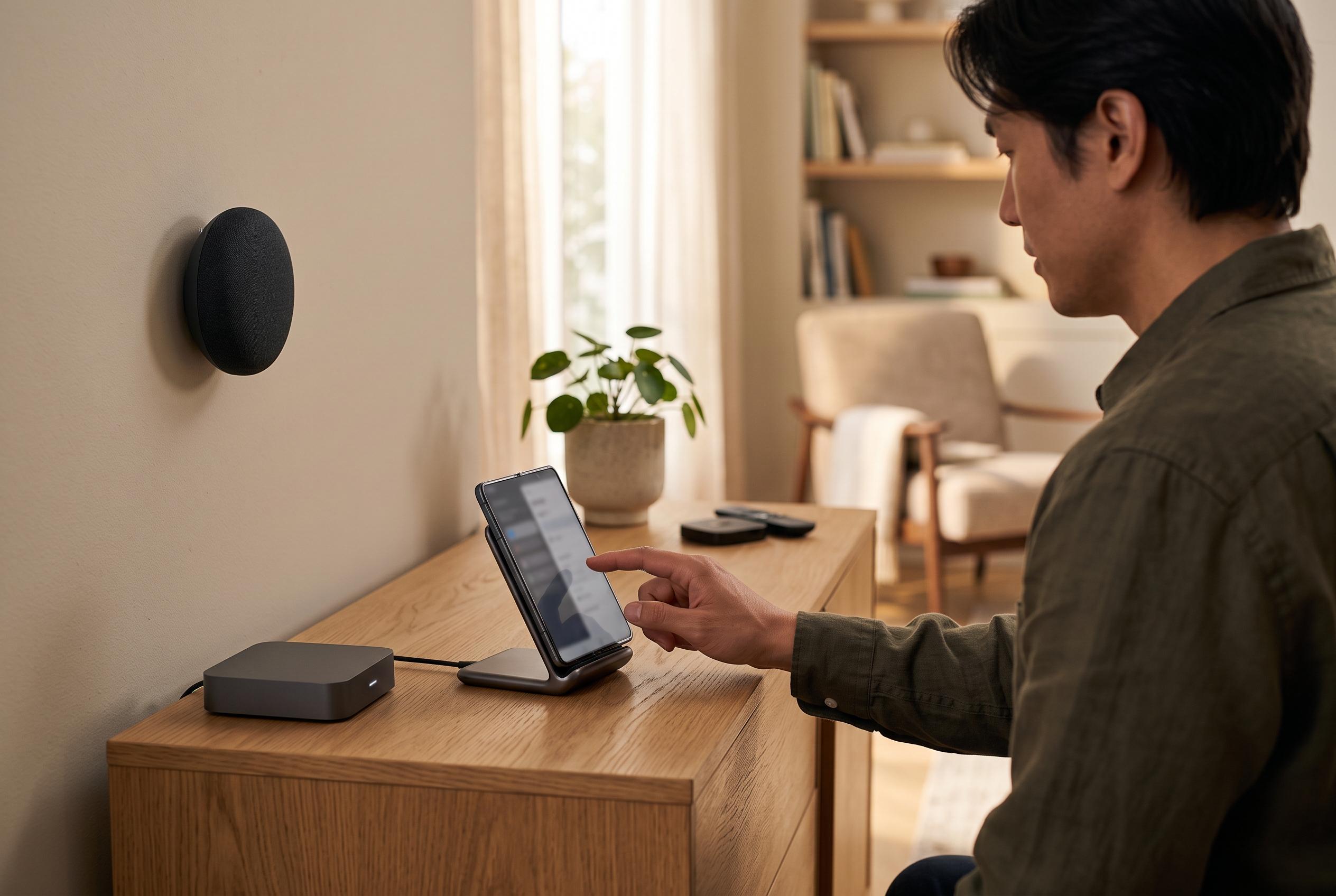

Despite spotlighting AI features and a foldable iPhone Duo, Apple’s silence on a dedicated smart display reveals a strategic pause amid market uncertainties and product costs.
Apple’s latest event was meant to underline its push into artificial intelligence, but for many home-technology watchers, the more notable omission was a dedicated smart display. The company spent much of its “Surprise and Shine” presentation talking up the iPhone and the new iPhone Duo as personal hubs for AI, including a refreshed Siri, yet it gave no sign of the home device many had expected. For readers following Apple’s long-rumoured smart home plans, that silence was more revealing than any announcement.
The absence was especially striking because expectations had been building for months that Apple would finally unveil a screen for the kitchen counter or bedside table, with facial recognition and flexible mounting options among the features being discussed in industry reports. Instead, Apple’s closest answer was the iPhone Duo itself, which can be propped up in a tent-like position and used for simple tasks such as checking a calendar or alarm. According to Apple, it is the largest iPhone display the company has ever built, but at $1,999 it sits in a very different category from the cheaper, always-on products already sold by Amazon and others.
Apple’s own announcement describes the Duo as its first foldable iPhone, with a 7.6-inch inner Super Retina XDR display, a 5.4-inch outer screen, Apple Pencil support and an under-display front camera. It will be available for pre-order from 16 October and on sale from 23 October. Those specifications make it a flagship handset, not a household display designed to live permanently on a shelf, wall or table.
That distinction matters. A true smart display needs bigger speakers, always-available voice control and software that can handle shared household tasks without feeling like a phone in disguise. Apple’s Siri AI may eventually move in that direction, but the company has not yet shown the kind of home-screen integrations that rivals already offer. One likely explanation is timing: Apple may still be testing the Duo’s appeal, while also waiting for Siri’s AI features to mature. Another is cost. Apple has been burned before by premium home hardware, most notably the original HomePod, and it may be wary of launching another expensive product into an already crowded market.
Disclaimer: This content is intended for informational purposes only. Readers are advised to exercise their own judgement, conduct due diligence, or consult a qualified expert before acting on any information provided.