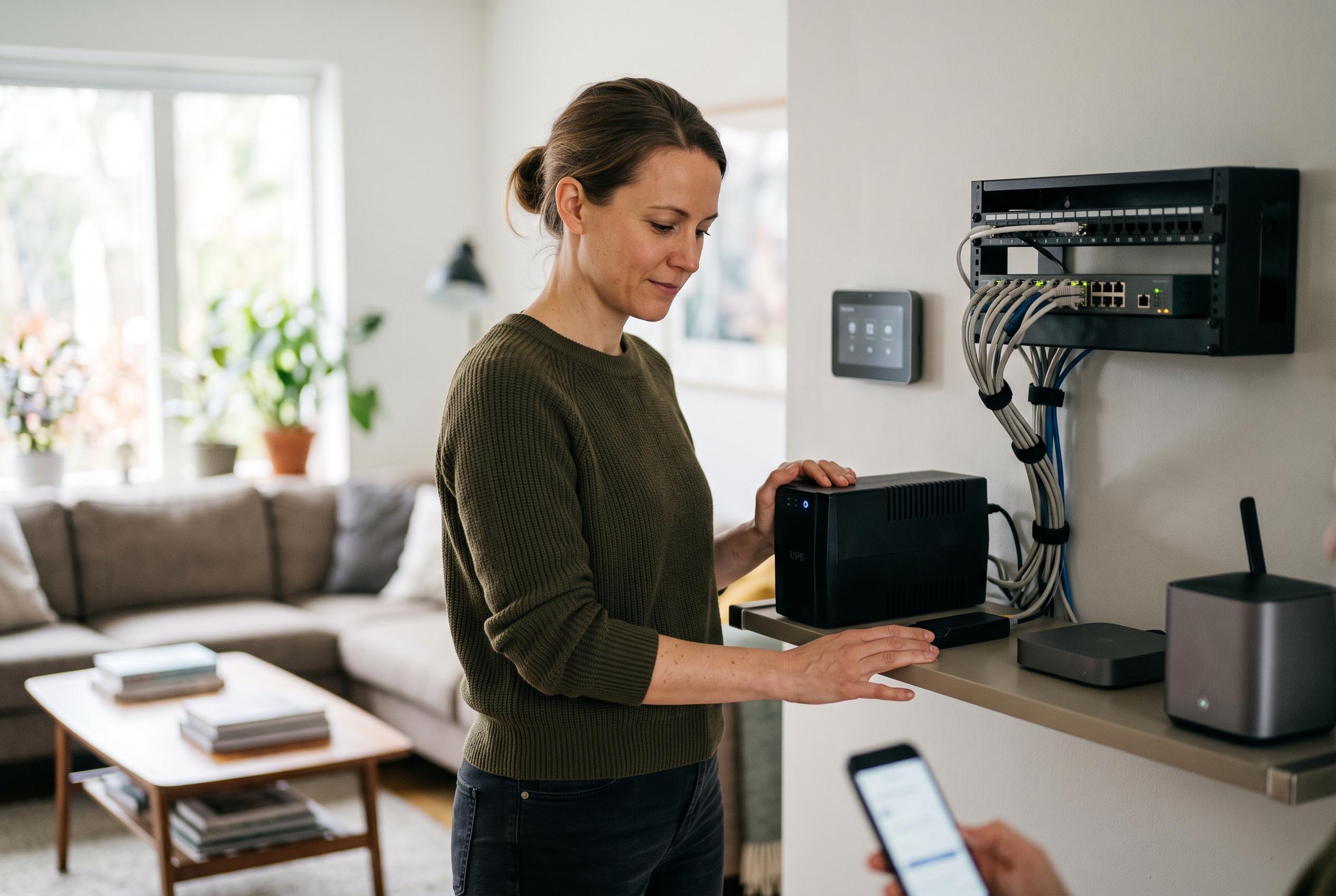

Experts warn that the success of a smart home depends on a solid foundation, prioritising stable networking, local control, and thoughtful design over complexity and convenience, to avoid common pitfalls and ensure enduring functionality.
Most smart homes do not fail because the technology is useless. They fail because the system is assembled without a clear plan, then asked to work across too many apps, too many cloud services and too many weak points. HomeTechHacker argues that the real problem is not the gadgets themselves, but the absence of a stable foundation, and that view is reinforced by other guides on smart-home reliability which point to connectivity, integration and network design as the most common sources of trouble.
The first mistake is treating the home as a shopping list. A better approach is to begin with the outcome you want: stronger security, lower energy use, easier lighting, more convenient climate control or help with repetitive tasks. HomeTechHacker says the system should also work for everyone in the household, not only for the person who set it up. That means keeping ordinary controls intact, so a light still works from the wall and a lock still has a dependable manual fallback.
The next decision is how much complexity the household can realistically support. For some people, a simple platform with minimal upkeep will be enough. For others, a more advanced local system offers greater flexibility, but it also demands more time and technical attention. Related best-practice guides make the same point in different language: choose the level of sophistication that matches the home, not the one that looks most impressive on paper.
Networking sits underneath all of this. TechTastic, SmartHomeCompared and FutureTechExpert all stress that poor Wi-Fi coverage, weak placement of access points and overreliance on wireless links are among the most common reasons smart homes become unreliable. HomeTechHacker goes further by treating the network as core infrastructure, not an accessory. In practice, that means prioritising coverage and stability over headline internet speed, using wired connections where possible, and planning for growth before the device count becomes unwieldy.
The article also makes a strong case for anticipating failure rather than pretending it will not happen. Power cuts, router faults, dead batteries, broken automations and cloud outages are all part of normal life in a connected house. The most resilient systems keep essential services running when one layer disappears. That may mean backup power for network gear, a secondary internet connection for important households or simply ensuring that lights, locks and heating still function in a basic way without the cloud.
Local control is another dividing line. HomeTechHacker prefers devices and automations that continue to work inside the home, even when the internet is down. That reduces dependence on vendor servers and lowers the risk that a subscription change, service shutdown or cloud outage will break everyday functions. The article notes that this is especially important for security, access and climate control, where reliability matters more than novelty.
Security and privacy are presented as design decisions, not afterthoughts. The advice is straightforward: use unique passwords, enable multi-factor authentication, update firmware, limit unnecessary internet access and segment devices where practical. Smart cameras, microphones and occupancy sensors can reveal a great deal about household behaviour, so the system should collect only what it needs and nothing more. Regular maintenance matters too, because batteries fail, device names change, automations drift out of date and unattended systems gradually become harder to trust.
The broader lesson is restraint. A good smart home should fade into the background. It should solve real problems, preserve manual control and avoid excessive notifications. When it works well, the household does not need to learn its logic or constantly intervene. That is the standard HomeTechHacker sets: a home that feels ordinary to live in, even if a great deal of automation is happening quietly behind the scenes.
Disclaimer: This content is intended for informational purposes only. Readers are advised to exercise their own judgement, conduct due diligence, or consult a qualified expert before acting on any information provided.