
Homeowners can enhance their property’s safety with simple, budget-friendly measures such as reinforced locks, motion-activated lights, and smart devices, all avoiding costly contracts and professional installation.
Keeping a home secure does not require a costly contract or a permanently installed package. The main case for do-it-yourself protection is straightforward: by identifying weak points and layering inexpensive deterrents, homeowners can make a property harder to target without committing to long-term fees. That approach is reflected in HomeTechHacker’s guide, which argues that practical, low-cost measures can improve peace of mind as well as physical security.
The first step is a basic inspection of the property. Doors and windows matter most, especially ground-floor openings, sliding glass panels and any entrance that cannot be seen clearly from the street. Strong locks, a deadbolt on the main door and added protection for vulnerable windows all help. So does checking the outside of the house for poor lighting, concealed approaches and overgrown planting that could hide an intruder.
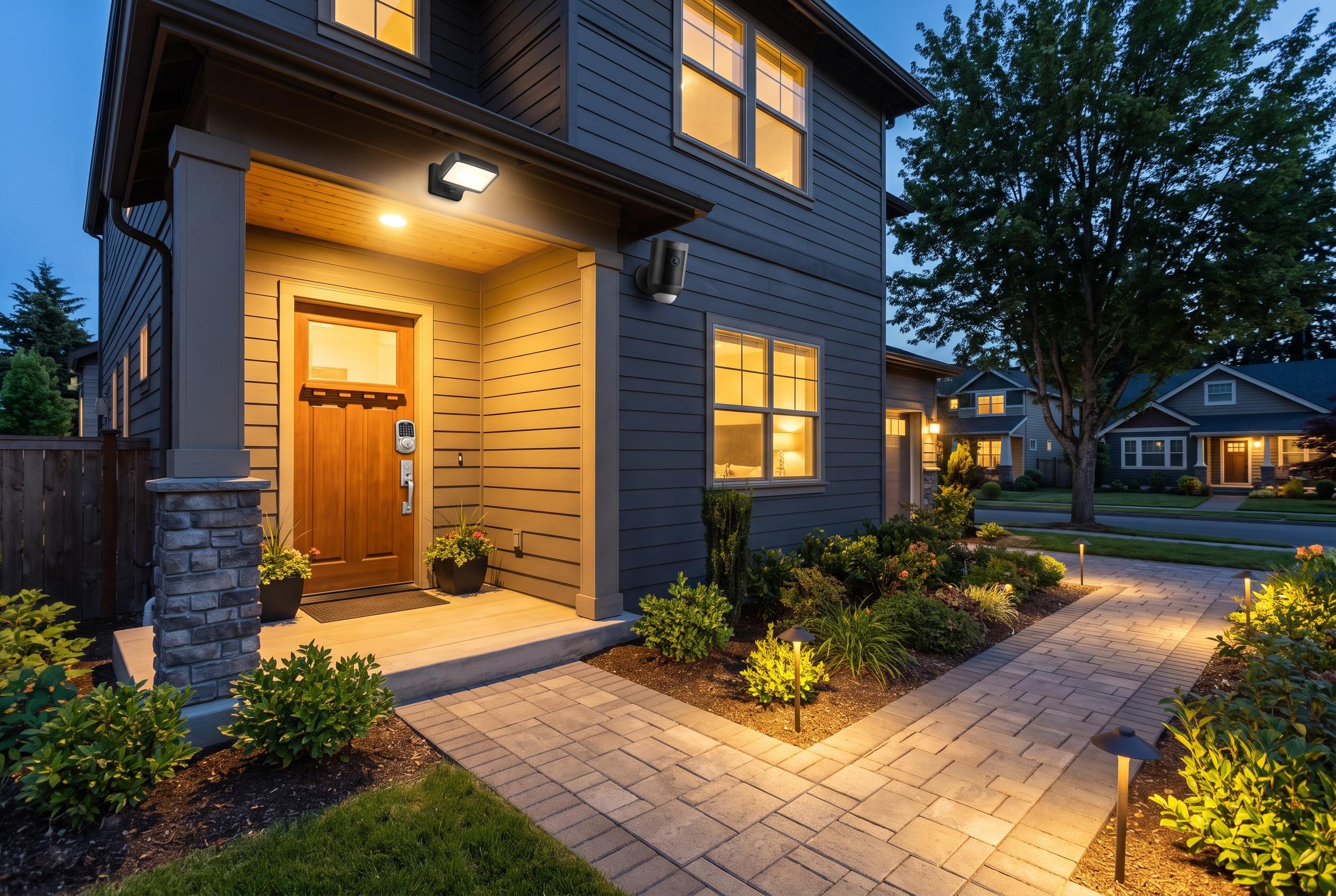
Simple physical improvements often deliver the best value. Longer screws in the strike plate can make a door harder to force open, while security film can make window glass more difficult to break. Motion-activated lights are a low-cost deterrent for driveways, side paths and gardens. Inside the home, timed lamps can create the impression that someone is present. Some homeowners also use thorny shrubs below accessible windows as a natural barrier.
Affordable alarm hardware has also become easier to use. Ooma says its wireless home security system can be installed without professional help, uses a mobile app and includes door and window sensors as well as motion detectors. Its DIY package is marketed as a cheaper alternative to traditional monitored systems, while A3 Smart Home offers custom kits that range from perimeter protection to packages with video doorbells and smart features. Swann, meanwhile, promotes no-monthly-fee systems with cameras, night vision and limited cloud storage. Tom’s Guide has also highlighted budget-friendly DIY brands such as Abode, Wyze, SimpliSafe, Ring Alarm, Arlo and others as practical options for different homes and budgets.
A visual security presence can be useful even when the underlying equipment is modest. Dummy cameras, warning stickers and security signs may discourage opportunistic intruders by creating uncertainty. A neat exterior matters too. Trimmed hedges, mown grass and rubbish kept out of sight all suggest that the property is watched and occupied. For many burglars, that is enough to move on.
Smart devices can add another layer without bringing back recurring charges. Video doorbells and cameras can send alerts to a smartphone and allow live viewing from anywhere. Models with local storage, such as microSD support, reduce dependence on cloud subscriptions. Ooma, Swann and other suppliers also emphasise app control, remote monitoring and wireless setup. The main caution is cyber security: connected devices should be kept on secure home networks, with strong passwords and updated firmware. Used together, these measures can create a flexible security system that grows with the budget.
Disclaimer: This content is intended for informational purposes only. Readers are advised to exercise their own judgement, conduct due diligence, or consult a qualified expert before acting on any information provided.