

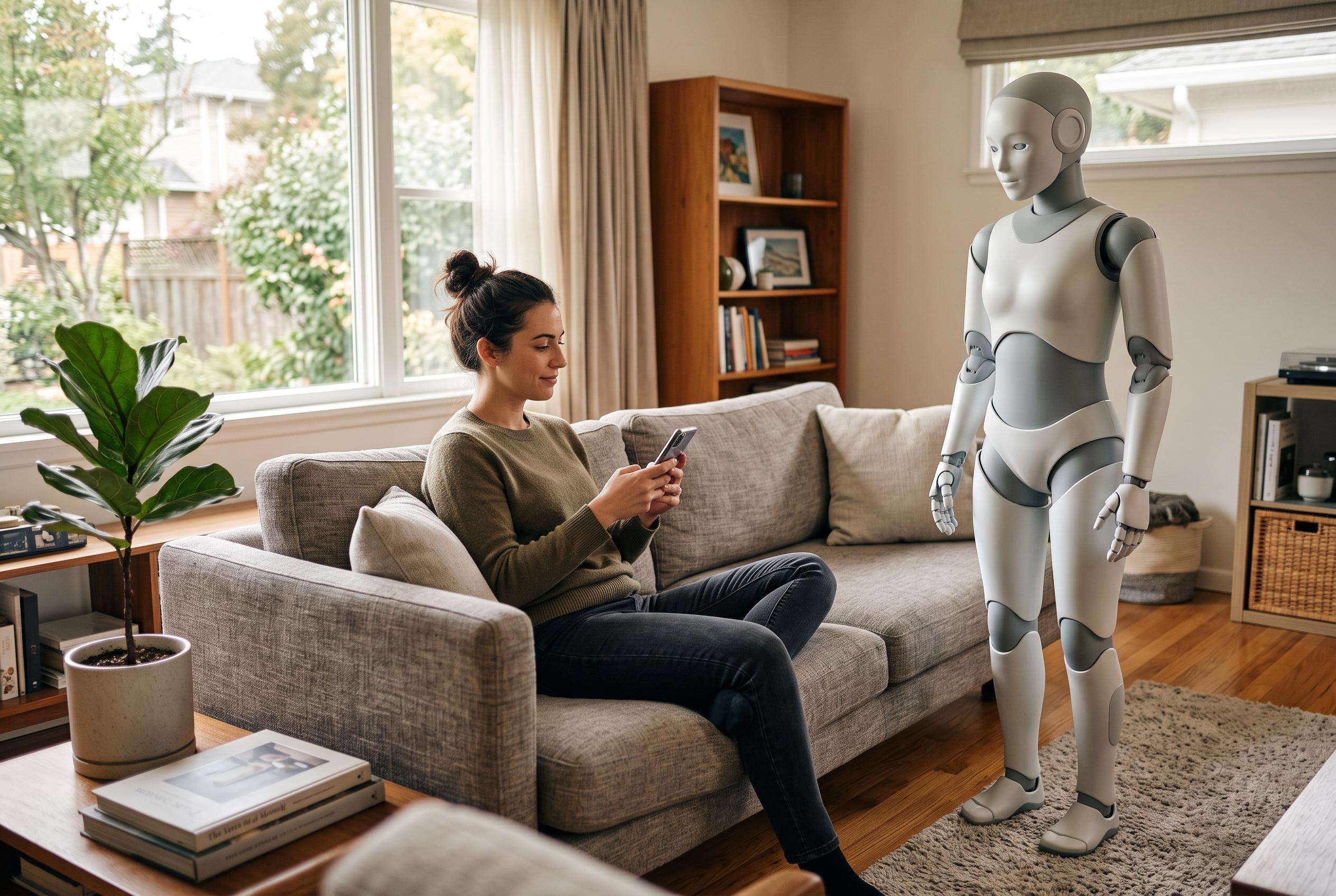

A security investigation found that Eiliko robot companions exposed millions of conversations and detailed user profiles, while weak controls allowed researchers to manipulate what at least one device said.
A security researcher has found that Energize Lab’s Eiliko robot companions could expose intimate user data at scale and, in some cases, be remotely manipulated to say things their owners never intended. According to reporting by The Verge, Sammy Azdoufal was able to reach millions of stored conversations, retrieve user profiles and alter what at least one device said, raising serious questions about how the toy collects, stores and secures children’s and adults’ conversations.
The exposure was not limited to chat logs. The Verge said the system had assembled detailed profiles from user interactions, including names, ages, birthdays, occupations, relationship details and inferred personality traits. In one example cited by the report, a profile described a 52-year-old customer service worker as kind, empathetic and hardworking, while also noting isolation and mistrust within the family. That kind of profiling could make users more vulnerable to scams, doxxing or other forms of manipulation, especially when the underlying data links emotional disclosures with contact information and network identifiers.
The scale of the exposure was also striking. The Verge reported that Azdoufal could access around 13 million conversations across what appeared to be the active fleet of 68,000 Eiliko devices, with the United States accounting for the largest share of records and more than 31,000 children’s profiles among them. Separate reporting by Malwarebytes and other outlets echoed those findings, saying the exposed data also included photos and audio recordings stored at public web addresses, apparently contradicting Energize Lab’s privacy policy, which says recordings are encrypted, sent to service partners for processing and then deleted.
More troublingly, Azdoufal demonstrated that the weaknesses went beyond passive data access. The Verge said he could change memory on the reporter’s device and influence its language model so that the robot made false claims, including asserting that the Earth was flat and inventing personal details about the user. In a later test, the robot was made to issue sexually explicit and coercive commands after being reconnected to the internet. While some safety filters still appeared to work on certain prompts, the findings suggest that the system’s guardrails were not enough to prevent deeper tampering.
The investigation also pointed to broader operational failures. The Verge said some administrator passwords were weak and easily guessed, while the company’s communication with the reporter and researcher was largely unresponsive despite repeated attempts over more than a month. Other reports said the devices can store conversations on servers in China, adding another layer of concern for users who may not realise how widely their data is distributed. Taken together, the findings show the risks that arise when a child-facing companion device combines always-on audio capture, cloud processing and poor access controls.
Disclaimer: This content is intended for informational purposes only. Readers are advised to exercise their own judgement, conduct due diligence, or consult a qualified expert before acting on any information provided.



