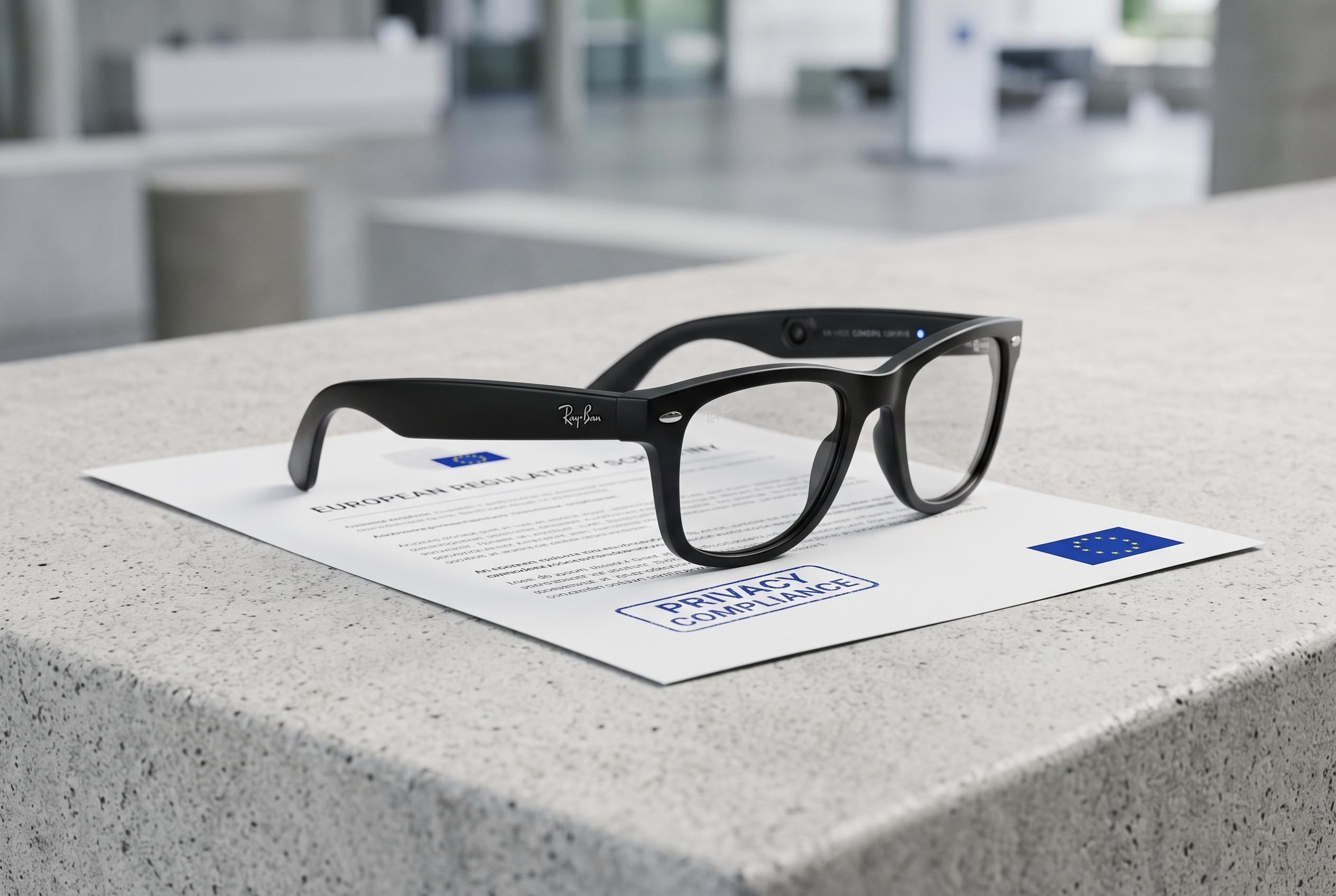

European countries including France, Germany, and the Netherlands are assessing whether Meta’s smart glasses comply with privacy laws amidst growing concerns over surveillance, facial recognition, and transparency. The debate comes as the wearables move towards mainstream adoption, with potential legislative and regulatory impacts across Europe.
European regulators are weighing whether Meta’s smart glasses should face restrictions, with France, Germany and the Netherlands among the countries examining whether the wearables comply with privacy law. The debate has sharpened as the devices become more visible and as concerns grow over how easily their built-in cameras can be used without people nearby realising they are being recorded.
The backlash is not limited to Europe. Euronews reported earlier this year that Meta was sued over claims that private footage from its AI glasses may have been reviewed by workers at a subcontractor in Kenya. Meta has said it takes customer privacy seriously and filters data before review, but the episode has added to unease around the company’s wearables strategy.
Privacy campaigners have also focused on the possibility of facial recognition. TechRadar reported that more than 70 privacy advocacy groups have urged Meta to abandon a rumoured “Name Tag” feature, warning that always-on identification tools could be abused by stalkers or other bad actors. At the same time, concerns have persisted over efforts to disable the small recording light that is meant to alert bystanders when the camera is active. Fortune and TechRadar have both reported that Meta has pushed software fixes to stop the camera if the indicator light is tampered with, but critics say the measures do not eliminate the underlying risk.
The European Data Protection Board is expected to publish a report on smart glasses by the end of the summer, which could shape a wider bloc-wide response. But some governments want action sooner. The issue comes as smart glasses move from novelty to mainstream consumer electronics, with Samsung expected to join the market in the coming months and smaller rivals such as Rokid and L’Atitude already in the field. Gizmodo has also reported that Meta’s glasses face other European regulatory questions, including rules around repairability and batteries, even as another report from UC Today said the European Commission has exempted connected wearables from the bloc’s removable battery rules.
Disclaimer: This content is intended for informational purposes only. Readers are advised to exercise their own judgement, conduct due diligence, or consult a qualified expert before acting on any information provided.