
The Federal Communications Commission has widened its restrictions to include advanced robotic systems and foreign-produced power inverters, raising questions about the future of imported smart appliances and connected devices in the United States amid growing security concerns.
The Federal Communications Commission has widened its national-security restrictions to cover a new class of foreign-made consumer and industrial devices, including advanced robotic systems and connected power inverters. In practical terms, that move has raised questions about whether imported robot vacuums, delivery bots and similar products can still be sold in the United States if they fall within the agency’s new definition.
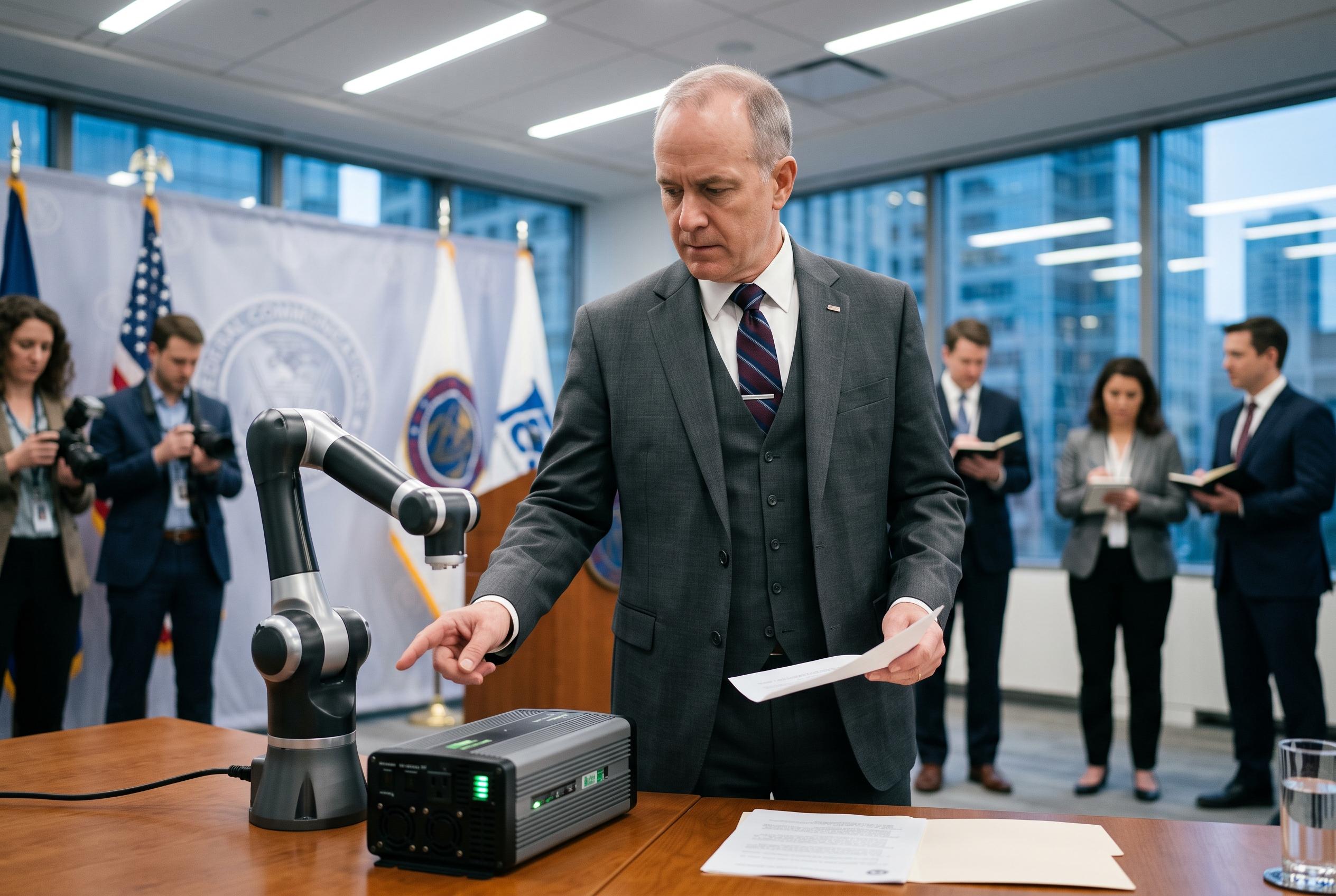
According to the FCC’s July 28 announcement, the rule adds “advanced robotic devices” and foreign-produced power inverters to its Covered List, a register of equipment deemed too risky to receive authorisation for import, marketing or sale. The agency said the decision followed findings from a White House-convened interagency body that concluded the products could create unacceptable risks to national security and the safety of U.S. persons.
The robotic-device category is broad. It covers mobile machines with the ability to move on the ground, avoid obstacles or navigate autonomously, which means some robot vacuums meet the test. FCC deputy communications director Will Wiquist confirmed to USA Today that the restriction includes robot vacuums. Companies including iRobot, SharkNinja, Dyson, Roborock and Ecovacs make or assemble many of these products outside the United States, though existing models already on shelves are not immediately affected, according to Consumer Reports.
Industry reporting from Tom’s Guide and Tom’s Hardware says the rule is aimed chiefly at new imports and products seeking fresh FCC approval, not at devices already authorised for sale. Tom’s Hardware also noted that the commission has been extending its national-security scrutiny to drones and other connected hardware, while Tom’s Guide reported that manufacturers may need to seek waivers or shift production domestically if they want to keep selling affected devices in the U.S. iRobot said it is working with the FCC to understand the rule’s implementation and potential impact, while the Consumer Technology Association has argued for a more targeted approach that preserves innovation and consumer choice.
The power-inverter side of the decision has its own implications. According to industry analysis published by Mayer Brown and Public Power, the FCC said foreign-produced inverters can create cyber vulnerabilities in the electricity grid because they are remotely connected and may be exposed to interference, surveillance or shutdown. Existing authorised inverters are not affected, but utilities and other buyers looking for new equipment may have to source domestically made alternatives.
Disclaimer: This content is intended for informational purposes only. Readers are advised to exercise their own judgement, conduct due diligence, or consult a qualified expert before acting on any information provided.