

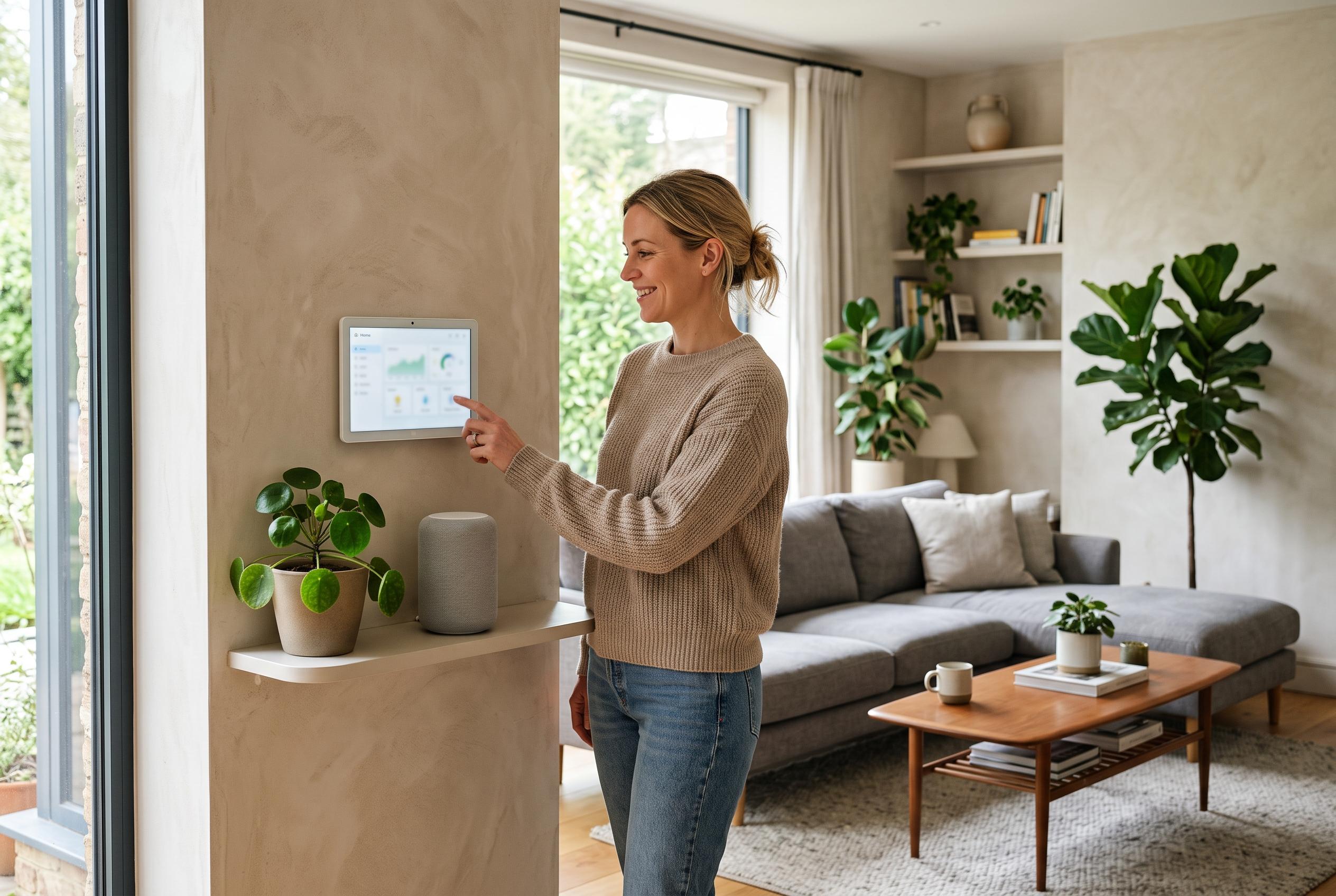

Home Assistant is showing that local control, privacy and open-source flexibility can coexist with the polish and reliability expected from mainstream smart-home platforms.
Home Assistant has become a rare example of open-source software that feels complete rather than compromised. At its core, it is a home automation platform built around local control and privacy, designed to keep data inside the user’s network and reduce reliance on cloud services. That approach gives it a very different character from many proprietary smart-home systems, where basic functions can depend on a company’s servers remaining online and a vendor’s policies staying unchanged.
The practical benefit is independence. In a Home Assistant setup, lights, sensors, cameras, switches and other devices can continue to work even when the internet is unavailable, provided the hardware and protocols support local operation. The platform is built to integrate a wide range of devices and services, and its value lies less in any single feature than in the way it brings disparate products into one control layer.
Flexibility is another part of its appeal. Home Assistant can run on dedicated hardware, including compact appliances such as Home Assistant Green, as well as on Raspberry Pi systems, virtual machines, older x86 computers and container-based installations. That breadth matters because it allows both beginners and technically inclined users to choose the level of complexity they want, rather than forcing everyone into the same setup.
The software’s interface has also become more approachable. Recent development has focused on making dashboards, automations, backups and voice-assistant configuration easier to manage in the browser, while still preserving access to deeper tools such as YAML, templates, scripts and custom integrations. The result is a system that can be used visually at first and then extended in much finer detail as requirements grow.
Part of that ecosystem comes from the wider community around the project. The Home Assistant Community Store expands what the platform can do through third-party integrations and interface components, while the broader open-source home-automation landscape shows how strongly users now value local-first systems that do not depend on subscriptions or vendor cloud services. Other projects in the field, from fully local automation stacks to hardware-focused platforms, point in the same direction: reliability, privacy and user control are becoming central design goals.
What keeps Home Assistant notable, however, is that it has scale as well as ideals. It is supported by a large contributor base and governed through the Open Home Foundation, which frames the project around privacy, choice and long-term sustainability. That structure helps explain why the platform has avoided the stagnation that often affects community software once it becomes popular.
It is not flawless. Updates can expose compatibility problems, community components can fail, and building a polished system still takes time. Yet those are the costs of openness, not the penalties of lock-in. Home Assistant shows that open source can be both technically ambitious and genuinely dependable when it is backed by enough contributors, disciplined design and a clear public purpose.
Disclaimer: This content is intended for informational purposes only. Readers are advised to exercise their own judgement, conduct due diligence, or consult a qualified expert before acting on any information provided.



