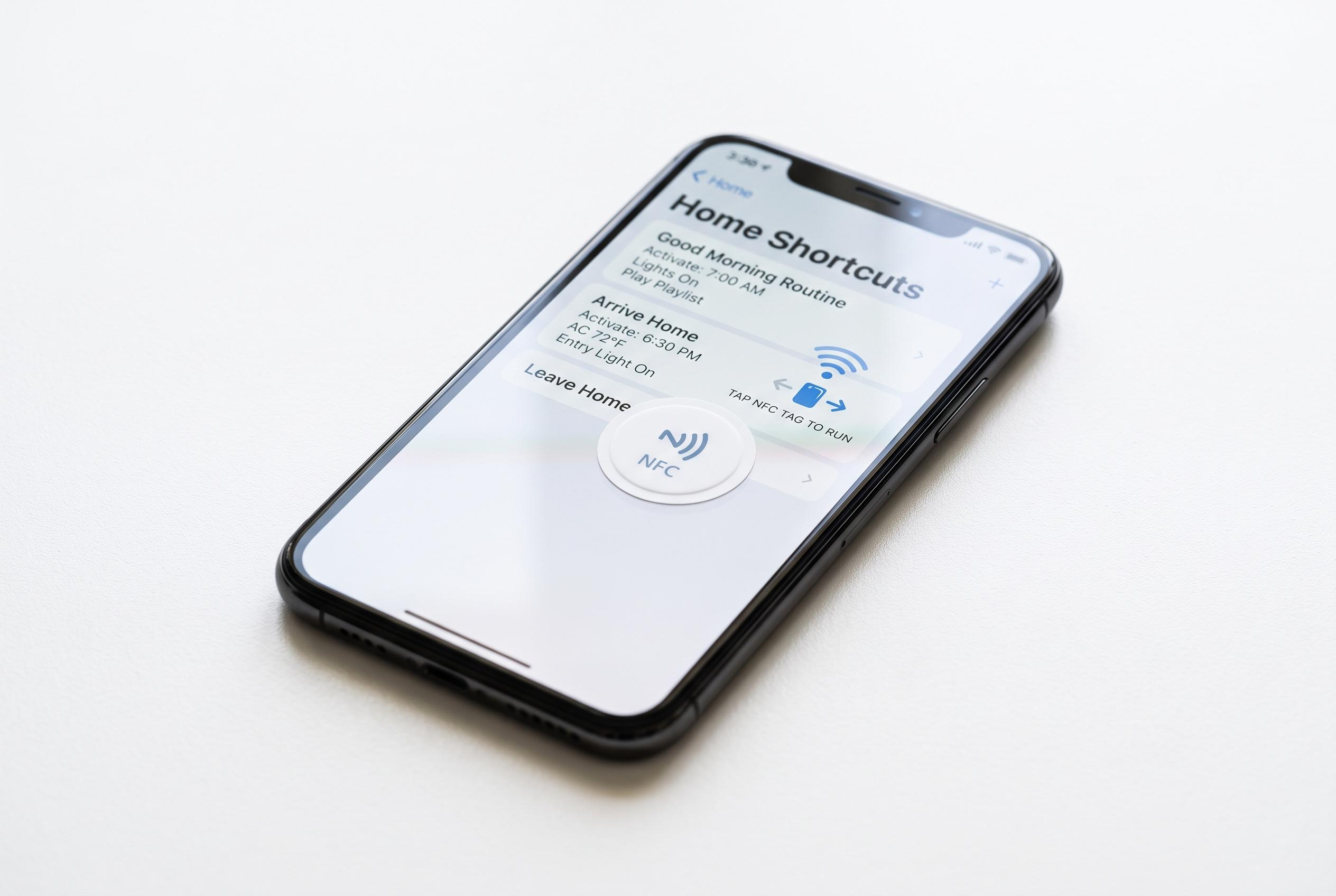

NFC tags, once considered mere novelties, are increasingly vital tools for simplifying daily tasks across smart devices, workspaces, and hobby management by enabling quick, customised routines with a tap.
NFC tags are not glamorous, but they are useful precisely because they remove small, repeated decisions from daily life. In a home filled with smart devices, a sticker near a door, bed or desk can act as a physical shortcut to an automation that would otherwise be buried in an app. The result is less friction and fewer forgotten tasks.
One practical use is for leaving the house. A tag by the front door can trigger a routine that switches off lights, powers down air conditioning and arms security cameras. The same tag can also run a different routine on return, allowing the home system to distinguish between departure and arrival. It is a simple fix for a common problem: people often remember the intention, but not the tap in the app.
The same approach works well at night. A bedside tag can launch a bedtime routine without forcing someone to pick up a phone and navigate menus in the dark. In the setup described, that means shutting down bedroom lights, arming climate controls and selecting the right room state in one motion. It is a small convenience, but one that matters when the goal is to make an end-of-day routine almost automatic.
NFC tags are also useful at a desk. A tag on a wireless charger can launch work mode during the day and adjust lighting to suit the time. As the daylight changes, the system can shift colour temperature and brightness to reduce eye strain. That makes the desk feel less like a collection of separate devices and more like a coherent workspace that responds to context.
The same logic extends to hobby equipment. In 3D printing, several iPhone apps now use NFC to manage filament spools, including Tag My Spool, SpoolKid and Filamuze, while open systems such as SpoolSync and SpoolSense use tags for local, self-hosted tracking. These tools can read and write spool data, track inventory and, in some cases, integrate with platforms such as Spoolman or Home Assistant. The benefit is the same: a quick tap replaces manual searching, note-taking and repeated data entry.
That is why NFC tags are more than novelty items. They are cheap, local and fast to configure, and they work best where the task is small but recurring. For people managing smart homes, workshop inventories or network notes, the tag becomes a memory aid that does not rely on memory at all.
Disclaimer: This content is intended for informational purposes only. Readers are advised to exercise their own judgement, conduct due diligence, or consult a qualified expert before acting on any information provided.