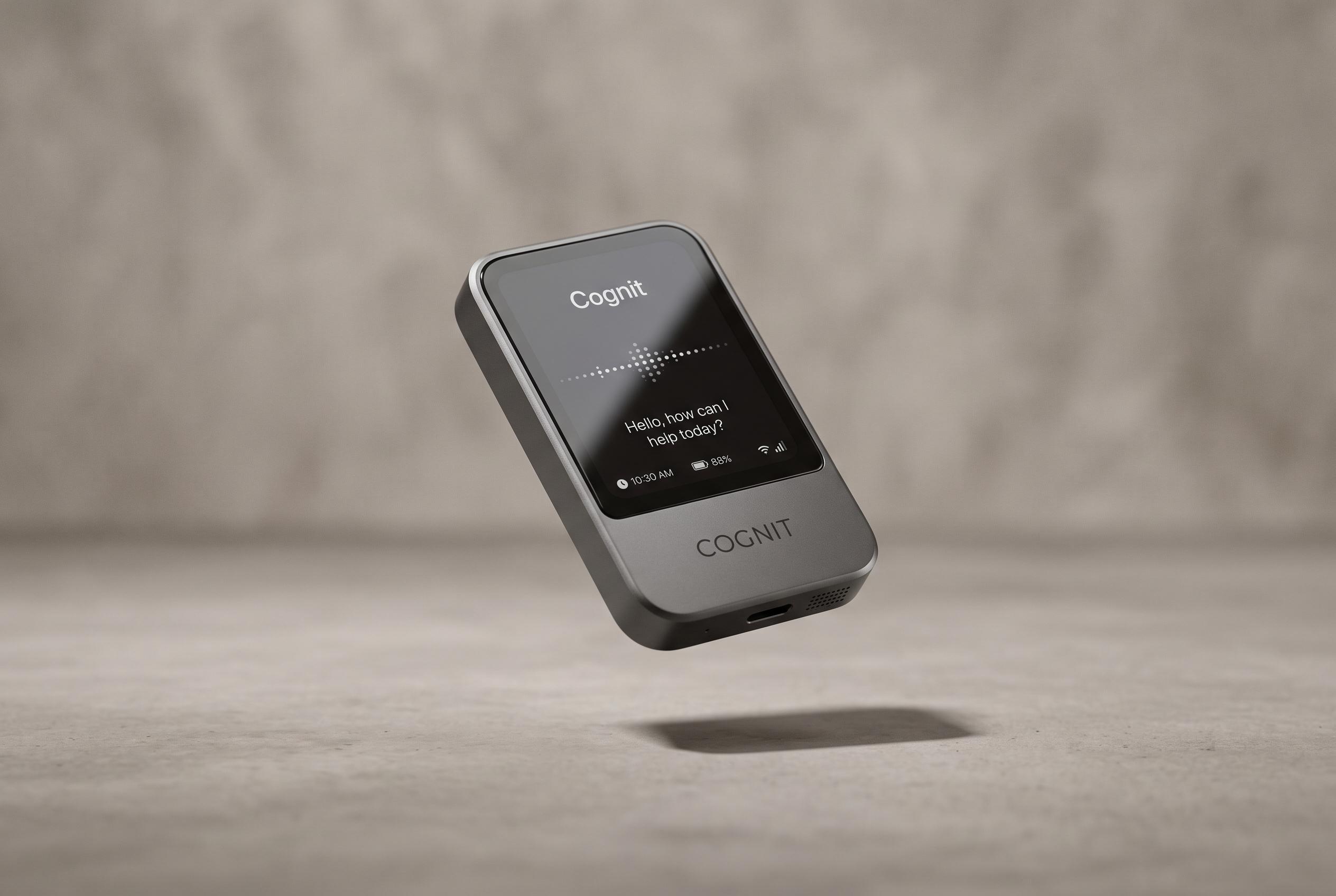

OpenAI advances into consumer hardware with a pocket-sized AI assistant designed for natural conversation, blending sleek design with machine learning, amid legal clashes with Apple.
OpenAI is moving closer to consumer hardware with a first device that, if current reporting holds, would look less like a smartphone accessory and more like a pocket-sized artificial intelligence companion. Bloomberg has reported that the product is being designed as a small, screenless unit roughly the size of a hockey puck, intended to sit in the home and respond to natural conversation rather than taps and swipes. The expected price range of $300 to $400 and a possible launch in 2027 suggest OpenAI is positioning it as a mainstream device rather than a niche prototype.
The reported concept centres on voice and context. Instead of a display, the device is expected to use microphones, speakers, cameras and other sensors to interpret the room around it and engage users in a more fluid way than today’s smart speakers, according to Bloomberg’s account. It is also said to include a rechargeable battery, moving parts and lights that signal when it is listening or replying, with the aim of making the interaction feel more natural and expressive. Business Standard’s summary of the reporting says the device is meant to learn from its owner over time, enabling increasingly personalised exchanges.
Jony Ive’s role gives the project added weight. MacRumors reported that OpenAI completed its acquisition of io Products, the startup co-founded by Ive, and folded the team into the company, while his design firm LoveFrom remains independent and is leading industrial design for the new hardware. That same reporting says former Apple designers and engineers are involved, underlining OpenAI’s effort to build a product with the kind of hardware polish usually associated with consumer electronics giants. Earlier reporting also placed the broader collaboration at about $6.5 billion.
The project arrives as OpenAI and Apple are already clashing in court. Apple has accused OpenAI of misappropriating trade secrets tied to future hardware work, while OpenAI has denied wrongdoing and said its device is unlike anything Apple currently sells, according to the reporting. Even so, OpenAI appears to be aiming beyond a single smart-speaker-style product. Earlier accounts cited by MacRumors described wider ambitions including smart glasses, wearable devices, AI pins and home robotics, part of a longer-term effort to build AI-native hardware that could eventually reduce dependence on the smartphone.
Disclaimer: This content is intended for informational purposes only. Readers are advised to exercise their own judgement, conduct due diligence, or consult a qualified expert before acting on any information provided.