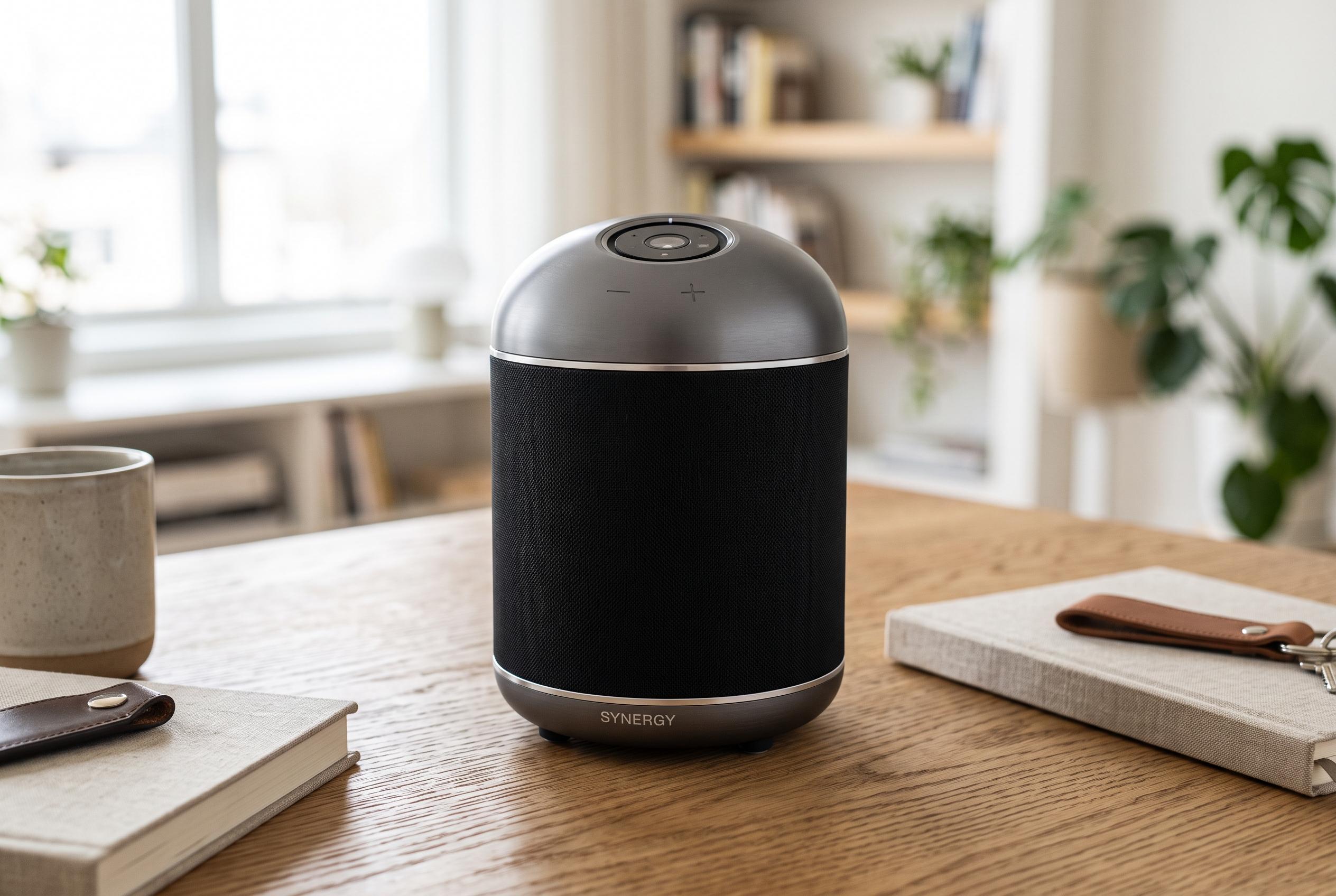

OpenAI is developing a distinctive, camera-equipped, screenless portable speaker aiming for a 2026 launch, positioning itself as a premium AI companion with potential face recognition and unique design, backed by Jony Ive’s involvement.
OpenAI’s first consumer device is taking shape as a screenless, portable speaker with a distinctive rounded form and moving parts intended to give it a more lifelike feel, according to people familiar with the project. The device is expected to be about the size of a hockey puck, with a doughnut-like outline that makes it easy to carry around the home in one hand. Industry reports say OpenAI is aiming for a product that stands apart from the conventional smart speakers sold by Amazon and Google.
The company is positioning the hardware as an AI-first computer rather than a traditional speaker, designed to help users with everyday tasks through ChatGPT. Reports from MacRumors and other technology outlets have said the device may include a camera to better understand its surroundings and could recognise faces for certain actions, including purchases. That would put it closer to a household assistant than a simple voice-controlled audio device.
Pricing appears to be another sign that OpenAI wants the product to sit above the cheapest smart-home gadgets. People familiar with the matter told the Japan Times that the device will likely cost more than $300, while earlier reporting had suggested a range of roughly $200 to $300. The higher figure would still place it within reach of premium consumer electronics, but far above entry-level smart speakers.
The project is also notable because of the role of Jony Ive, the former Apple designer whose firm LoveFrom has been working with OpenAI. Earlier reports said the device was originally expected sooner, but a trademark dispute involving audio startup iyO pushed the schedule back. The current target is 2027, with some reports suggesting OpenAI hopes to unveil the product in 2026 before broader shipping begins the following year.
OpenAI is not stopping at one device. Reports have indicated that the company is also exploring related hardware, including smart glasses and a smart lamp, as it tries to build a wider family of AI-driven products. For now, though, the first test will be whether a small, camera-equipped speaker with a more expressive design can turn ChatGPT’s software success into a consumer hardware business.
Disclaimer: This content is intended for informational purposes only. Readers are advised to exercise their own judgement, conduct due diligence, or consult a qualified expert before acting on any information provided.