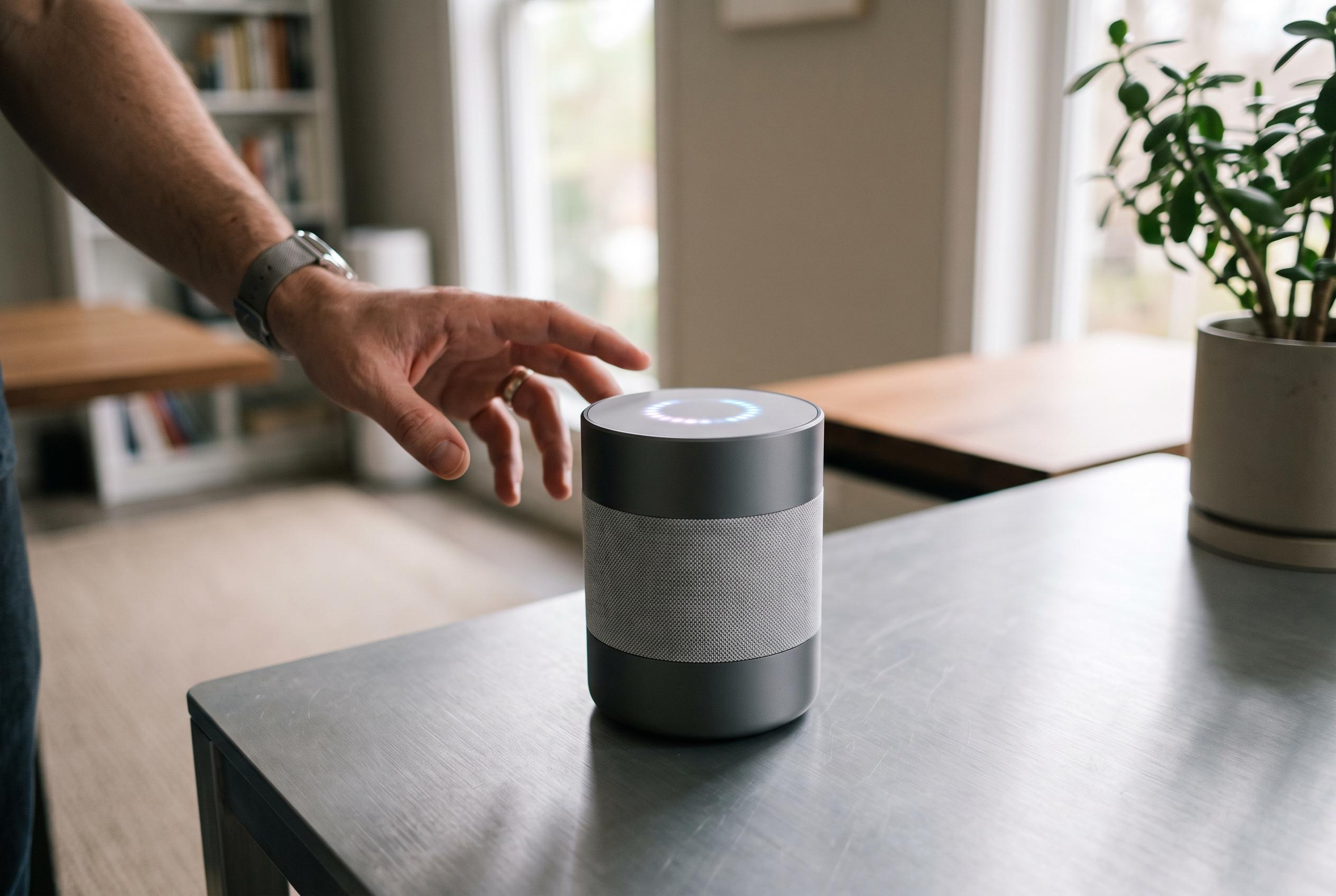

OpenAI is developing a screenless, portable speaker designed for direct voice interaction with ChatGPT, led by ex-Apple designers, in a bid to carve out a new space in the competitive smart home market amidst legal disputes and pricing challenges.
OpenAI’s hardware ambitions are beginning to take a concrete shape: a screenless, doughnut-like speaker about the size of a hockey puck, with a projected price of $300 to $400. Bloomberg reported on August 6 that the device is designed for voice-first interaction with ChatGPT, with microphones, cameras, sensors and moving parts intended to give it a more responsive, almost animated presence. The company is said to be targeting battery-powered portability rather than a fixed home hub, signalling that this is being built as a personal companion rather than a conventional smart speaker.
The device is being led by Jony Ive, the former Apple design chief, whose startup io Products was acquired by OpenAI in 2025 for $6.5 billion in stock. Bloomberg said the hardware team also includes former Apple designers Evans Hankey and Tang Tan, deepening the link between OpenAI’s consumer hardware push and Apple’s former talent pool. According to the report, the speaker will rely on GPT-Live-1, a full-duplex voice model introduced on July 8 that can listen and speak at the same time while offloading heavier reasoning to GPT-5.5 in the background.
That design direction arrives alongside a sharper legal clash with Apple. On July 10, Apple sued OpenAI in federal court in California, accusing it of trade secret theft and saying former employees had helped transfer confidential information about unreleased hardware. OpenAI responded on August 6 by asking the court to dismiss the case, calling the claims meritless. In a public post cited by Tom’s Hardware and PC Gamer, the company said Apple was “getting this wrong” and denied any interest in using Apple’s secrets.
The dispute matters because OpenAI is trying to move ChatGPT off other companies’ platforms and into a device it controls. ChatGPT currently depends on hardware made by Apple, Google and Microsoft, which means those firms can limit access or tighten integration terms. A standalone product would give OpenAI a direct presence in the home and a way to build habits around its own interface, rather than relying on apps and voice assistants controlled by rivals.
The price, however, puts the device in difficult territory. Google launched a Gemini-focused Home Speaker in June at $99, while Apple’s HomePod mini also sells for $99. Reuters has previously reported that smart speakers remain a low-margin category, and Bloomberg cited IDC’s Jitesh Ubrani as saying many buyers would resist paying more than $300 for one, no matter how capable it is. OpenAI is therefore betting that the appeal of more natural conversation, environmental sensing and a more human style of interaction will justify a premium most rivals do not charge.
That is a costly gamble for a company that has said profitability is unlikely before 2030 and, according to leaked financial documents cited in recent coverage, recorded heavy losses in 2025. OpenAI is also reportedly developing several other physical products, including smart glasses expected in 2028. For now, the speaker appears to be the first attempt to turn ChatGPT from software into a household object. Whether consumers see it as a useful assistant or an expensive novelty will depend on whether the software feels meaningfully better than the phones they already own.
Disclaimer: This content is intended for informational purposes only. Readers are advised to exercise their own judgement, conduct due diligence, or consult a qualified expert before acting on any information provided.