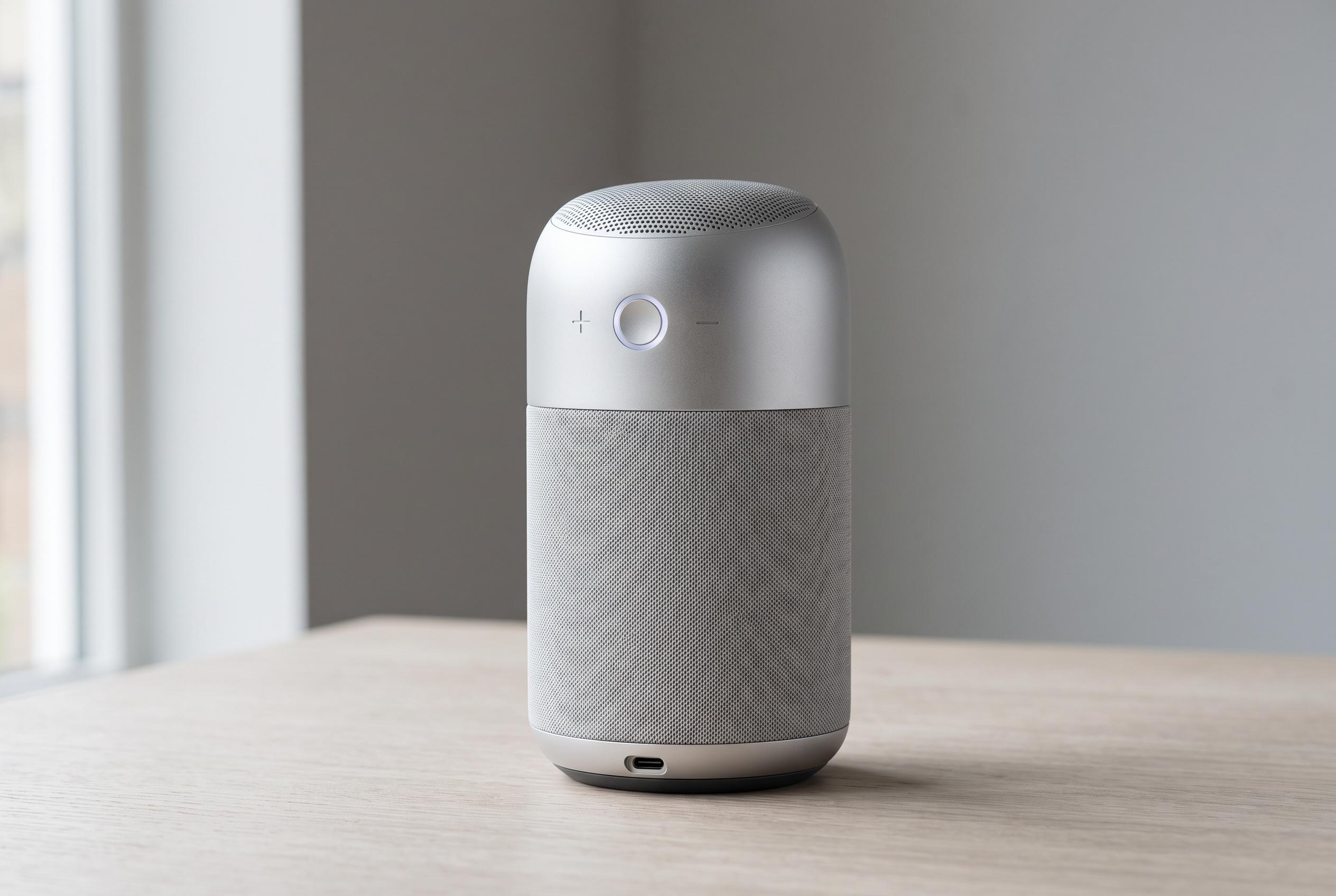

OpenAI is developing a high-end, battery-powered smart speaker expected to cost over $300, designed as a potential smartphone alternative with advanced AI capabilities and influenced by Jony Ive’s design ethos, despite legal disputes with Apple and commercial uncertainties.
OpenAI is preparing a premium smart speaker that could become its first major consumer hardware product, according to reporting by Bloomberg and other outlets. The device is being positioned as more than a connected home accessory: internally, it is being treated as a possible alternative to the smartphone, with pricing expected to start above $300 and possibly reach $400. That would place it well above most mainstream smart speakers and into a category usually reserved for higher-end home technology.
The design is said to reflect the influence of Jony Ive, the former Apple design chief who is now working with OpenAI through LoveFrom. Reports describe a compact, doughnut-like device roughly the size of a hockey puck, with a screen-free form and a battery-powered body that can be moved around the home. Unlike conventional speakers, it is expected to include animated or moving components that respond when the assistant is engaged, giving it a more reactive and less static appearance.
According to the leaked descriptions, the hardware would rely on OpenAI’s voice-first software, building on the ChatGPT voice experience but with more advanced models underneath. The device is also expected to act as a controller for smart-home products and to handle more complex tasks than reading out weather updates or setting timers. Some reports say it may include cameras, microphones and ambient sensors, allowing it to gather context about the room and the person speaking to it.
The timing of the launch is complicated by a separate legal fight with Apple. Apple has sued OpenAI, alleging misuse of confidential information and trade secrets connected to hardware development, including work involving former Apple employees. OpenAI has rejected those allegations and has moved to dismiss the case, arguing that Apple’s claims are unfounded. The dispute could slow development or complicate any launch plans, even if OpenAI concludes that the speaker does not infringe Apple’s patents.
There are also commercial risks. Amazon’s most advanced Echo devices, including models with displays or spatial audio features, generally sell well below the proposed OpenAI price range. That leaves OpenAI betting that buyers will pay a premium for a dedicated ChatGPT-powered device at a time when the company is still spending heavily and has yet to prove demand for expensive AI hardware. Some reports suggest the product could be unveiled this year, with a wider release not expected until 2027.
Disclaimer: This content is intended for informational purposes only. Readers are advised to exercise their own judgement, conduct due diligence, or consult a qualified expert before acting on any information provided.