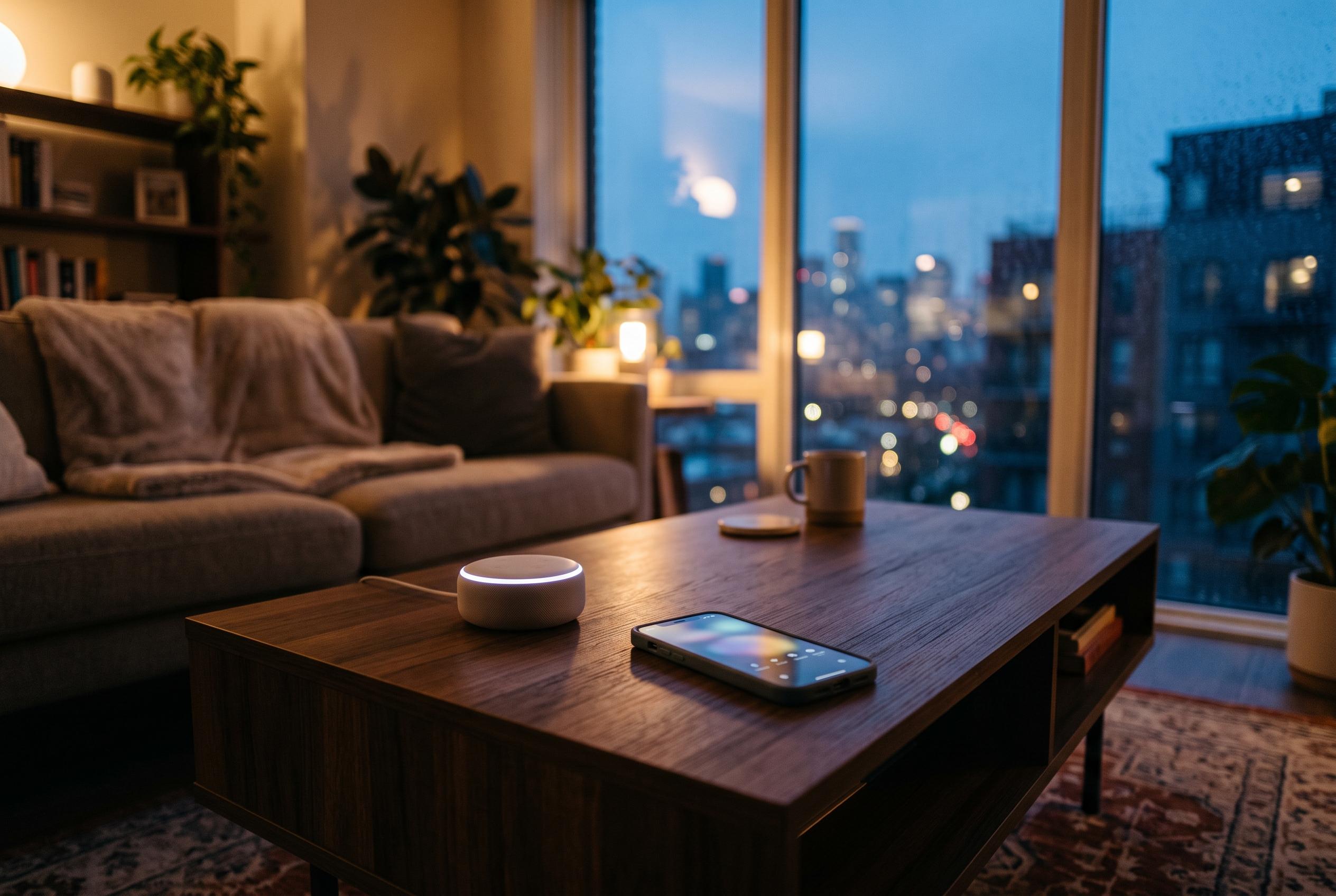

Samsung’s decision to charge for SmartThings API access highlights the hidden dependence of many smart home systems on cloud infrastructure, raising questions about ownership and control for consumers and developers alike.
Samsung’s decision to begin charging for access to the SmartThings API in October is a reminder that many smart home setups depend less on local control than they appear to. According to the lead article, the new personal plan will cost $4.99 a month for non-commercial use, while the SmartThings app itself remains free for ordinary consumers. That distinction matters: the fee applies to programmatic access used by third-party platforms and custom automations, not to Samsung’s own app. The practical effect is that some users who thought they owned a fully local system may in fact have been relying on Samsung’s cloud infrastructure all along.
The Home Assistant project’s own integration model helps explain why. Its documentation distinguishes between local and cloud-based connections, with labels such as Local Push and Local Polling indicating traffic stays inside the home, while Cloud Push and Cloud Polling mean commands leave the house and pass through an external service. The lead article says SmartThings is marked Cloud Push, which means a tap in a dashboard may travel to Samsung’s servers before reaching a lamp or sensor. In that sense, the fee is not for the device itself but for the cloud relay that makes the integration work.
Samsung’s documentation also suggests the company has tightened access over time. The lead article notes that personal access tokens created before 30 December 2024 could last up to 50 years, while tokens created afterwards are valid for only 24 hours. That change effectively forces more frequent re-authorisation or a shift towards OAuth-based flows, which raises the maintenance burden for hobbyists and independent developers. The broader message is that the route into a smart home can change without the hardware changing at all.
For buyers trying to avoid that dependence, the Home Assistant integration directory offers a simple check: search for the product or platform and read the IoT class on the integration page. If the class is local, commands should stay on the home network; if it is cloud-based, they will not. The lead article argues that Zigbee and Z-Wave are the cleaner alternatives for people who want to keep control in-house, because they can run through a local coordinator rather than a vendor’s servers. That approach does carry migration work, though, because existing devices generally need to be reset and paired again.
The change is especially awkward for households already tied to Samsung appliances. The lead article says Samsung’s Matter-capable products still cannot be commissioned directly into Home Assistant, leaving SmartThings as the controlling layer. It also points to community workarounds, including a LocalThings integration for newer appliances, although that still cannot stop the devices from maintaining their own Samsung connections at the firmware level. In that context, the new fee is less a sudden surprise than the latest sign that cloud-linked products can change terms after purchase, even when the hardware sits in the home.
Disclaimer: This content is intended for informational purposes only. Readers are advised to exercise their own judgement, conduct due diligence, or consult a qualified expert before acting on any information provided.