
Shelly Group expands its smart home ecosystem with the launch of Shelly Camera, an indoor device designed to integrate seamlessly with existing systems and offer advanced features like AI object recognition and flexible storage options.
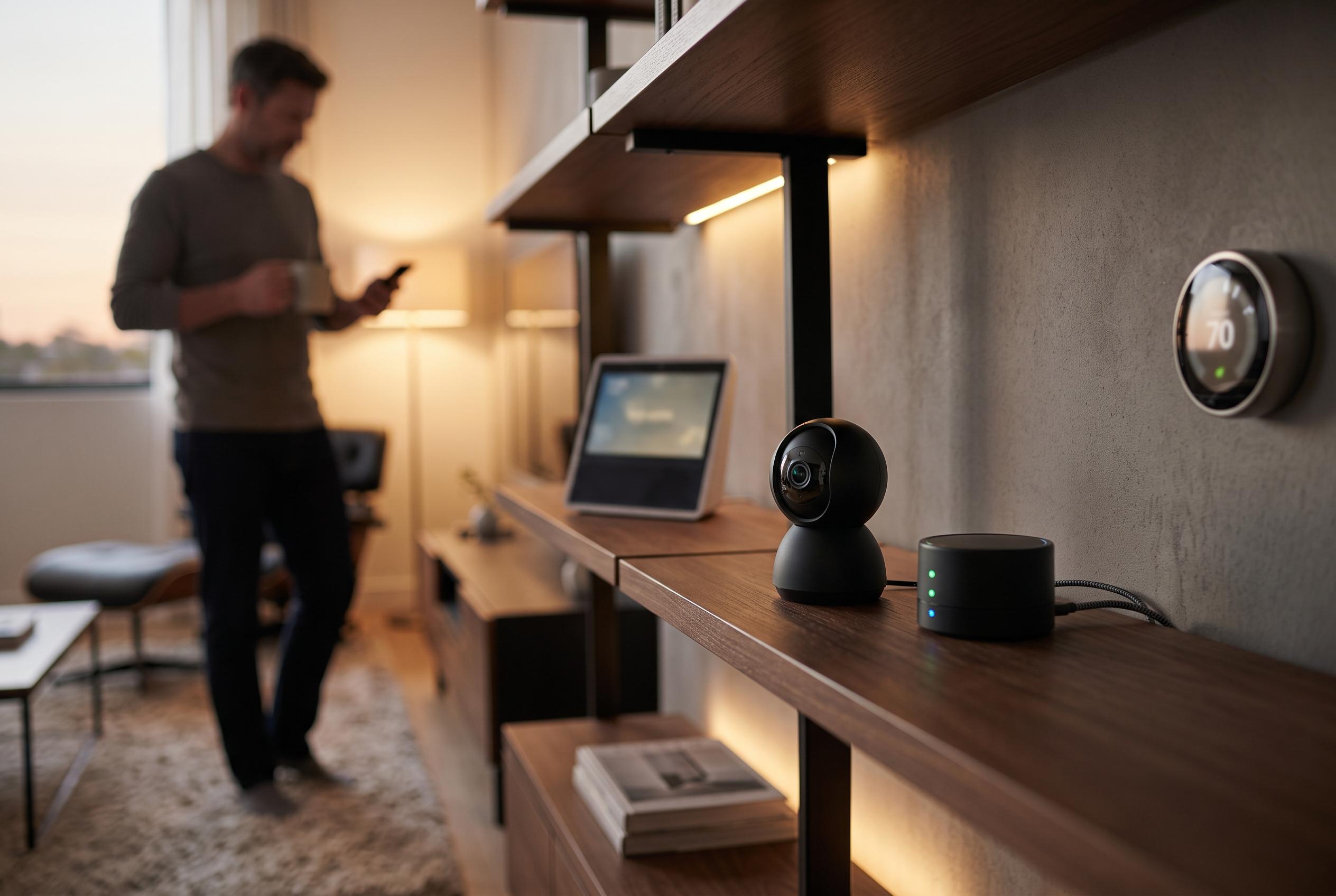
Shelly Group has moved further into video monitoring with Shelly Camera, a compact indoor device intended to sit inside its wider home and building automation system rather than operate as a standalone security product. According to Shelly’s announcement and product pages, the camera is aimed at homes, flats, offices and smaller commercial sites, where it can work with other Shelly devices to trigger automated actions.
The camera records in Full HD 1080p and includes black-and-white night vision, motion detection and two-way audio. Shelly says the device supports dual-band Wi-Fi, Bluetooth-assisted setup and local control through a built-in web interface, while compatibility extends to Home Assistant, Amazon Alexa, Google Home, Samsung SmartThings and other smart-home platforms.
Storage is deliberately flexible. Shelly says users can rely on live viewing only, record locally to a microSD card or use cloud storage, with the cloud option also unlocking object recognition that can distinguish between people, pets and vehicles. The company also says motion detection can drive local automations without a subscription, while advanced users can connect local AI models to their own systems.
The broader context is Shelly’s established strategy of making existing electrical installations smarter rather than replacing them. The brand, which is part of Shelly Group, is best known for modules that sit behind switches or inside junction boxes, but it has increasingly expanded into finished devices such as sensors, plugs and now video monitoring. Shelly says the camera ships in black or white, includes a two-year warranty and comes with three months of Shelly Cloud access.
Disclaimer: This content is intended for informational purposes only. Readers are advised to exercise their own judgement, conduct due diligence, or consult a qualified expert before acting on any information provided.