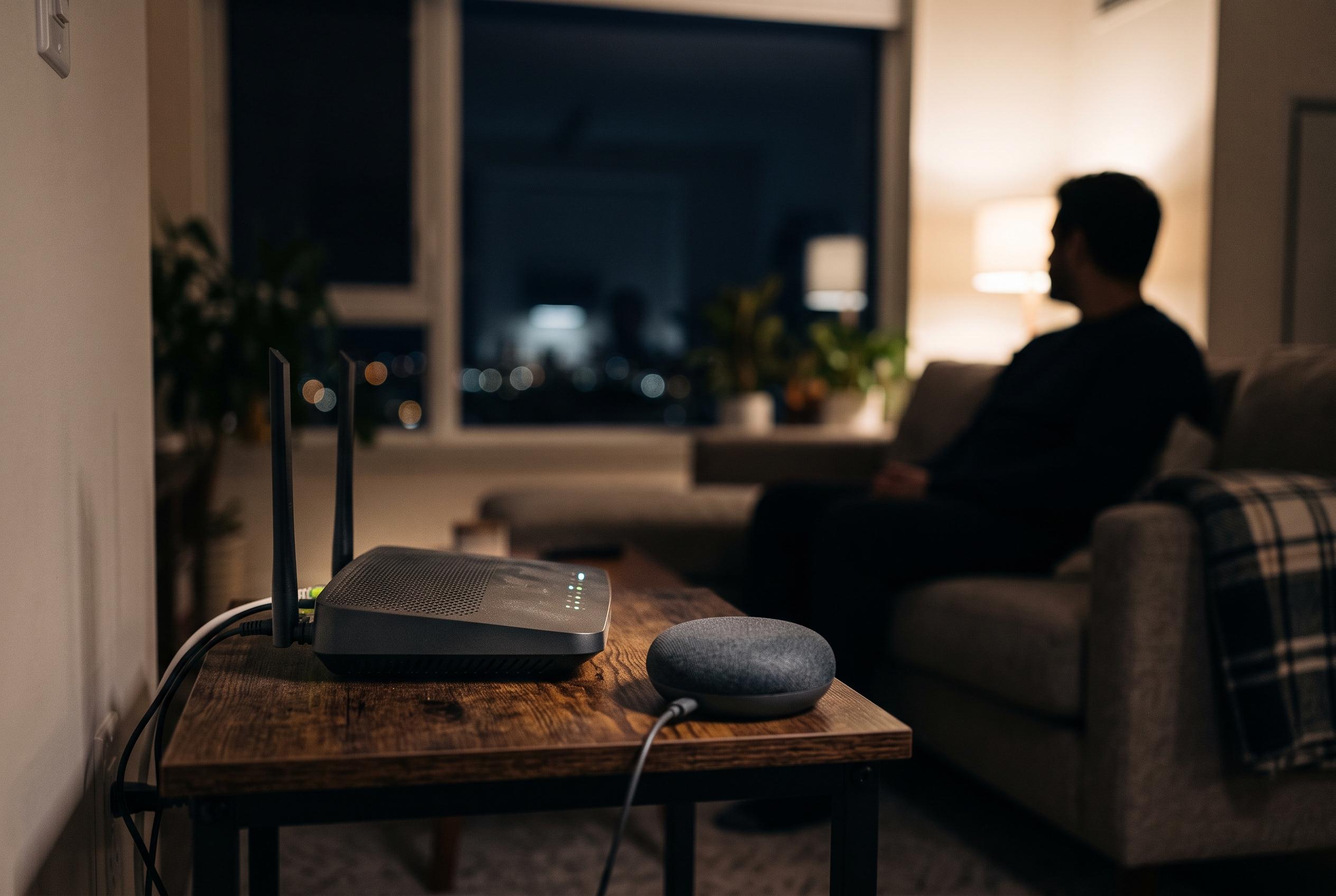

Deciding whether to switch off your Wi-Fi router at night hinges on usage patterns, energy considerations, and hardware health, with recent studies challenging common assumptions about its safety and benefits.
Whether a Wi-Fi router should be switched off overnight depends less on habit than on how the home network is used. La Nación, republished by El Comercio, says the device often stays on around the clock because phones, televisions, computers and other equipment rely on it even when no one appears to be online. The main argument for turning it off is practical rather than dramatic: if nothing in the home needs internet access at night, there may be some energy saving, and the network will not be available to anyone trying to connect wirelessly during that period.
That said, the likely financial benefit is modest. Several technology explainers, including Novyny Live, PC Guide, CHIP and Guía Alfa, note that modern routers are built for continuous operation and usually draw relatively little power. Their coverage suggests that shutting a router down every night may trim electricity use, but the savings are generally small and depend on the model, its wattage and the number of hours it is switched off. Those same sources also caution that frequent power cycling is not necessarily ideal for the hardware, because repeated shut-downs and restarts can add unnecessary wear.
There are, however, cases in which switching the router off makes clear sense. La Nación says it can be useful during travel or long absences, provided the property does not depend on internet-connected alarms, cameras, sensors or similar devices. It also points out that rebooting a router from time to time may help with some connectivity problems, although that is not a substitute for checking the configuration or contacting the provider when faults keep recurring. Other technology guides add that overnight outages can sometimes be linked to scheduled maintenance, congestion, interference or ventilation issues, all of which should be checked before concluding that the router itself is the problem.
On safety and health, the guidance is more reassuring. La Nación says there is no evidence that turning Wi-Fi off at night is needed for health reasons, because domestic wireless networks use non-ionising radiofrequency signals and operate within exposure limits set for the public. The other technology pieces agree that fears about radiation from routers are overstated, while also stressing a more basic point: a well-placed, well-ventilated router is more important than whether it is switched off each evening. In practice, the decision is usually about convenience, connected devices and a small amount of electricity rather than any major security or health advantage.
Disclaimer: This content is intended for informational purposes only. Readers are advised to exercise their own judgement, conduct due diligence, or consult a qualified expert before acting on any information provided.