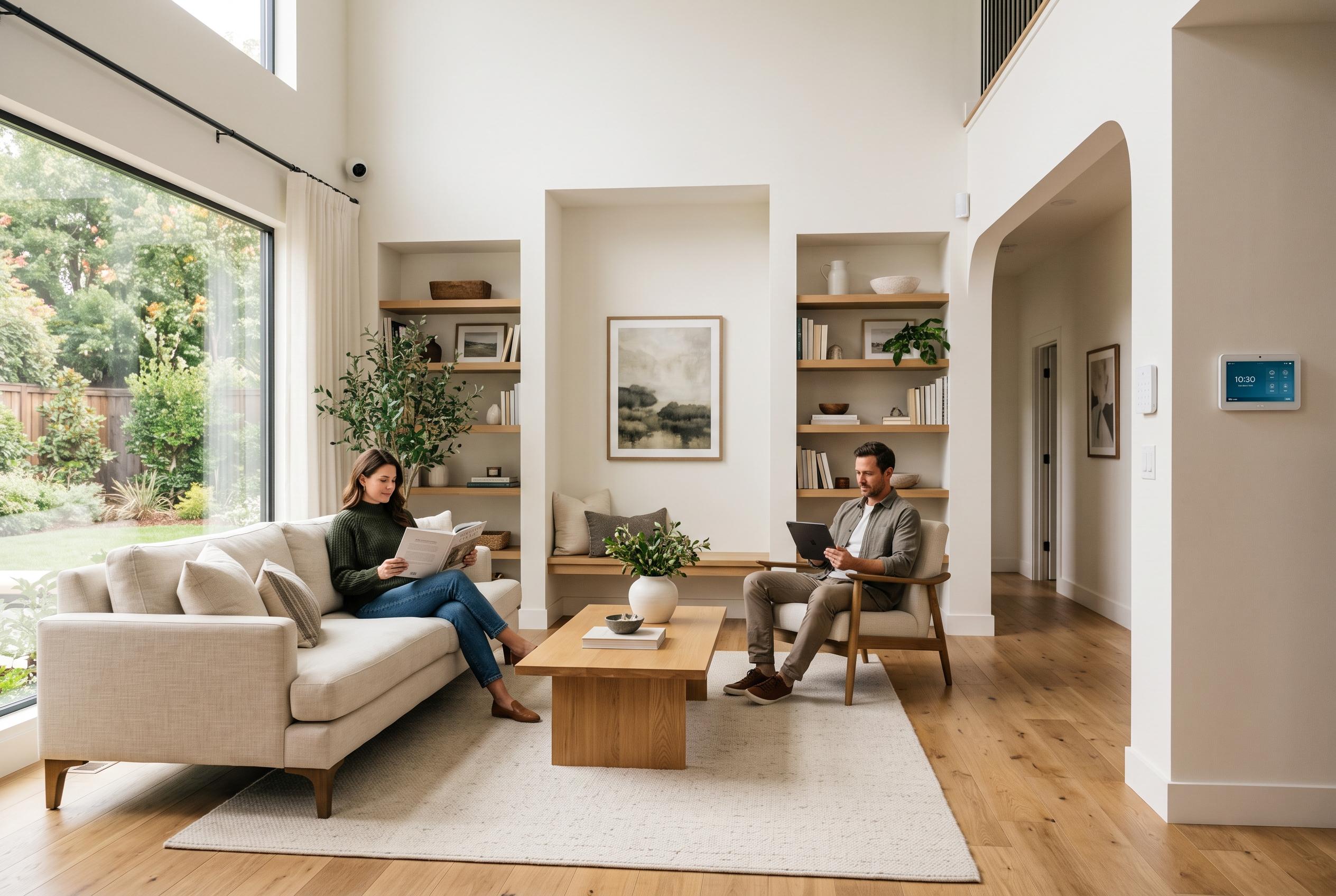

As the home security market diversifies, experts emphasise the importance of customised systems and proper installation over high-end specifications. Protecting your home effectively depends on selecting the right architecture and considering future upgrades, rather than just chasing the latest features or costly hardware.
Advertising for home burglar alarms often leads with a long list of functions: mobile alerts, internet access, SIM backup, a wide range of sensors, dedicated apps and other features. But the real question for many buyers is simpler. Do they want the fastest possible alert on a phone, the greatest resilience during a power cut, or a system that can be expanded later with CCTV, smoke detection or smart-home equipment? Zoomit argues that these priorities matter more than a glossy specification sheet.
That point matters because the security market has expanded quickly, which has widened choice but made buying decisions harder. The common assumption is that a higher price automatically means better protection. In practice, that is not always true. A costly control panel with too few sensors, or a poor installation, can leave weak points untouched. A more modest system, designed properly and fitted with care, may offer better real-world security because protection depends on how the parts work together, not on the price of any single component.
Industry commentary supports that view. Cognitive Systems says home security is increasingly becoming software-defined, with intelligence and adaptability now central to how modern systems create value. CEPro has also noted that homeowners increasingly expect security to sit inside a broader smart-home ecosystem, rather than operate as a separate product. That shift explains why the installation plan, sensor placement and room for future upgrades can matter as much as the alarm itself. Video analytics is part of the same trend: Fluent Home says camera analysis can help reduce false alerts and improve response times, but only if cameras are positioned and calibrated correctly.
For buyers, the most useful step is often not comparing brands first, but identifying the right architecture for the house, the likely risks and the budget available for proper design and installation. Zoomit points readers towards a practical guide on choosing a home alarm system, while other industry voices increasingly frame security as a complete solution rather than a single device. The wider lesson is clear: informed purchasing, supported by reliable technical guidance, can be as important to home protection as the hardware itself.
Disclaimer: This content is intended for informational purposes only. Readers are advised to exercise their own judgement, conduct due diligence, or consult a qualified expert before acting on any information provided.