
As Wi-Fi smart plugs become more popular, the latest models from Kasa and Minoston stand out by prioritising user convenience and outdoor durability, offering versatile options for indoor and outdoor household automation.
Wi-Fi smart plugs have become one of the simplest ways to add remote control and basic automation to household devices, but the best choice still depends on how and where it will be used. The Kasa Smart Plug HS103P4 is repeatedly positioned as the strongest all-round option because it combines a compact body with straightforward setup, dependable app control and broad voice-assistant support. Reviews from multiple outlets note that it works with Alexa and Google Assistant, and some also say it integrates with SmartThings without needing a hub, which makes it a practical entry point for people building a connected home.
Its appeal is largely in its restraint. Rather than chasing advanced software features, the Kasa model focuses on the functions most people use: schedules, timers, away mode and basic remote switching. Reviewers say the plug’s small footprint helps it avoid blocking adjacent sockets, which matters in crowded outlets and power strips. The main limitation is the lack of energy monitoring, so buyers looking to track consumption in detail will need to move up to a more feature-rich model.
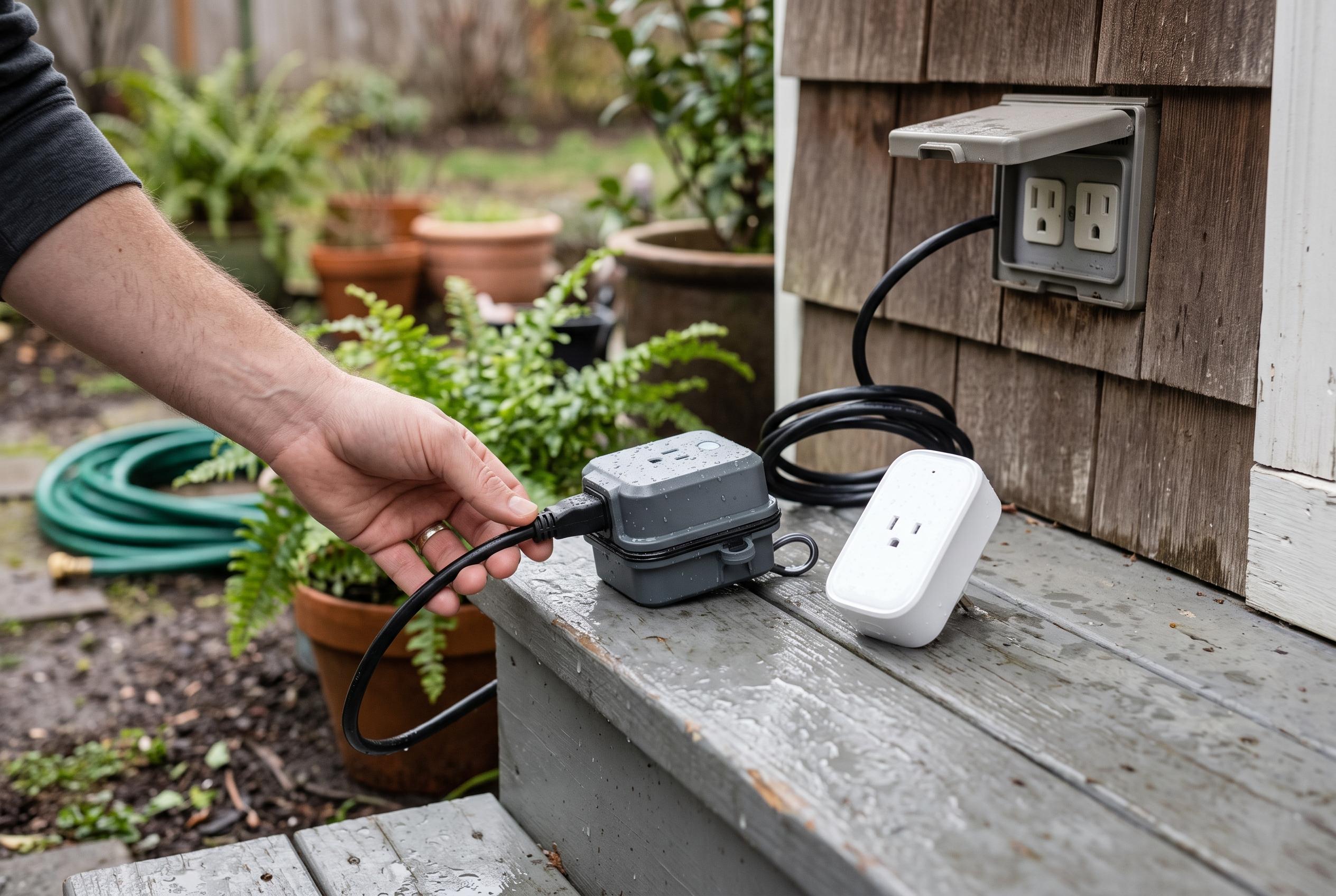
For outdoor use, the Minoston Outdoor Smart Plug stands apart because its design is built around weather resistance rather than indoor convenience. Minoston says the plug carries an IP65 waterproof rating, supports 2.4GHz Wi-Fi and is rated for a maximum load of 15A, or 1,875W. That combination makes it suitable for garden lighting, seasonal displays and similar equipment, provided the load stays within specification and the temperature range matches local conditions.
The wider buying question is less about finding the most polished app and more about matching the plug to the job. The guide’s own selection criteria place weight on ecosystem compatibility, weatherproofing, power handling and physical size, because these are the factors most likely to affect day-to-day use. In practice, that means shoppers should check whether they need Alexa, Google Assistant or Apple Home support, whether the plug will sit indoors or outdoors, and whether a compact design matters more than extra functions such as energy tracking.
For most households, the sensible approach is to treat smart plugs as task-specific accessories rather than universal upgrades. A low-cost indoor model is usually enough for lamps, fans and small appliances, while an outdoor-rated unit is better for anything exposed to rain or cold. Buyers who want straightforward setup and broad compatibility will likely find the Kasa plug the easiest recommendation to follow, while those who need weather protection should look more closely at Minoston’s outdoor offering.
Disclaimer: This content is intended for informational purposes only. Readers are advised to exercise their own judgement, conduct due diligence, or consult a qualified expert before acting on any information provided.