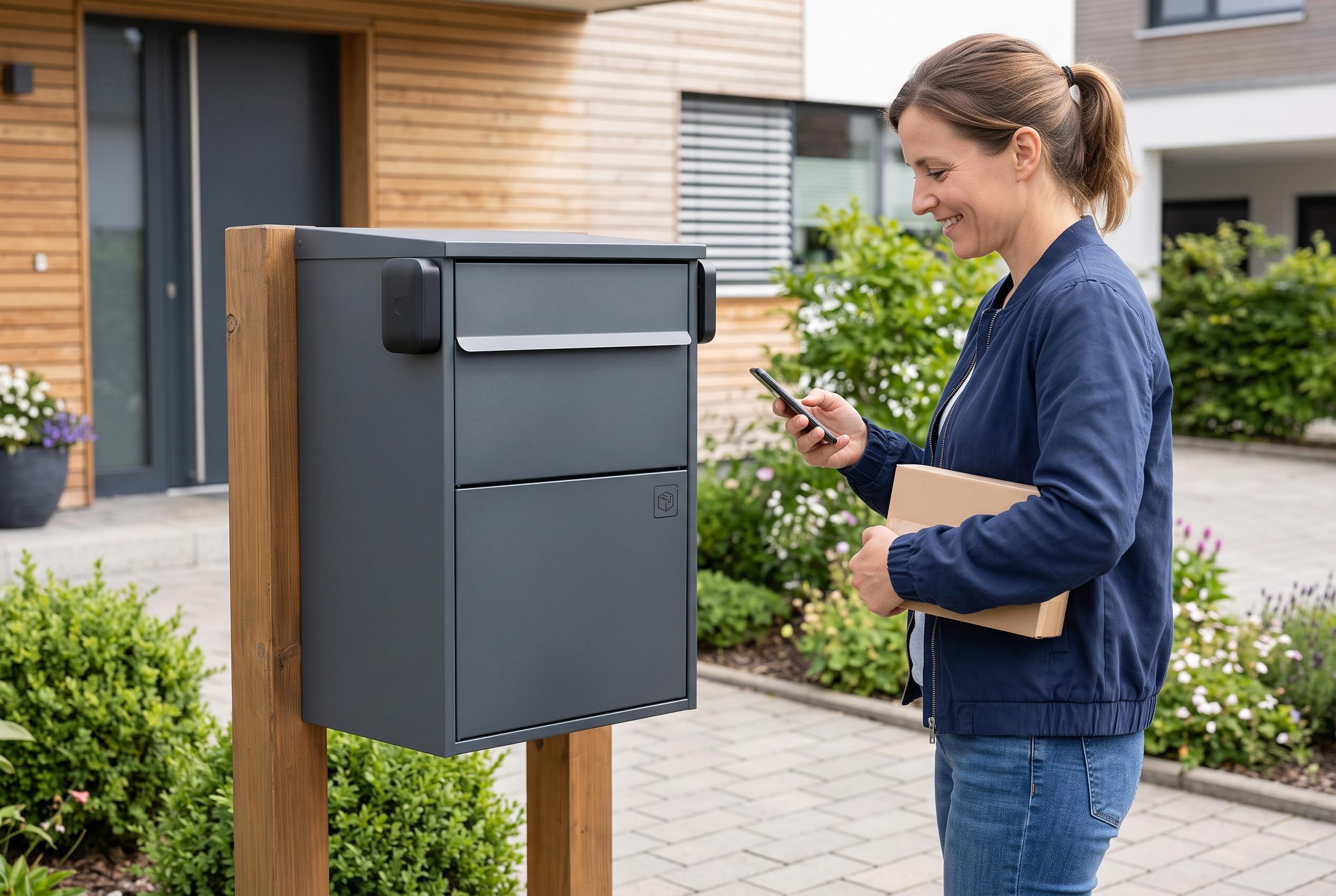

A modest upgrade using inexpensive contact sensors can redefine the daily routine of checking the mailbox, offering practical benefits such as parcel alerts and increased convenience, especially for older users.
A smart mailbox may sound unnecessary until it removes a small but persistent irritation from daily life: the uncertainty of whether the post has arrived. In a recent How-To Geek account, a homeowner described turning a standard mailbox into a connected device with a simple contact sensor, then using the alerts to end the habit of repeatedly checking outside. The idea is modest, but it fits a wider pattern in home automation, where inexpensive sensors often deliver more practical value than flashy purpose-built gadgets.
The setup relies on a basic door-and-window sensor rather than a dedicated smart mailbox, which the article notes is not really available in a mature form. That approach is technically straightforward. Meross’ MS200 sensor, for example, is designed for open-and-close detection and works with common smart home platforms, including Apple HomeKit, Alexa, SmartThings and Home Assistant, according to reviews and product round-ups from AndroidGuys, Smart Home Compared and Home Tech Hacker. The same category of device can trigger alerts or automate other actions when a door or window changes state.
The main challenge is less about the sensor than about the mailbox itself. Mailboxes are awkward for standard contact sensors because the door shape and closing motion often differ from a normal interior door. In the How-To Geek example, the sensor had to be mounted in an improvised position to ensure the two pieces aligned when the flap shut. That sort of adjustment matters because these sensors depend on consistent magnetic contact to register a secure open or closed state.
Connectivity is another practical issue. The article points out that a sensor installed outdoors still depends on a reliable signal path, and in this case both Wi-Fi coverage and the link to the home hub had to reach the mailbox from indoors. That is consistent with how many smart sensors are meant to work: the sensor itself is low-power and simple, but the hub or bridge that connects it to a wider system may need mains power and stable placement inside the home. The Meross manual also underlines the ordinary setup and battery-replacement cycle that comes with this class of device.
What makes the concept appealing is not novelty but convenience. A mailbox sensor can tell a homeowner when the post arrives, confirm when a parcel has been delivered or reduce the need to listen for the mail van and wonder whether the sound came from the street or the property. The How-To Geek writer also argued that the same notification benefit could be especially useful for older users who find repeated trips to the mailbox less convenient. In that sense, the device is less a gadget than a small access improvement, using a low-cost sensor to replace a daily guess with a clear signal.
Disclaimer: This content is intended for informational purposes only. Readers are advised to exercise their own judgement, conduct due diligence, or consult a qualified expert before acting on any information provided.