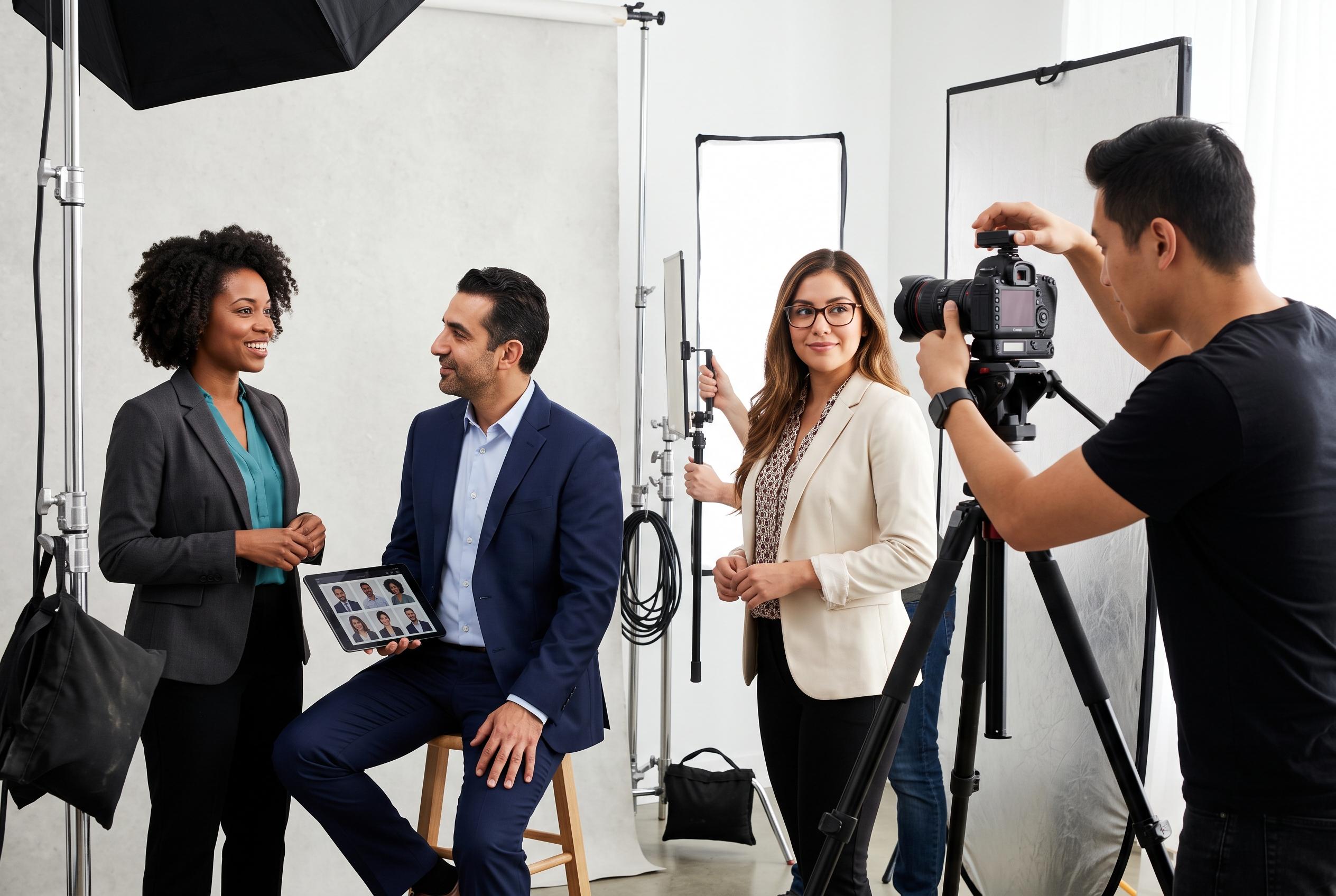

AI headshot applications have improved rapidly, providing a cost-effective alternative for quick, volume portrait needs. However, concerns over authenticity and accuracy persist for high-stakes branding and professional contexts, highlighting the ongoing relevance of traditional photography.
AI headshot apps have become good enough to make the old argument less obvious than it once was. For a relatively small fee, services such as Aragon and Secta can turn a handful of selfies into a large set of polished portraits in under an hour. Profile Bakery says AI headshots typically sit in the $15 to $50 range, while photographer-led sessions are often priced far higher, commonly from about $150 to $500. The appeal is clear: speed, volume and low cost make the software a practical option for anyone who needs a usable image quickly.
That does not mean the results are flawless. Reviews of AI headshot tools in 2026 keep pointing to the same weak spots: hands, ears, hair detail and the boundary between face and background. Match Production reported that one March 2026 comparison found 38% of viewers described AI portraits as “soulless”, a reaction that matters because professional images are judged not only for accuracy but also for trust. Even when the files look clean at first glance, the problems tend to emerge on closer inspection, especially on LinkedIn, company websites or in hiring contexts.
The basic difference between the two approaches is straightforward. AI produces a plausible version of a face based on the input it is given. A real session records an actual person in real light, with genuine expression and consistent physical detail. Remote Headshots and Capturely both note that this matters when likeness has to be reliable, particularly for profile pictures that colleagues, clients or recruiters will see repeatedly, including on video calls.
That leaves a fairly clear dividing line. If the need is temporary, the budget is tight and the stakes are low, AI headshots are now good enough for many people. If the image is tied to reputation, branding or any setting where accuracy and credibility matter, traditional photography still has the advantage. Tysons Headshots and Shotavix both argue that authenticity, privacy concerns and branding consistency remain stronger reasons to book a photographer, especially for executive portraits and team work. In practice, the best choice depends less on novelty than on what the photograph is expected to do.
Disclaimer: This content is intended for informational purposes only. Readers are advised to exercise their own judgement, conduct due diligence, or consult a qualified expert before acting on any information provided.