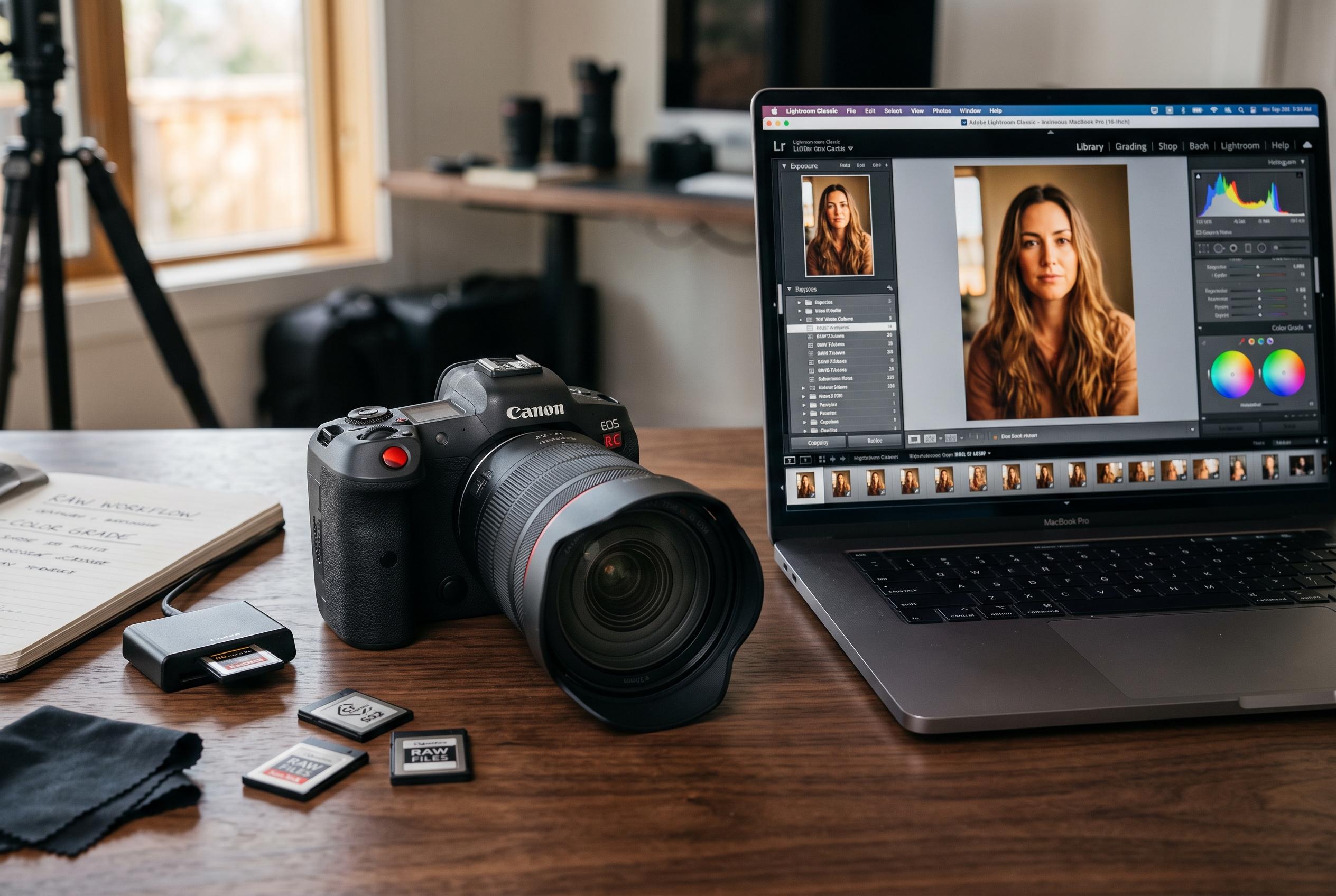

DxO PhotoLab 9 continues to divide photographers with its specialist approach, offering top-tier raw development tools and precise editing capabilities, but lacking features for elaborate montage work, appealing to those prioritising image fidelity over polish.
DxO PhotoLab 9 continues to divide photographers in the familiar way: some want a broad creative suite, others want a tool that focuses relentlessly on image quality. Reviews from Digital Camera World and Amateur Photographer describe it as one of the strongest RAW processors available, with especially effective lens corrections and noise reduction, but also as a programme that remains technical and less suited to bulk editing than some rivals. Its appeal is clear for users who value precision over polish.
That focus on quality is what gives the software its reputation. Digital Camera World says PhotoLab 9’s DeepPRIME XD3 denoising and proprietary optical profiles produce strong detail retention, even from older files and high-ISO images. SLR Lounge similarly notes that DxO has built the package around RAW development, local adjustments and workflow refinements rather than broad all-purpose editing. The result is a programme that is highly capable, but deliberately specialist.
The limits are just as important. PhotoLab still lacks layers, which means it does not replace more compositing-focused editors, and several reviewers say its photo management tools remain basic. Computer Bild says the software’s selective adjustments are fast and accurate, helped by U Point technology and AI masks, but the overall design is still geared towards controlled development rather than elaborate montage work. That makes it attractive to photographers who prefer disciplined processing to endless feature lists.
For many users, the strongest case for PhotoLab is how well it can be paired with DxO FilmPack. The combination extends the core editor with finishing tools such as borders, grain, film looks, light leaks and watermarks without forcing the user into a separate workflow. Digital Camera World says PhotoLab 9 has added more modern masking tools and export options, but the software still feels most persuasive when used as a complete RAW-to-finish environment rather than as a generalist editor.
That is the central trade-off. DxO PhotoLab 9 is not the cheapest option and not the easiest to learn, but multiple reviews say it rewards the effort with excellent output, strong non-destructive editing and a clear emphasis on image fidelity. For photographers who enjoy refining files rather than rebuilding them, that can be enough. The debate over whether it is better than Lightroom, Capture One or other rivals will continue. For users who want speed, control and a careful finish, it remains a serious contender.
Disclaimer: This content is intended for informational purposes only. Readers are advised to exercise their own judgement, conduct due diligence, or consult a qualified expert before acting on any information provided.