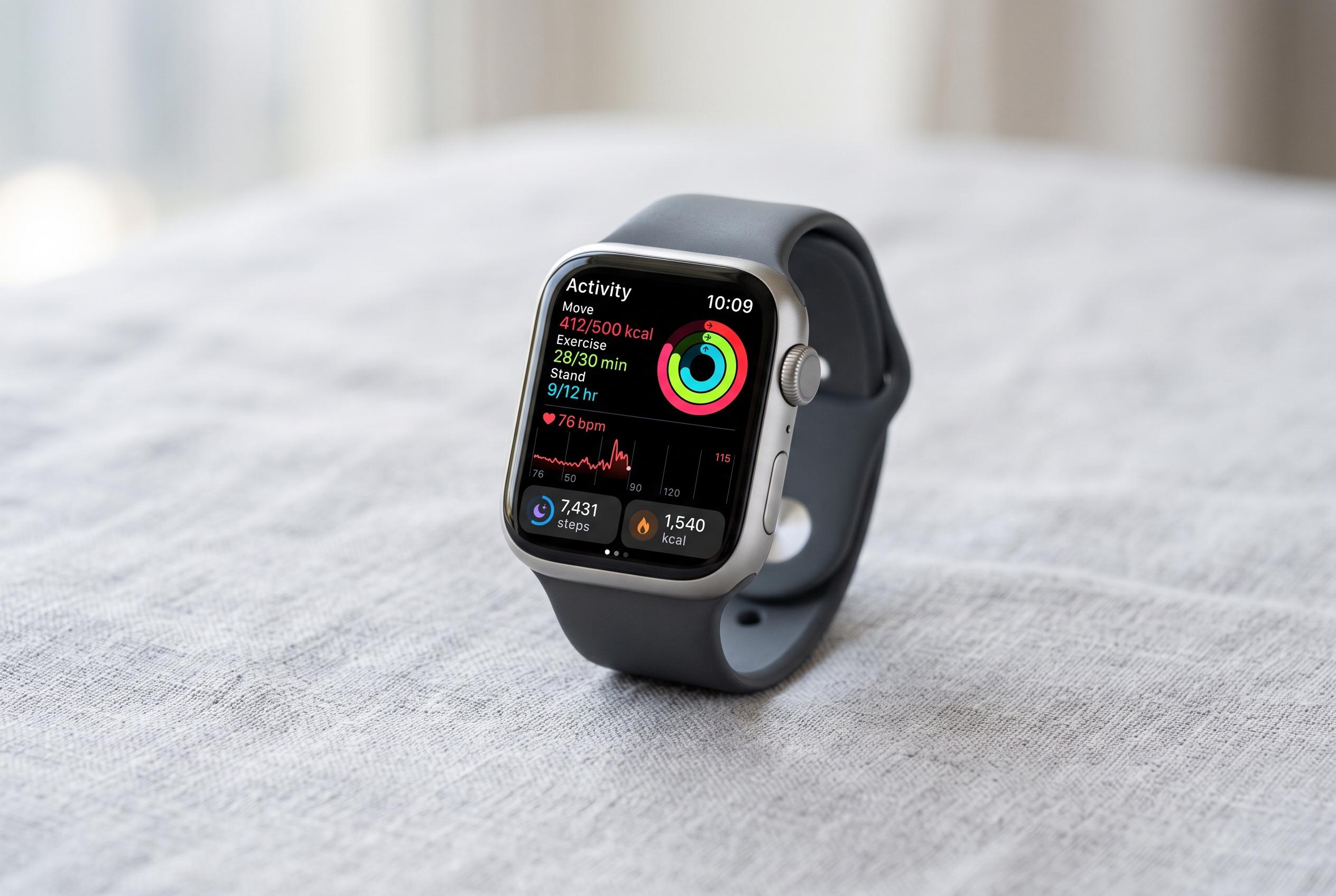

Two months into its rebranding from Fitbit, Google Health shows signs of progress but remains hampered by concerns over AI memory, accuracy, and user control, highlighting ongoing challenges in creating a seamless health ecosystem.
Google’s Fitbit-to-Google Health transition is improving, but it still feels unfinished. More than two months after the company replaced the Fitbit app with Google Health, Android Authority says the app is better than it was at launch, yet it remains caught between a conventional wellness dashboard and an AI-first companion. The change arrived alongside the $99 Fitbit Air, which Google positioned as a screenless tracker for its broader health ecosystem. Google has also pushed updates to address early bugs and add customisation, including the ability to rearrange pinned tiles.
A major part of Google’s pitch is that Health should do more than display raw metrics. The company has said the app is intended to unify data from Fitbit trackers, Pixel Watches and other services, while the new AI coach is meant to turn sleep, exercise and recovery data into readable guidance. Tom’s Guide reported that the coach can spot patterns across weeks of data, suggest workouts and explain which inputs are shaping its advice. That broader vision also matches Google’s own launch materials, which describe the app as a central hub for wellness data and a four-tab redesign built around easier tracking.
For some users, that approach is the app’s strongest selling point. Android Authority found the summaries useful because they reduce the need to interpret graphs and scores manually, while one example showed the coach comparing sleep quality on exercise days versus rest days. Tom’s Guide was similarly positive, saying the AI coach can quickly surface trends that would otherwise take time to uncover. That kind of pattern-finding is where Google appears to be trying to differentiate Health from more static dashboards such as Apple Health.
But the same AI layer is also the main source of concern. Android Authority said the coach appears to remember casual questions as if they were permanent habits, then keeps raising them in later conversations. The publication also said there is no clear way to audit what the system has stored or to tell it to forget specific information. That matters because the data involved is especially sensitive: fitness, sleep, supplements and other health details are precisely the kind of information users may want to segment or delete rather than leave in a long-term conversational memory.
There are also reliability questions. Android Authority reported occasional incorrect notifications that corrected themselves only after opening the app and forcing a refresh. It said similar complaints have surfaced on Reddit, suggesting the issue may not be isolated. The broader product strategy has also created some friction. Google is folding multiple services into one platform, and TechRepublic reported that the company plans to shut down Google Fit later this year as part of that consolidation. At the same time, TechRadar reported that Google has improved cross-platform syncing for iPhone users by letting data flow from Google Health into Apple Health, which should reduce fragmentation for people using more than one wearable ecosystem.
For now, Google Health looks more capable than it did at launch, but not yet fully resolved. It offers a cleaner way to understand personal health data and, according to Google and third-party reviews, a more ambitious coaching layer than the old Fitbit app. Yet the same system still raises questions about memory, accuracy and user control. That leaves Google with a product that is genuinely useful in parts, but not yet clear enough in purpose to feel complete.
Disclaimer: This content is intended for informational purposes only. Readers are advised to exercise their own judgement, conduct due diligence, or consult a qualified expert before acting on any information provided.